
Do Not Pack for the Whole Trip: Pack for the Next Six Hours
Use the Six-Hour Window to decide what you wear, what stays within reach and what remains sealed during Philippine ferry, bus, flight and hotel transfer days.
Do not make every item in your luggage available all day. Before a Philippine island transfer, look only at the next six hours. Dress for the first exposure, keep the next essentials within reach, seal one dry change, then leave everything meant for later inside the main bag.
This six-hour packing rule is the Six-Hour Window. It is a rolling system for days that move through a hotel lobby, tricycle, bus terminal, ferry cabin, sunny pier and another hotel before the room is ready. You are still packing for the whole holiday. You are simply deciding what the next part of it is allowed to touch.
The Six-Hour Window has four moves
| Move | What it means | Typical items |
|---|---|---|
| Wear | Dress for the first demanding part of the route | Breathable clothes, secure footwear, light layer if the cabin will be cold |
| Reach | Keep time-sensitive essentials where you can get them | Identification, ticket, wallet, phone, medicine, water and charging cable |
| Seal | Protect one recovery set from rain, spray and spills | Light top, underwear, small bottom and an empty pouch for wet clothes |
| Reset | Rebuild the window at the next secure stop | Refill, recharge, dry, discard rubbish and read the next leg |
The rule is about access, not an exact six-hour stopwatch. If a room becomes available after four hours, reset there. If the route ends at a remote beach after eight, pack for the full eight. The useful question is: What will happen before the next safe place where the main bag can open?

Pack the timeline, not the destination
“Bohol” is not a packing plan. Neither is “three nights in Siquijor.” Write the transfer as a short timeline:
| Time | Where you will be | Likely friction | What must stay reachable |
|---|---|---|---|
| 0 to 1 hour | Checkout and ride to terminal | Missing item, traffic, light rain | Documents, fare, phone, route |
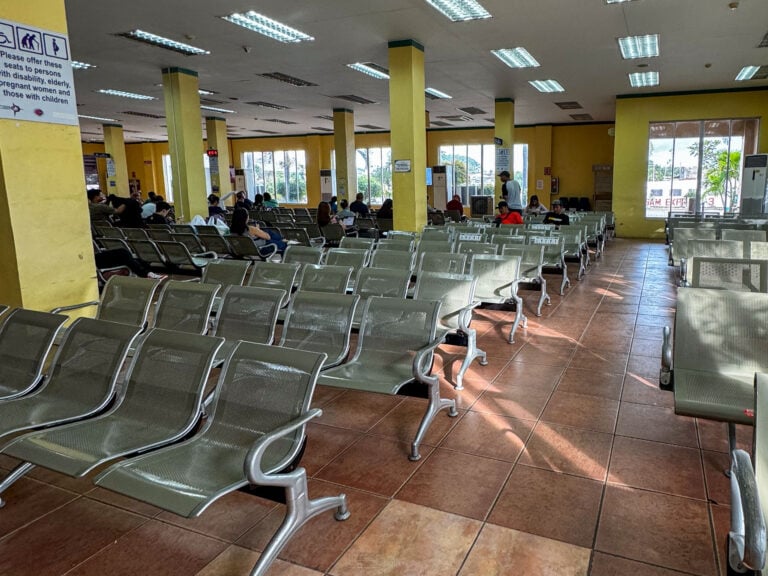
| 1 to 2 hours | Check-in and waiting area | Queue, security, limited seat | Ticket, ID, water, medicine |
| 2 to 4 hours | Flight, ferry, bus or van | Cold air, motion, stored luggage | Layer, personal medicine, snack, power |
| 4 to 6 hours | Arrival and hotel transfer | Heat, rain, wet road, room not ready | Address, cash, rain cover, dry change |
Now pack only for those conditions. The snorkel set for tomorrow, dinner clothes for tonight and backup shoes for the weekend do not need to be reachable at the ferry counter.
Philippine island transfers
Pack the next six hours
Pick a block.
Checkout and ride
0 to 1 hour
Friction: a missing item, traffic, light rain. Keep documents, fare, phone and the route reachable.
Check-in and wait
1 to 2 hours
Friction: queues, security, a limited seat. Keep the ticket, ID, water and medicine reachable.
Flight, ferry or van
2 to 4 hours
Friction: cold air, motion, luggage stowed away. Keep a layer, personal medicine, a snack and power reachable.
Arrival and transfer
4 to 6 hours
Friction: heat, rain, wet roads, a room not ready. Keep the address, cash, rain cover and the sealed dry change reachable.
At the next stop
Reset
Read the next six hours, pull used items, refill water and snack, charge phone and power bank, replace the dry change, confirm the next ticket and pickup.
Suroy.ph method, rechecked 1 November 2026.
Example 1: The early Cebu to Bohol ferry
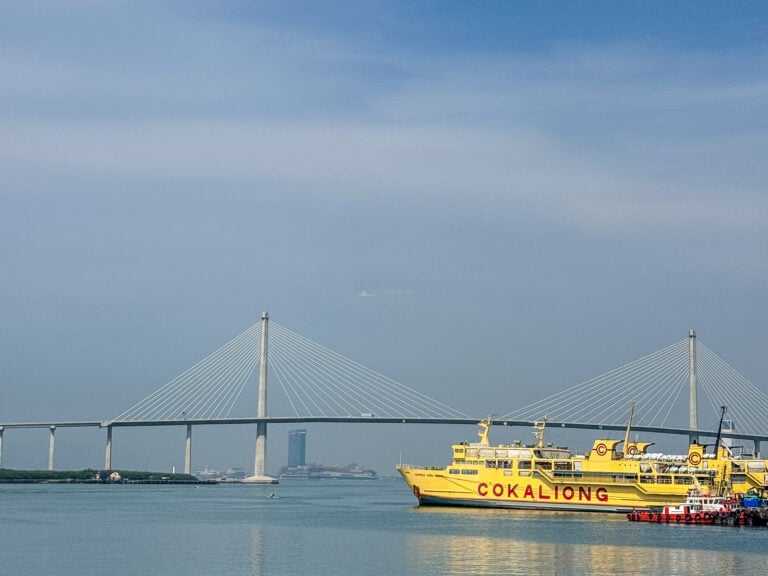
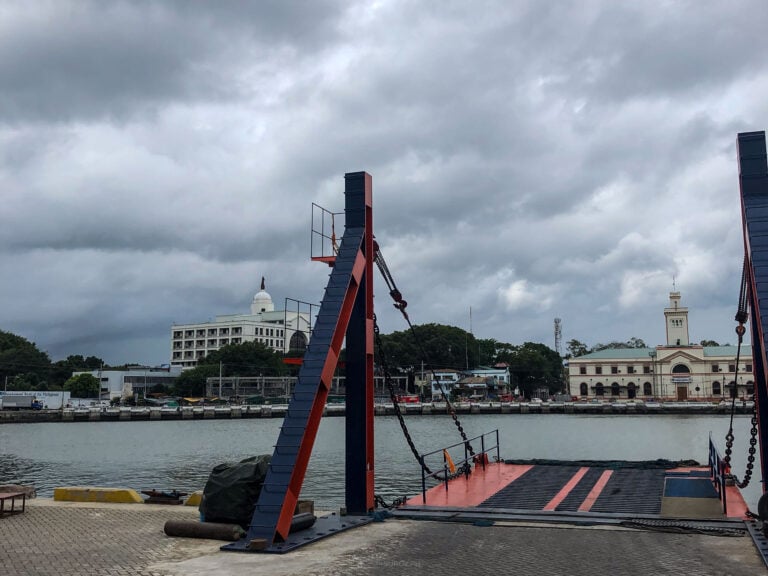
You may check out before breakfast, ride to Cebu Port, cross to Tagbilaran and continue to Panglao before the room is ready.
For that six-hour window:
- Wear light clothes and footwear that stays secure on wet steps.
- Keep the pier, vessel, ticket, identification and charged phone together.
- Carry medicine, water, a simple snack and a light layer if needed.
- Seal one dry change and an empty wet pouch.
- Leave later clothing, spare footwear and bulk toiletries in the main bag.
Read the Cebu Port passenger guide before leaving the hotel. A shipping line can use different berths or terminals, so the ticket decides the drop-off.

Example 2: A flight followed by an island transfer
A short flight can sit inside a long travel day. The window ends only after baggage claim, the ground transfer and the next check-in.
Keep identification, boarding documents, medicine, valuables and the arrival address in the cabin. Under current Civil Aviation Authority of the Philippines guidance, power banks belong in carry-on baggage, not checked baggage. Airline rules are stricter: since 17 April 2026 Philippine Airlines also keeps them out of the overhead bins and bans charging them in flight, and AirAsia tightened its own rules the same month. Check the operating carrier.
Suroy.ph’s guide to what you can bring on a plane in the Philippines covers current liquid, battery and cabin-bag rules. The Six-Hour Window does not override any security or airline limit. It helps choose which permitted items remain accessible.
Example 3: Bus and banca to Malapascua
Malapascua can require a long ride from Cebu City to Maya, a port wait, a passenger boat and another transfer. The main bag may be unreachable for several legs.
Wear secure footwear and keep sun and rain protection reachable. Carry the accommodation name, pickup instruction, cash for the next leg and any motion-sickness medicine you already use. Seal electronics and the dry change separately.
The Northern Cebu ferry guide explains the crucial route split: Hagnaya is for Bantayan, while Maya is the jump-off for Malapascua. That single decision belongs in the six-hour plan before the bus leaves Cebu.
Wear one honest outfit
Do not dress for the photograph you hope to take after check-in. Dress for the hardest ordinary part before it.
For a terminal queue, sunny port and wet boat steps, wear clothes that breathe and let you move with both hands available. Use secure footwear. Pack special clothing only when the activity falls inside the window.
If swimming happens within six hours, wear swimwear under light clothes or keep it reachable. If it happens tomorrow, leave it in the main bag.
Keep one dry recovery set, not a second wardrobe
One light top, underwear and the smallest practical bottom are enough for most transfer-day recovery. Seal them away from the item most likely to leak. Carry an empty pouch for a wet shirt, towel or swimwear.
The dry set is not a costume change. It is insurance against heavy rain, sea spray, a spilled drink or a longer wait before check-in. Once it is used, reset it at the next room. Do not keep adding clothes until the reachable bag becomes another suitcase.
The Two-Bag Transfer System gives the main bag and transfer bag separate jobs. The Six-Hour Window is the selection rule inside that system. It tells you what earns space in the smaller bag today.
Pack medicine by time, not by trip length
Keep the medicine you may need during the window with you, plus a reasonable delay allowance based on your treatment instructions. Do not leave it under a bus, in checked luggage or away from your ferry seat. Keep labels or supporting documents when relevant. For cooling, special handling or precise timing, follow the prescriber, pharmacist and manufacturer.
Carry enough water and food for the next leg and likely wait. At an airport, follow security instructions, then refill or buy water after screening when available. Choose a snack that will not leak or make a shared cabin unpleasant.
Give every person a minimum window
Each adult should know where their identification, money, phone and essential medicine are. Shared chargers, weather protection and snacks need an assigned carrier before bags are loaded.
Keep a child’s comfort kit small: one familiar activity, water, snack, wipes and one change. An adult controls the documents and medicine. For older relatives, build the window around comfort and medication timing, not the group’s fastest walker.
Reset at the next secure stop
At the next secure repacking point:
- Read the next six hours from door to door.
- Remove used items and air wet clothing away from the clean set.
- Refill water, replace the snack and charge the phone and power bank.
- Replace the dry change and return later-day items to the main bag.
- Confirm the next ticket, terminal, weather check and pickup.
A reset should take minutes. If it becomes a full unpacking session, the system has collected too much.
Signs you are packing for the whole trip again
Remove anything meant only for tomorrow, already carried by somebody else or too bulky for a single use. If you would hand away the bag because it is tiring, or cannot reach the ticket without unpacking, the urgent contents are buried.
Six-Hour Window FAQ
What if the journey is longer than six hours?
Extend the window to the next realistic reset point. For an overnight ferry, delayed connection or all-day road journey, add the medicine, food, clothing and comfort items that the longer period genuinely requires.
Can the Six-Hour Window fit in one small bag?
Usually, but airline and operator limits still apply. Reduce duplicates and later-day items first. Never remove essential medicine, identification or required documents just to look minimal.
The next six hours decide the arrival
An island holiday can be ten days long, but travel friction arrives one handoff at a time. Pack for the hotel checkout, the terminal, the crossing and the first hour on the other side. Keep the later days sealed until they become the next six hours.
That is enough structure to move calmly and enough freedom to enjoy where the route leads. Padayon, keep going, but only carry what the next part asks from you.
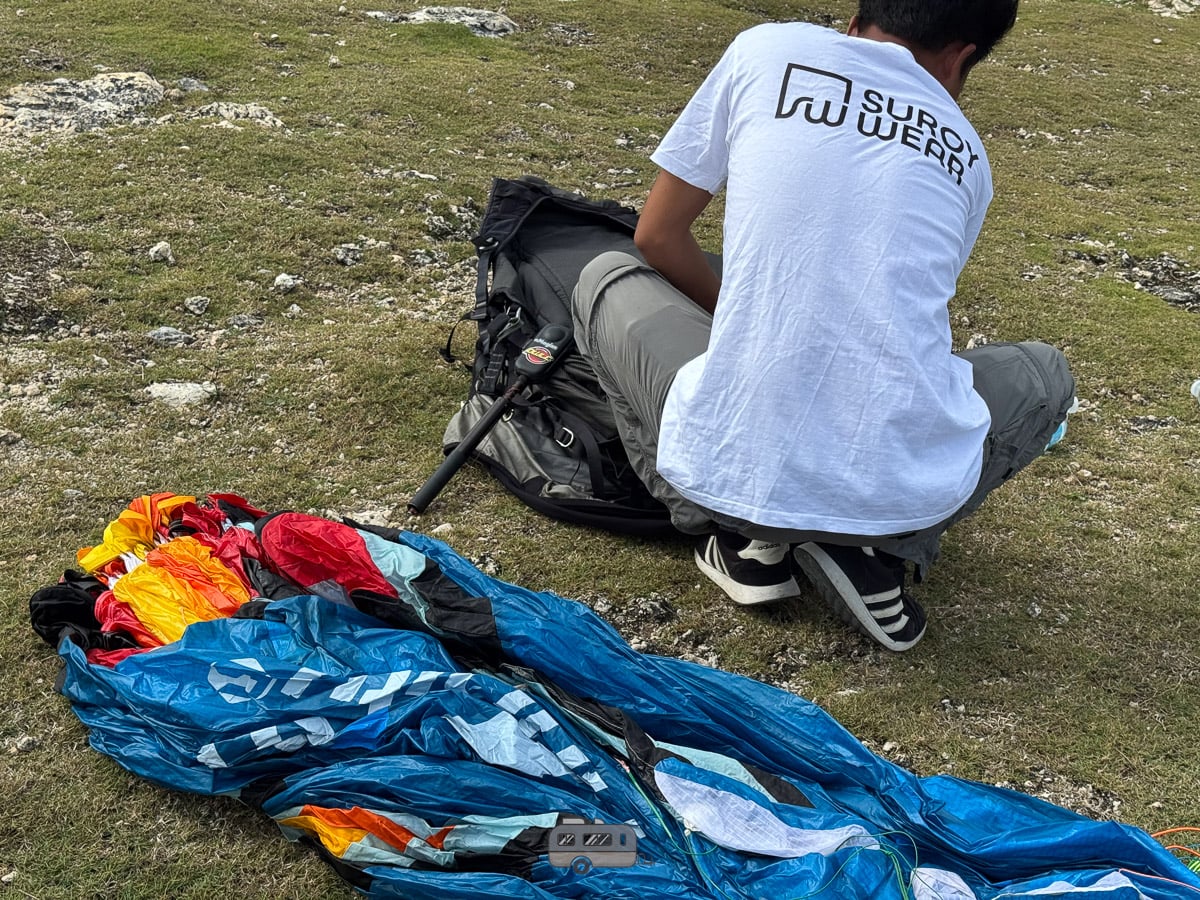
Suroy Wear · Statement Series

The next six hours decide the arrival.
For the day that moves through a lobby, a pier and a ferry cabin before the room is ready. Made in the Philippines. ₱999.
Wear the story