

Lake Sebu Travel Guide: Seven Falls, T’boli Culture and Lake Life
A practical Lake Sebu guide covering Seven Falls, lake cruises, T'boli cultural experiences, transport, food, weather, and a sensible two-day plan.
Lake Sebu is best understood slowly. Give it at least two days and one night: one day for the lake and T’boli cultural experiences, then an early start for the Seven Falls area. The reward is not a checklist of viewpoints. It is a clearer look at how water, food, craft, farming, and community life meet in the highlands of South Cotabato.
This Lake Sebu travel guide focuses on the decisions that shape a good trip: how to arrive without relying on an old timetable, what to confirm before visiting Seven Falls, how to approach T’boli culture respectfully, and why wet weather should change your pace rather than ruin the journey.
LAKE SEBU, SOUTH COTABATO · UPDATED AUGUST 26, 2026

Lake Sebu trip at a glance
| Best trip length | Two days and one night, with an extra night if you want more time for culture and community visits |
| Main experiences | Seven Falls, lake cruise, T’boli cultural learning, local food, lotus beds, and highland scenery |
| Nearest major gateway | General Santos City, followed by road travel through Koronadal and the Surallah area |
| What to confirm | Seven Falls access, zipline operation, current fees, boat arrangements, weather, and the last public transport departure |
| Pack | Rain layer, shoes with reliable grip, sun protection, drinking water, small bills, and a dry bag |
What makes Lake Sebu different
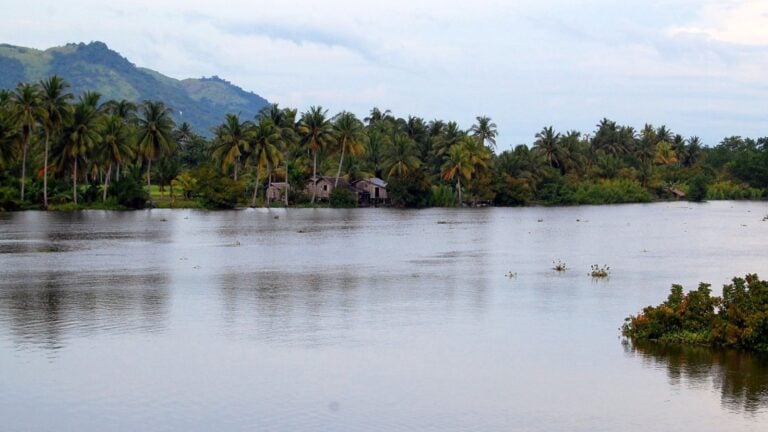
Lake Sebu is a municipality, a living cultural landscape, and the name of its largest lake. The setting is cooler than the lowlands, with water, wooded slopes, farms, fish pens, and small communities sharing the same view. Two nearby lakes, Lake Lahit and Lake Seloton, add to the wider landscape.
The T’boli people are central to Lake Sebu’s identity. T’nalak weaving, brass work, music, oral traditions, and contemporary community life are not decorative extras for a visitor itinerary. They are living practices. The most worthwhile visits create time to listen, ask permission, buy directly from makers when possible, and understand the person behind an object.
In July 2026, the provincial government announced that Lake Sebu had become the Philippines’ first community in the Food and Agriculture Organization’s Villages network. The recognition connects rural development, food systems, Indigenous culture, and tourism. It also gives travelers a useful reminder: the lake is a place where people live and work, not an outdoor set built for visitors.


Seven Falls: what to know before you go
Seven Falls is Lake Sebu’s best-known attraction. The landscape is a chain of waterfalls rather than seven identical viewing stops, and your experience depends on weather, maintenance, trail conditions, and which facilities are operating. Some falls are easier to see than others. Do not assume every viewpoint or activity is available simply because it appears in an older itinerary.
The provincial government began a carrying-capacity study for Seven Falls in 2026 to guide visitor management and long-term protection. That work is a good reason to arrive with flexibility. Confirm the day’s admission rules, access points, zipline operation, weather holds, and closing time with the Lake Sebu tourism office before leaving town.


If the zipline is open, listen to the full safety briefing and declare any health concern before gearing up. If it closes because of rain, wind, inspection, or maintenance, accept the decision. A closure is not an invitation to pressure staff or search for an unofficial workaround.


Boat rides, lotus beds, and life on the lake
A lake cruise gives the destination room to breathe. Depending on the operator and arrangement, the ride may pass fish pens, lotus beds, small islands, lakeside communities, and floating dining areas. Ask what is included, how long the trip lasts, whether life jackets are provided, and if the boat will wait for a meal or cultural presentation.
A 2026 South Cotabato tourism article used roughly ₱1,500 for a private lake cruise for up to 20 passengers and about ₱600 for a joiner arrangement as planning examples. Treat those figures as reference points, not fixed rates. Confirm the current price, capacity, route, and payment terms directly before boarding.
Wear the life jacket even on calm water. Keep phones and cameras secured, avoid leaning over lotus beds for a closer photo, and never throw food or waste into the lake. If you are traveling during a rainy spell, ask the boat operator how quickly conditions can change.

T’boli culture: visit with care
Lake Sebu is home to National Living Treasures whose work carries T’boli knowledge across generations. Provincial tourism programs currently highlight T’nalak master weavers Barbara Ofong and the late Lang Dulay, chanter Rosie Sula, and brass caster Bundos Fara. A community visit should leave room for the maker’s story, not just a quick portrait and purchase.
- Ask before taking photographs. Permission for a visit does not automatically include permission to photograph a person, home, ritual, or work in progress.
- Buy with context. Ask who made the piece, what material was used, and how the price supports the maker or community.
- Do not bargain aggressively. Handwoven textiles and handmade brass pieces represent time, skill, and cultural knowledge.
- Avoid costume language. Traditional clothing, music, and performance carry meaning beyond a visitor photo.
- Use recognized guides or hosts. Confirm community visits through the tourism office or an established local program.

What to eat in Lake Sebu
Tilapia is closely associated with Lake Sebu’s food scene and appears grilled, fried, cooked in coconut milk, and prepared in other local styles. Ask what was caught or sourced that day rather than ordering from a mental checklist. Lakeside meals can take time, especially for a group, so place the order before a cruise or agree on a serving time.
Also look for seasonal vegetables, native rice, and dishes prepared by community hosts. If you have allergies or dietary restrictions, explain them clearly before ordering. Local names and cooking methods may not map neatly to a familiar menu category.

How to get to Lake Sebu
From General Santos City
General Santos is the main air gateway for many travelers. The common public transport pattern is to reach the city, take a bus or van toward Koronadal or Surallah, then transfer for Lake Sebu. The exact terminal, connection, fare, and last departure can change. Confirm them with the dispatcher on the day of travel, and avoid planning a late arrival that depends on the final trip.
From Koronadal
The provincial government places Lake Sebu about 47 kilometers from Koronadal. Public transport commonly connects through Surallah, while a private vehicle or hired car gives more control over stops. Road time still depends on traffic, rain, and loading. Download an offline map, carry cash, and ask your accommodation for the clearest current landmark rather than relying only on a pin.

Where to stay
Lake-view resorts are convenient for boat rides and early scenery. Town accommodations may make transport and supplies easier. Community-based or School of Living Traditions stays can add cultural depth when arranged through a recognized host. Choose based on your itinerary, not just the widest lake view.
Before paying, confirm the exact room, private or shared bathroom, hot water, breakfast, road access, mobile signal, check-in time, cancellation terms, and whether a driver can reach the property after dark. Ask whether the quoted rate includes taxes and extra-person charges.

A practical two-day Lake Sebu itinerary
Day 1: lake and culture
- Arrive before lunch and settle into your accommodation.
- Arrange a lake cruise only after confirming weather, inclusions, capacity, and life jackets.
- Have a lakeside meal and allow enough time for cooking and service.
- Visit a recognized T’boli cultural center, weaving space, or artisan host with permission.
- Keep late afternoon open for the lake rather than forcing another distant stop.
Day 2: Seven Falls and departure
- Check rain and operating conditions before breakfast.
- Visit the Seven Falls area early, following the current access route and visitor controls.
- Take the zipline only if it is officially operating and conditions are suitable.
- Return to town for lunch, then collect luggage before the afternoon public transport window.
- If driving onward, leave enough daylight for highland roads and rain.
Responsible travel in Lake Sebu
- Ask before photographing people, homes, ceremonies, and craft demonstrations.
- Use official visitor areas and recognized local guides.
- Keep waste out of the lake and waterfalls.
- Do not fly a drone without checking local rules, community permission, and airspace restrictions.
- Buy crafts from identified makers or community-run outlets when possible.
- Accept closures and carrying-capacity limits as part of protecting the destination.
- Slow down on rural roads and give residents, animals, and motorcycles room.
Lake Sebu FAQ
How many days do you need in Lake Sebu?
Two days and one night is the practical minimum. Add another night if you want a slower cultural visit, more time around the lakes, or a buffer for rain.
Is the Seven Falls zipline always open?
No. Weather, wind, inspection, maintenance, and visitor-management decisions can affect operation. Confirm on the day of your visit.
Can you visit Lake Sebu without a private car?
Yes. Bus and van connections from General Santos, Koronadal, and Surallah are commonly used, but terminals, transfers, fares, and last trips should be confirmed locally on the same day.
What should you wear at Seven Falls?
Wear quick-drying clothes and shoes with reliable grip. Bring a rain layer and dry bag. Avoid smooth sandals on wet paths, and follow any site-specific footwear or safety instructions.
Who can confirm current Lake Sebu travel details?
The Department of Tourism lists the Municipal Government of Lake Sebu at (083) 236-1014 and 0966 476 1620. Ask specifically about Seven Falls access, current fees, zipline operation, boat arrangements, and local transport. Contact details can also change, so verify them through an official page if a number does not connect.
Planning note: This guide was checked on August 26, 2026. Rates, operating conditions, transport, and visitor rules can change. Confirm the details that affect your trip directly with the Lake Sebu tourism office and the operator you plan to use.