
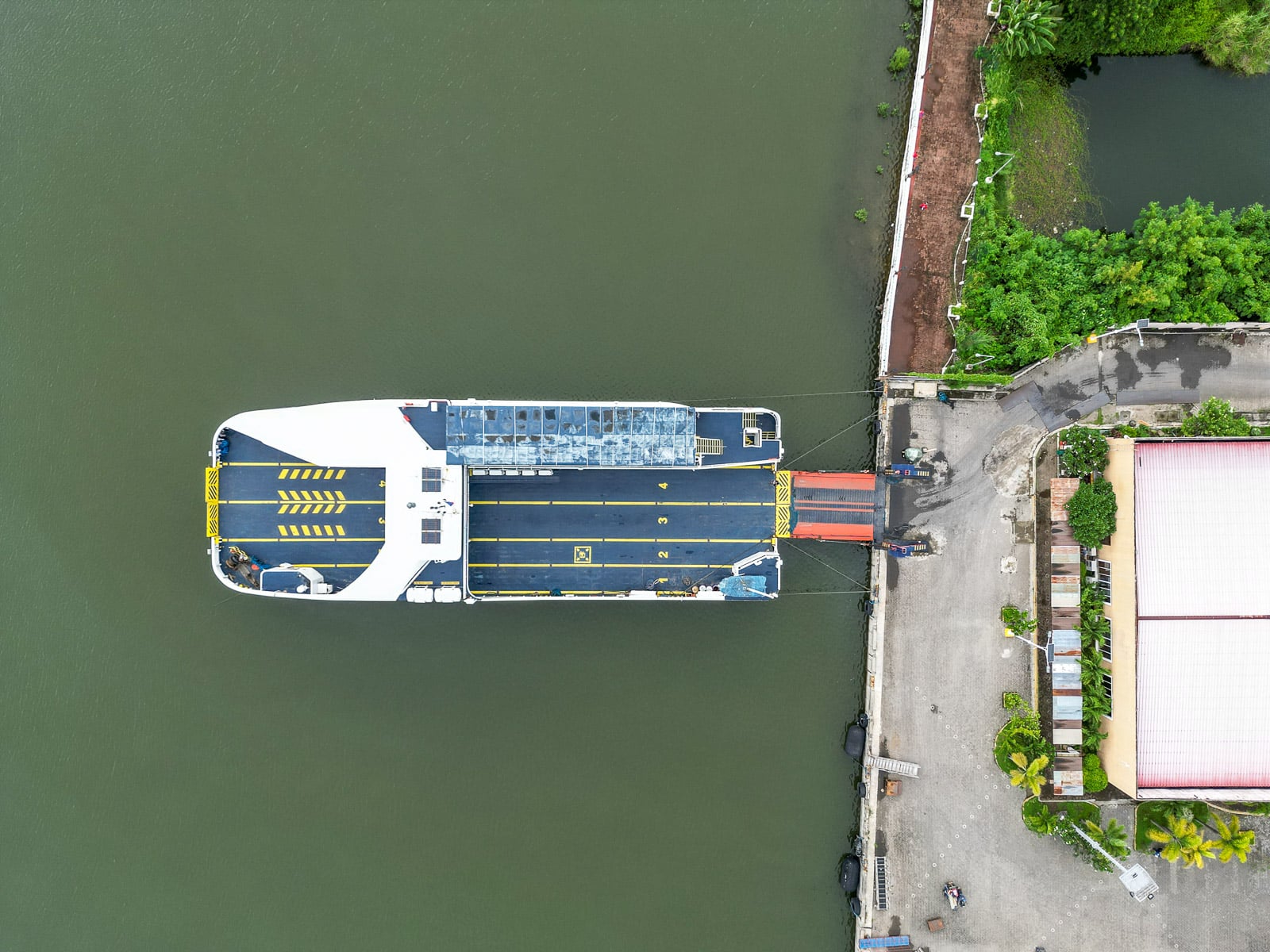

Stop Unpacking Your Whole Bag: The Two-Bag System for Philippine Island Trips
A practical two-bag system for ferry, bus, van and hotel transfer days. Keep documents, medicine, power, weather protection and one dry change within reach without unpacking the main bag.
On any Philippine trip with a ferry, van, bus, or hotel change, keep your main bag closed during the journey. Put only what you may need before the next room is ready into a smaller transfer bag: identification, tickets, wallet, phone, medicine, charger, rain layer, one dry change, and a sealed pouch for wet items. Your main bag carries everything else.
This two-bag transfer system stops you from opening a suitcase on a terminal floor, digging through clothes while boarding is called, or discovering that sea spray reached tomorrow’s outfit. The rule is simple. If an item is needed during the next travel leg, it belongs in the transfer bag. If it can wait until check-in, it stays in the main bag.
Why transfer days make bags feel harder than they are
A Philippine island route can put several small trips inside one day. You may check out before breakfast, ride a tricycle to a bus or van, cross by ferry, wait for another ride, and reach the next accommodation before the room is available. Rain, heat, crowded loading areas, and uneven walkways add friction.
The problem is not always too much luggage. It is poor access. Every time the main bag opens, small items can fall out, clean clothes can get wet, and the group has to stop while one person searches. The two-bag system gives every item a clear place and every bag a clear job.
Give each bag one job
| Bag | What it does | When it opens |
|---|---|---|
| Main bag | Holds clothes, spare footwear, bulk toiletries, souvenirs, and items for later days | At the accommodation or a secure repacking area |
| Transfer bag | Holds documents, medicine, valuables, power, water, weather protection, and one dry change | During the journey, while waiting, or before the next room is ready |
The transfer bag should stay with you. It can be a small backpack, crossbody bag, or compact day bag that is comfortable enough to carry through a terminal. A dry pouch inside it is useful around rain and boats. Do not assume every zippered bag is waterproof. Protect documents and electronics in their own sealed sleeves.
Build four small zones inside the transfer bag
- Document zone: identification, tickets, booking references, accommodation address, wallet, and a pen. Keep this closest to your body.
- Power zone: phone cable, charged power bank, and any small adapter needed during the day. Follow the current carrier rules when a flight is part of the route.
- Comfort zone: personal medicine, water, tissues, a light rain layer, and one snack that will not leak or crush easily.
- Wet and dry zone: one light change of clothes in a sealed pouch, plus an empty pouch for a wet shirt, towel, or swimwear.
These are access zones, not four new packing cubes to buy. Reuse pouches you already own. The goal is to know where an item is without emptying the bag.
Reset the system once, the night before
- Read the next day’s route from door to door, including every terminal, transfer, and waiting period.
- Lay out the clothes you will wear before closing the main bag.
- Move only the next leg’s essentials into the transfer bag.
- Charge the phone and power bank, then place the cable back in its assigned zone.
- Check that names on tickets match the identification you will carry.
- Close the main bag and leave it closed until the next secure room or repacking point.
A five-minute reset is easier than repeated searches at every stop. It also shows you early when something important is still drying, charging, or sitting in a hotel drawer.
Use the one dry change rule
You do not need a second wardrobe in the transfer bag. Pack one light top, underwear, and the smallest practical bottom for the route. This is enough to recover from heavy rain, sea spray, a spilled drink, or an unexpected wait after checkout. Keep the set sealed until it is needed.
Once something becomes wet, isolate it. Do not push a damp shirt into the main bag beside clean clothes. Use the empty pouch, air the item when possible, and wash or dry it properly at the next stop.
Use the system across three common transfer days
Ferry or banca transfer
Ask the crew where the main bag should be placed, especially on a smaller boat. Keep identification, medicine, phone, wallet, and dry clothing with you. Secure loose straps before boarding. If the main bag is tagged or stored away from your seat, photograph the tag and make the bag easy to recognize without relying on a loose ribbon.
Bus or van transfer
The main bag may go in a lower compartment, rear cargo area, or a space you cannot reach while moving. Remove valuables and medicine before loading it. Keep the transfer bag small enough for your lap or the assigned cabin space, and avoid opening the main bag during roadside stops.
Hotel change with a long gap
Checkout may come hours before the next check-in. If an accommodation agrees to store the main bag, ask how it will be identified and retrieved. Take documents, medicine, electronics, and other valuables with you. The transfer bag becomes your day kit, so you can eat, walk, or wait without dragging everything through town.
If the transfer bag is getting heavy
A heavy transfer bag usually means you are packing for the whole trip again. Remove backup clothing beyond the single dry change, full-size toiletries, duplicate footwear, and items meant only for the final destination. Water can be refilled when safe and available. Keep the bag light enough that it never needs to leave your control because carrying it became tiring.
Mistakes that break the system
- Putting all medicine in the main bag because it is not needed at that exact minute
- Leaving the only charging cable in luggage stored under a bus
- Packing the dry change without an empty pouch for wet clothing
- Letting one person carry every adult’s identification and money
- Adding souvenirs to the transfer bag until it becomes the main bag
- Opening both bags at every stop instead of doing one nightly reset
Two-bag travel FAQ
Does every traveler need two separate bags?
Not always. A couple or family may share a main bag, but each adult should know who holds the identification, medicine, phone, and emergency money needed for the next leg.
Does the transfer bag count as an airline personal item?
It may. Airline size, weight, and item limits are separate from this organizing method. Check the exact allowance on your booking before travel and adjust the two-bag system to fit it.
What should a child carry?
Give a child only a light comfort or activity bag. An adult should control the child’s documents, essential medicine, money, and anything that cannot be replaced during the journey.
Suroy note: Pack for the next six to twelve hours, not the whole holiday. Keep the main bag closed, keep the transfer bag close, and reset both at the next secure stop.