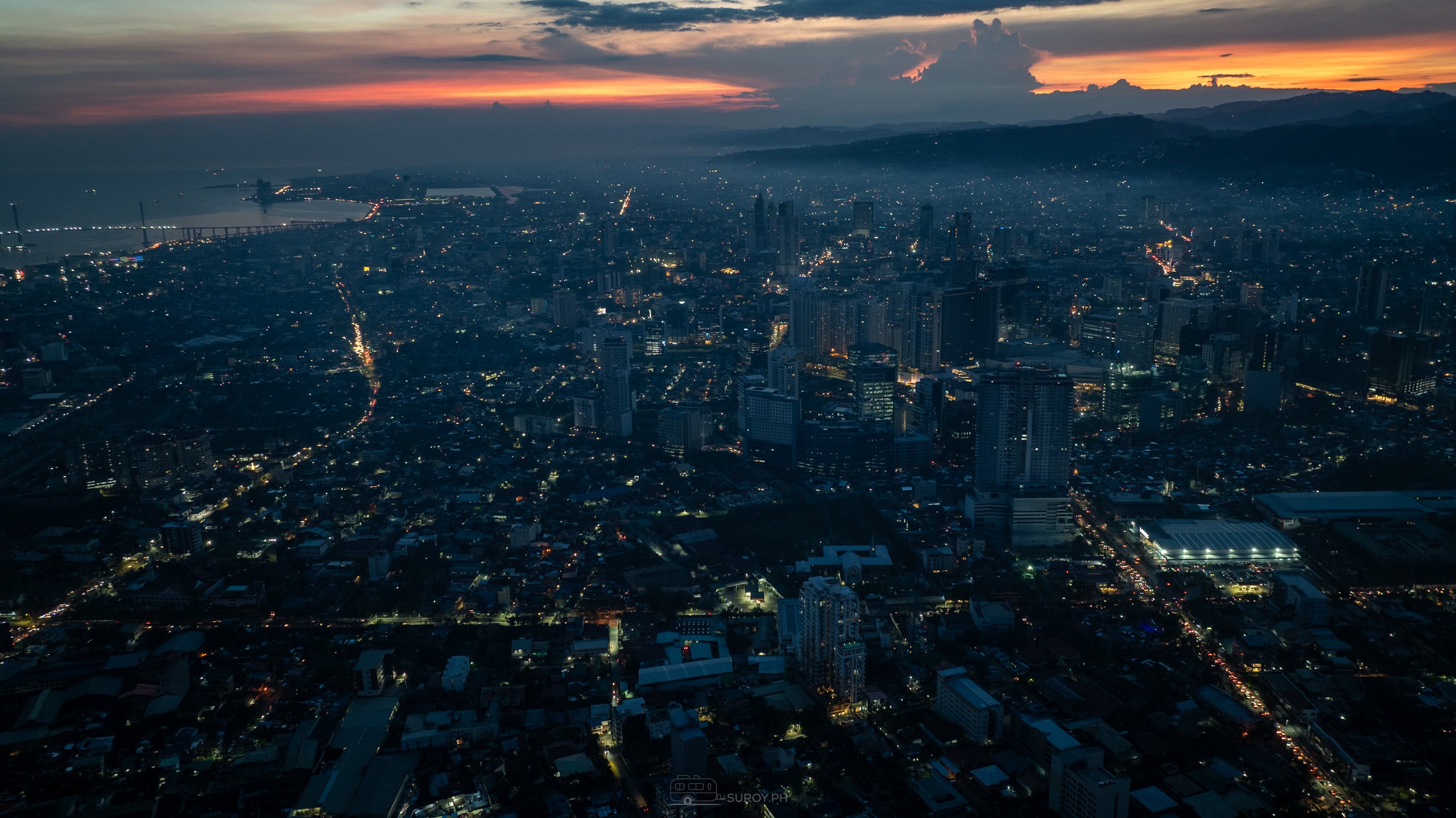

The Brownout Plan: What Actually Stops Working in a Philippine Power Outage
A brownout is not one failure. It is four, on four different clocks, and the one that ends most trips early is the water. What stops when, and what to set up before you travel.
A brownout is not one failure. It is four, on four different clocks, and the one that ends most trips early is the water. Checked September 2026.
The lights are the least of it. When the power goes out in the Philippines, the thing that decides whether the day is an inconvenience or a write-off is not the aircon. It is that water, signal and money all stop working too, on separate timetables, and almost nobody prepares for the second and third one.
Treat a brownout as four systems failing at four different speeds and it becomes plannable. Treat it as “the power is out” and you will be the person queueing at the one ATM in town that is still up.
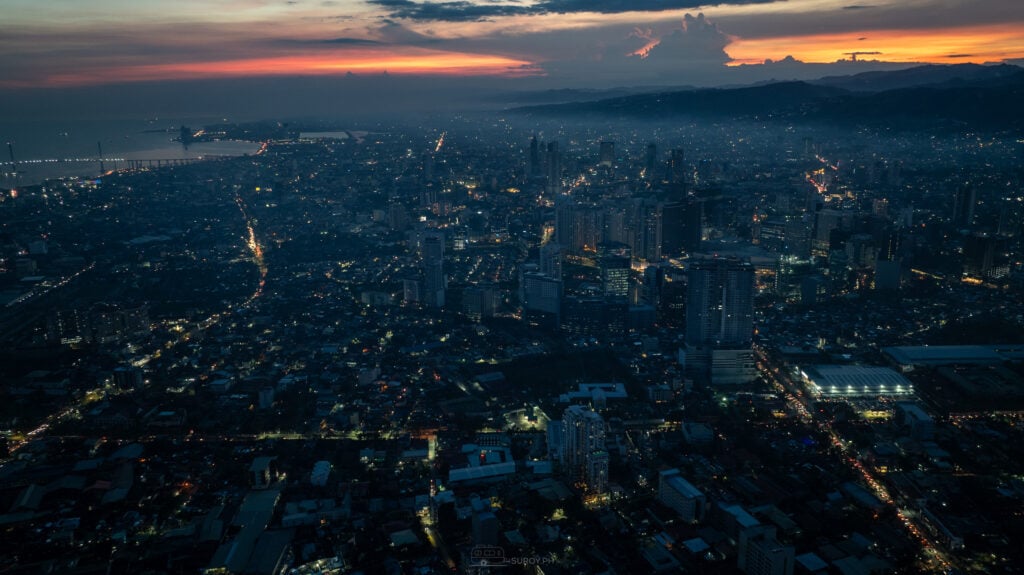
Four failures, four clocks
Light and air go immediately. Water goes within hours. Signal degrades across half a day. Cash stops being optional the moment the terminals drop, which is instantly. Each one has a different fix and only the first is obvious.
Hour zero: light, air and lifts
Instant, and the easiest to absorb. A phone torch handles a room. What catches people is the lift, particularly in mid-rise condos and older hotels where the generator runs the corridors but not the cars. If you are staying above the fourth floor and an outage is scheduled, be on the right side of the door before the window opens.
Hour one to six: the water is the one that catches people
This is the failure nobody plans for. Most Philippine buildings above two storeys pump water to a roof tank with an electric pump. No power means no pump. The tank keeps working until it empties, which is usually a few hours of normal use, and then there is no shower, no tap and no flush.
The fix costs nothing and takes two minutes. When an outage starts, or when a scheduled one is announced, fill something before the tank runs down. A bucket if the room has one, the kettle, any empty bottle. Ground-floor rooms on direct mains supply are less affected, which is worth asking about at check in during a bad grid week.
Hour four to twelve: signal thins before it dies
Cell sites hold on battery when mains drops. That backup is finite, sites fail at different times, and the practical effect is that coverage gets patchy and slow rather than disappearing cleanly. Messages send and calls do not. A booking page half loads.
So the work is done beforehand. Everything you would need to show a driver, a front desk or a boat operator should already be sitting on the phone as a file rather than behind a login. The offline travel folder is exactly this job, and a brownout is the scenario it was built for.
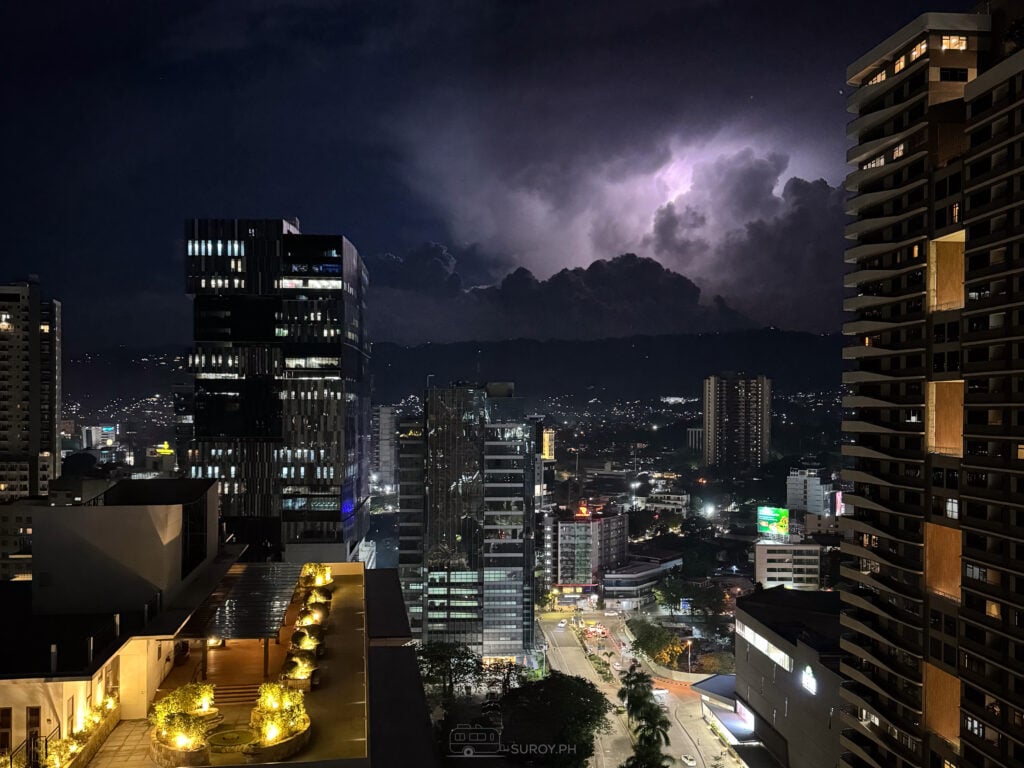
The whole time: cash only
Card terminals need power and a network. ATMs need both plus a working branch link. In a wide outage they are all down together, and the sari-sari store that is still selling is selling for cash.
Carry enough paper money to eat, ride and pay for a room for a day without a machine, and keep it split between two places rather than one wallet. The cash, cards and GCash guide covers the wider payment picture.
Set this up before you travel
- A power bank big enough for two full phone charges, and the cable that actually fits your phone.
- The accommodation address and one phone number written on paper, not only on the phone.
- Enough cash for a day, split between two places.
- Tickets, bookings and map areas downloaded as files rather than left behind a login.
- The property asked directly what its generator runs, if you are traveling during a bad grid stretch.
None of that is brownout-specific, which is the point. It is the same kit that covers a dead phone, a lost signal and a terminal with no card machine, and it is worth carrying whether or not the grid is having a bad month.
If it happens mid-trip
Fill water first, before anything else, because that window closes and the others do not. Then check whether the outage is scheduled or not, because a scheduled one has a published window and an unscheduled one does not. Then stop charging things you do not need and leave the phone alone.
And move your day. An outage is a good afternoon to be outdoors, on a boat, in a market or anywhere that never depended on the grid, and a bad afternoon to sit in a hot room waiting for the aircon to come back.
The annoying parts nobody mentions
Traffic lights go out and the junctions get genuinely dangerous, in a city more than a town. Fuel pumps are electric, so a long outage means queues at whichever station has a generator. Hotel key cards stop working at the door even where the corridor lights are on a generator, so ask reception rather than assuming you are locked out for good.
Comfort rooms in smaller places share the same pump as everything else. And a scheduled interruption almost always runs slightly longer than the announced window, so plan the end of it loosely.
Philippine brownouts, common questions
Do Philippine hotels have generators?
Larger hotels and resorts usually do, and it usually covers lifts, corridors and reception rather than every room aircon. Smaller guesthouses and homestays often have none. Ask the property directly what the generator actually runs, because “we have a generator” and “your room will have power” are different answers.
How long do brownouts last?
Anything from a few minutes for a switching fault to most of a day for scheduled load shedding or storm damage. A scheduled interruption is usually announced by the local utility a day or two ahead. An unscheduled one has no published end time, and the honest answer is that nobody will be able to tell you.
Will my phone still have signal?
For a while. Cell sites run on battery backup when mains power drops, so coverage thins gradually rather than stopping at once, and the sites nearest you may fail at different times. Treat signal as something that degrades over hours, not something that either works or does not.
Is it safe to keep traveling during an outage?
Usually yes, with two exceptions worth respecting: traffic lights go out, so junctions get genuinely dangerous, and unlit provincial roads at night are not the place to be on a motorcycle. Move during daylight where you can.
Should I cancel a trip because of scheduled brownouts?
Rarely. A scheduled interruption is a few hours in a known window, and it is easier to plan around than weather. Look at what the property runs on a generator and move your shower and charging either side of the window.
Suroy Wear · Journey Collection
For the afternoon the aircon quits.
Planning note: written September 2026 as a general plan rather than a report on any one outage. For the current Cebu grid and air quality situation, see the Cebu haze and power outages update, which carries its own date stamp. Utilities publish scheduled interruptions locally and those schedules change.