
Where to sit on a Philippine ferry, bus or van if you get seasick, and when the Bonamine goes in
Open Air at the back of the fast craft, the seat beside the V-hire driver, the front third of the Ceres, and the Bonamine an hour before the pier, not at it. A seat picker for every ride in the Visayas.
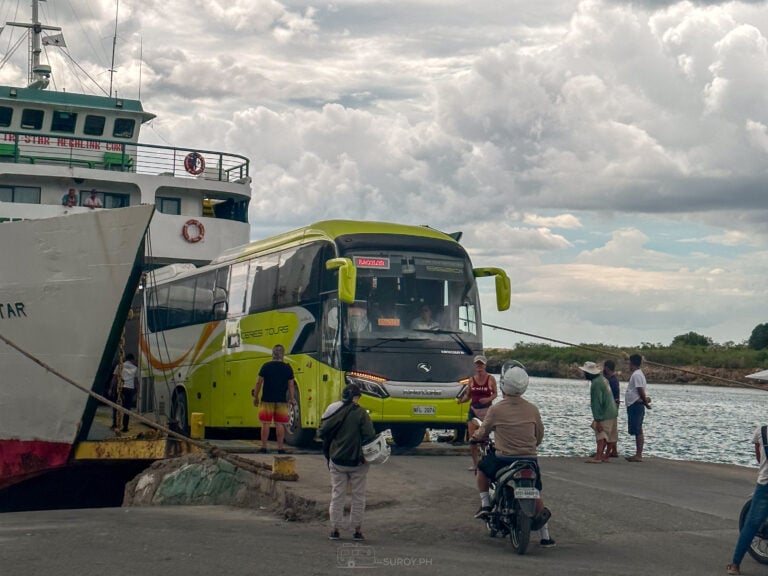
The 4:30 AM Ceres to Oslob is fine until Carcar. Then the road starts folding back on itself toward Barili, the aircon vent is aimed at somebody else, and the kid in the seat behind has gone very quiet. Or it is the afternoon fast craft to Dumaguete in August, curtains drawn, a movie on, and the whole cabin swinging like a hammock nobody asked for. Seasick on a Philippine ferry or carsick on a Cebu bus, it is the same thing, and lipong, the Bisaya word for dizzy, covers both. So does the fix, and the fix is mostly two decisions made before anything moves: which seat, and what hour the tablet went in.
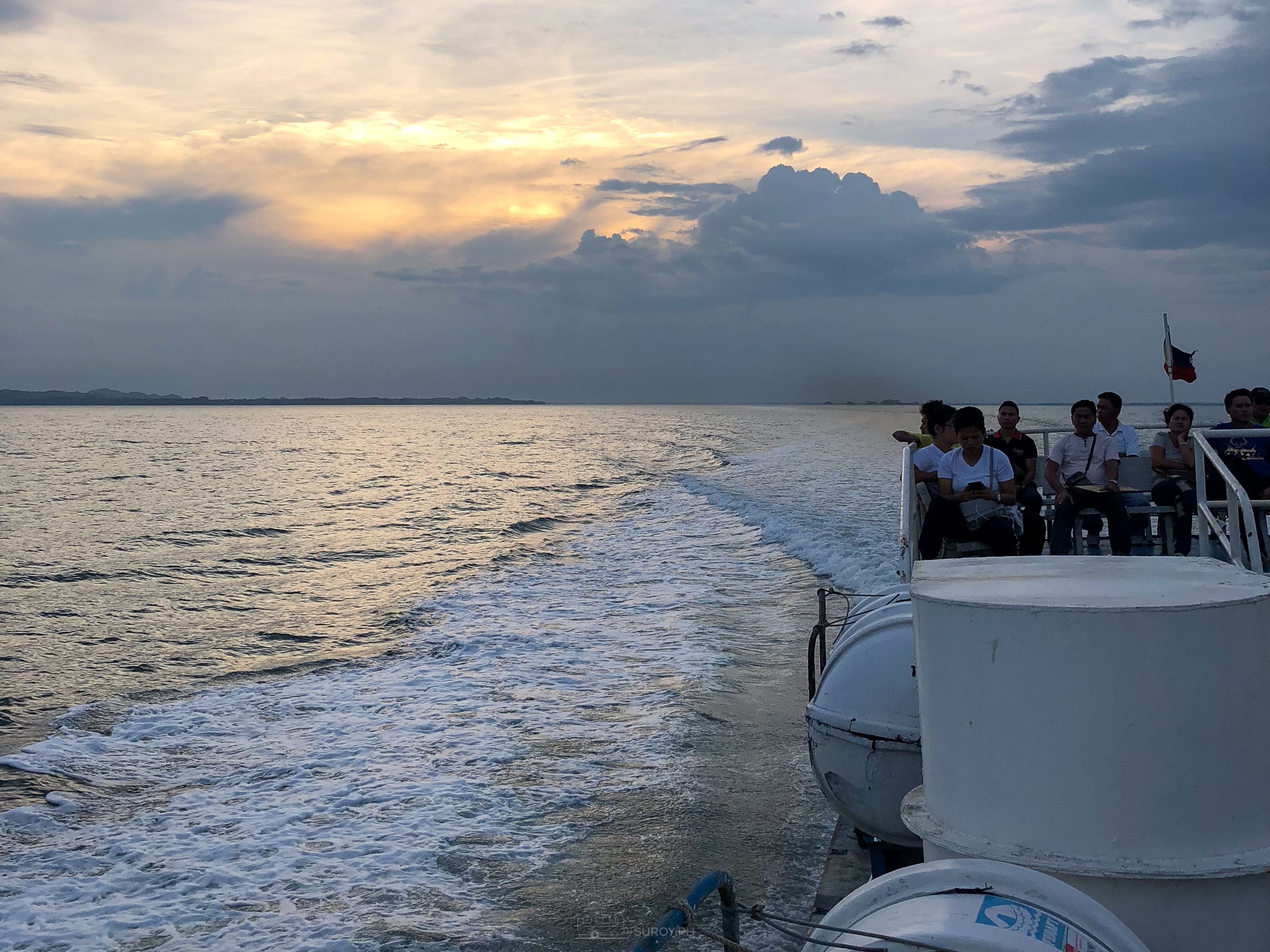
Sit low, in the middle, facing forward, with the horizon in view and cold air on your face. On a fast craft that means the Open Air seats at the back, which are also the cheapest ticket on the boat. In a V-hire it means the seat beside the driver, which costs the same as the one over the rear wheel. On a bus it means the front third. And the Bonamine goes in an hour before the pier, not at it. Everything else on this page is detail, and the picker below sorts it by what you are boarding.
Why the aircon cabin is the machine that makes it happen
Motion sickness is an argument between the inner ear and the eyes. The ear feels the boat pitch and the road bend. The eyes, fixed on a phone or a curtained cabin, report that nothing is moving. The brain treats that disagreement the way it treats a poison and empties the stomach to be safe. That is the whole mechanism, and it explains every rule that follows. Give the eyes what the ear is feeling, which is the horizon. Stop the eyes from staring at a still frame, which is the phone, the movie and the book.
Who gets it is not random either. Children are the most susceptible, and it peaks between 7 and 12, which is exactly the age of the kid who went quiet after Carcar. Under two it mostly does not happen at all. Women get it a little more than men, though age matters far more than sex. People who get migraines get it more than people who do not. And it fades through adulthood into old age. So the nine-year-old is not being dramatic, and the lolo up front eating a hard-boiled egg is not being brave. They are just wired differently.
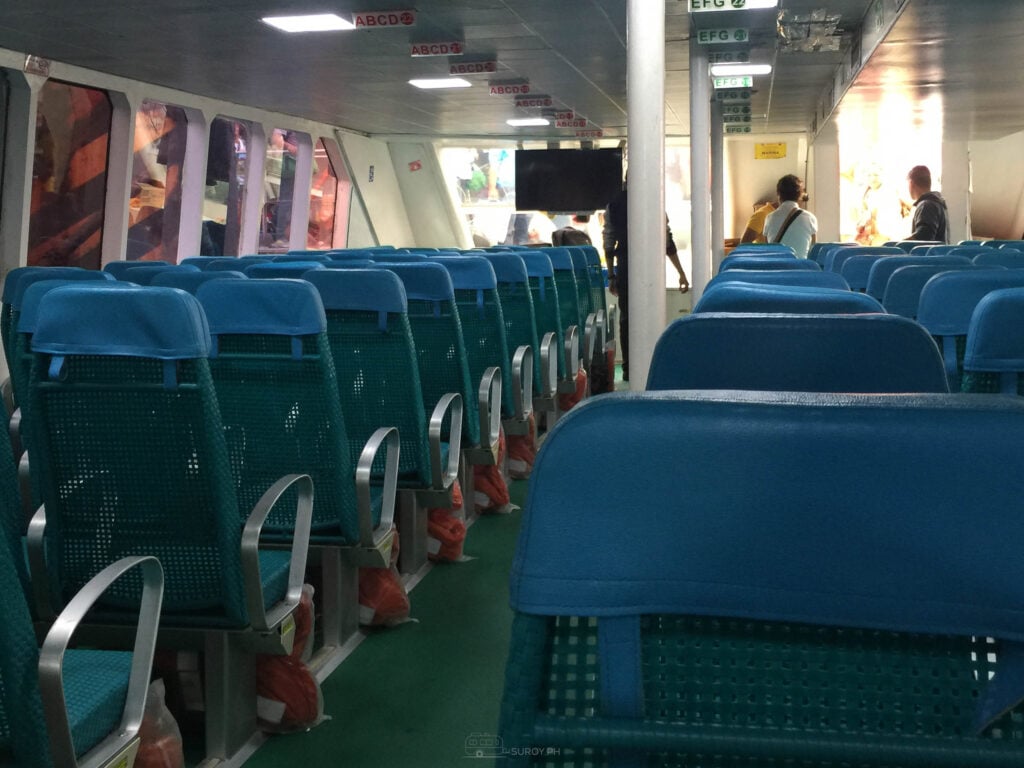
Put those two facts together and the Tourist cabin of a fast craft, curtains closed, a film playing, is close to a purpose-built device for making a nine-year-old sick. When the sea gets up, people go out to the back for air. The back is where they should have been sitting from the start.
Pick what you are boarding
Suroy.ph seat picker
What are you getting on?
Cebu to Tagbilaran, Dumaguete, Ormoc, Tubigon
Open Air, at the back. The cheapest seats on the boat are the right ones.
Sit: the Open Air section is at the stern, no aircon, the horizon in view and the exit two steps away. If you are inside, take the middle of the cabin over the front rows. The bow pitches the most, the middle the least. Aisle seat if you suspect you will need the door.
An hour before: Bonamine with water, a small meal rather than a big one, and no San Mig at the terminal.
Bring: a hand towel, water, menthol candy, the plastic bag from the pasalubong, and a jacket for Open Air after 5 PM. In rain, Open Air gets wet at the edges. Sit toward the middle of it.
What makes it worse: curtains drawn and a phone at chest height. Sitting backward. The front row, where the axe bow meets the swell first.
Fare and time: Cebu to Tagbilaran runs about two hours. Tourist and Open Air were PHP 880 to PHP 920 and Business PHP 1,320 to PHP 1,450 in September 2026, depending on which fare table you read. The fuel surcharge moves it. Cebu to Dumaguete via Tagbilaran is about four hours twenty, PHP 1,700 Tourist and PHP 2,600 Business as of May 2026. Confirm at the booth.
Lite Ferries, Cokaliong, 2GO, Trans-Asia
Slower, heavier, steadier. If you know you get sick, this is your boat.
Sit: the lower passenger deck, midship, away from both the bow and the stern. On a night sailing, lie flat in a bunk. A body lying down argues less with the sea. For air, the open deck along the rail, sitting, eyes on land.
An hour before: Bonamine, a light meal, and on an overnight sailing take it as a sleeping aid as much as anything.
Bring: a sarong or a thin blanket for the aircon deck, water, earplugs, the bag.
The bonus nobody mentions: when a gale warning is up, the coast guard holds the small vessels first. Under the rules revised in September 2023, boats of 250 gross tons and below stay tied up under a gale warning while larger ships keep sailing in daylight. Most of the fast craft on the Cebu routes sit on the small side of that line, and the coast guard has held them while the RoRos sailed. The RoRo is the one still moving, and it is also the one that moves you least.
Fare and time: Cebu to Tagbilaran on Lite Ferries takes about four hours, PHP 480 Standard and PHP 624 Tourist in September 2026. Twice the fast craft’s time, roughly half the fare, and a fraction of the rolling.
South Bus Terminal to Oslob, Bato, Moalboal, Badian
Front third, window, and get on at the terminal so you can pick it.
Sit: Ceres takes no reservations at the terminal. The conductor sells the ticket on board, so the seat is whoever sits in it first. A few online resellers list Ceres seats on the southern routes; whether a numbered seat comes with that is between you and the reseller. Board at the terminal, not at a roadside stop, and take a window in the first five rows. The back row sits over the rear axle and gets every bump twice.
An hour before: Bonamine, which for the 4 AM bus means an alarm at 3. Coffee is fine. Sisig is not.
Bring: a jacket for the aircon, a bag, water, and on the ordinary bus, an open window, which does more for a bad stomach than any vent.
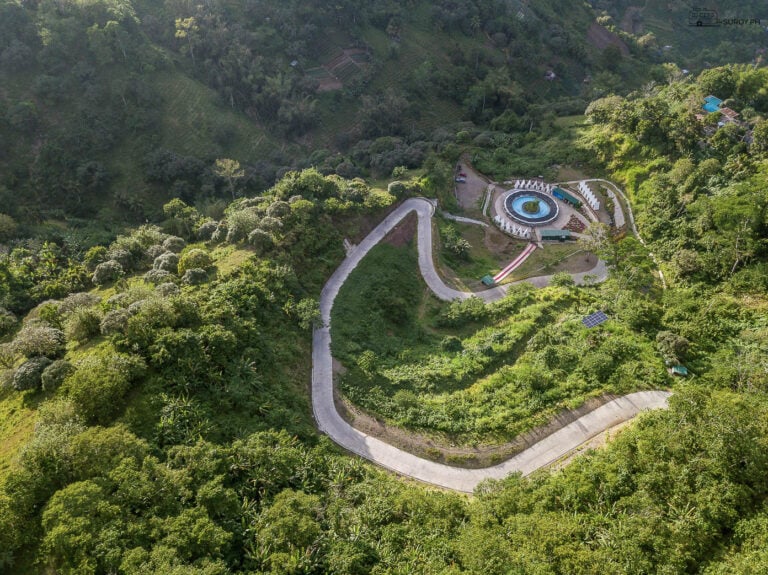
What makes it worse: the switchbacks after Barili on the Bato via Barili route, the Carcar to Barili road being 21 kilometers of hill. A phone. A hangover. The seats at the very back where the barkada wants to sit.
Fare: the conductor’s ticket is the fare. Published aircon fares to Oslob ranged from PHP 155 to over PHP 300 across the sources we checked in September 2026, which is a sign of how little the published ones are worth. Budget the high one. The terminal guide covers the queue.
Cebu City to Moalboal, Bato, Balamban, Toledo
The seat beside the driver. Same fare, best view, no rear axle.
Sit: say sa unahan when you pay and take the front passenger seat. It costs the same as the rest and it goes first, so be at the terminal early. If it is gone, the row right behind the driver, window side. The last row of a V-hire is the worst seat on any road in Cebu.
An hour before: Bonamine. A van does not have a stern to walk to.
Bring: water, the bag, earphones, and low expectations of the driver’s playlist.
What makes it worse: the Transcentral to Balamban, which is 90 minutes to two hours of turns and about PHP 100 in a V-hire. Sixteen other people’s snacks. Reading anything.
Fare and time: Cebu City to Moalboal around PHP 180 and about three hours, in a van that seats up to 17. Van versus bus is a longer argument than the seat.
Island hopping, Malapascua, Bantayan, Camotes shuttles
Middle of the boat, on the centerline, low, facing forward. Go in the morning.
Sit: the seats out on the outriggers look like fun and swing the most. The bench along the centerline, midway between bow and stern, moves least. Face the island you are heading to and watch it, not the water going past the side.
An hour before: Bonamine and a light breakfast. Island hopping breakfasts are large and the boat leaves at eight. Eat half.
Bring: a dry bag, a cap, water, and the bag inside the dry bag. There is no comfort room on a bangka.
What makes it worse: standing up to film. Afternoon crossings, because the wind usually builds after lunch. Habagat afternoons in particular.
The honest part: a small boat means you feel every wave, and there is no cabin to hide in, which is exactly why fewer people get sick on a bangka than on a fast craft. You are already outside, already looking at the horizon, already in the wind.
Transcentral, Manipis, Carcar to Barili, Bohol’s interior road
Drive, or sit in front. A kid gets a booster and a window.
Sit: the driver almost never gets carsick, because the brain knows the turn is coming. If you are not driving, take the front seat and watch the road. Children in the back need to see out, and a booster that raises the eye line does more than any tablet. Windows down through the fog on the Transcentral.
An hour before: Bonamine for the passengers. Never the driver.
Bring: ginger candy, cold water, a bag, and a stop planned every 45 minutes. Any viewpoint counts.
What makes it worse: Manipis, the Talisay to Toledo road, is narrow and winds through cliffs. If Toledo is the destination, most commuters go by the Naga to Uling road instead, which is the gentler of the two. In Bohol, the interior road from Loboc through the man-made forest toward Carmen climbs and winds, and it is the stretch where the kids in the back go quiet. Reading a map on a phone on any of them.
Pick the closest match and the picker gives you the seat, what to do an hour before, what to bring, and the one thing that makes it worse.
The Bonamine tita is right, and the timing is the whole trick
Every Filipino family has one. She has a strip of Bonamine in the same pocket as the White Flower, and she starts handing it around before the van has left the terminal. She is correct, and she is correct in the one way that matters, which is the clock.
Bonamine is meclizine, a 25 milligram chewable, sold over the counter at Watsons, Southstar, TGP and the rest. Watsons had ten tablets at PHP 150 in September 2026. The box says one hour before travel, and that hour is the entire point. Chewing one at the pier while the boat is already rolling is like putting on sunblock at two in the afternoon. It is not nothing. It is late.
There is a children’s version, a 12.5 milligram chewable for ages five and up, sold per piece at around PHP 12. Under five, ask the pharmacist and not the group chat, because the medical guidance on antihistamines and small children is cautious for a reason. The main side effect for everybody is drowsiness. On a four hour RoRo that is a feature.
Cinnarizine, sold here as Stugeron, is the other tablet people swear by. Pharmacy sites list it as prescription only, at about PHP 59 a tablet. Dimenhydrinate, the Dramamine of the American aisle, is hard to find in a Philippine pharmacy as a standalone product. Do not build a plan around it.
None of this is medical advice. Pregnant, on other medication, or dosing a child: the pharmacist is standing right there and the question takes thirty seconds.
The rest of the tita’s bag, ranked by whether it works
- The horizon and cold air. Works, free, and the reason the cheap seats are the good seats. A fixed point on land, wind on the face, and the ear and the eye stop arguing.
- Eyes off the phone. Works. The group chat can wait two hours. So can the movie.
- Ginger. Some evidence, no harm, cheap. A salabat sachet in hot water at the terminal, or ginger candy in the pocket.
- Sleep. Works, if you can. Which is why the Bonamine drowsiness is not the problem it sounds like.
- White Flower, Katinko, Poy Sian, Vicks. It will not stop the nausea by itself. It gives the nose something to do, which helps some people, and it is the smell of every bus in the country. Keep it.
- Menthol candy. Same job as the oil, easier to share.
- Sea-Bands. The wristbands with the plastic stud. The evidence says they work about as well as a band with no stud, which is to say no better than believing in one. Wear it if it calms you. Do not skip the tablet because of it.
- The plastic bag. Works every single time at the thing it is for. Double it.
Which crossings get rough, and when

Habagat, June to September. The southwest monsoon works on Cebu’s western and southern crossings and on the Camotes channel, and a typhoon anywhere near enhances it. In one stretch of July 2026 rough seas shut down sailings on Cebu to Tubigon, Tagbilaran, Getafe, Ormoc and Maasin, Danao to Camotes, Poro to Liloan, and the Santa Fe to Hagnaya run, all at once. On 9 August 2026, 85 passengers were stranded across ports in the region in a single day.
Amihan, November to February. The northeast wind flips the problem to the Pacific side and the north. Maya to Malapascua gets choppier once amihan sets in, and the dive shops on the island treat December and January as the months when the wind decides whether the boats go out. Surigao to Siargao suffers the same wind. Northeast Bohol too: on 7 November 2025, Signal 1 over that corner of Bohol shut its ports, and the cancellations ran through Tagbilaran to Cebu, Cebu to Tubigon, and the Ormoc and Siquijor sailings with them.
March to May is the flat water, which is also why everybody goes then.
The rule behind the cancellations is worth knowing because it tells you which boat still sails. Since the coast guard revised its policy in September 2023, whether a vessel can leave under Signal 1 depends on its size and the sea state. Under a gale warning, boats of 250 gross tons and below are held. Bigger ships can sail, and only in daylight. In practice that means the fast craft is the trip most likely to be scratched and the RoRo is the one most likely to go. If you are prone to seasickness and it is habagat, that is two reasons for the same ticket.

Check the PAGASA gale warning page the night before a crossing. If it is up over your stretch of sea, build the buffer day in now rather than at the pier. The habagat playbook covers what to do with the day you just lost.
The reset ritual, from the alarm to the pier
- Sixty minutes before departure: the tablet, with water. Not at the pier, not on the bus. If the bus leaves at four, the tablet is at three and the alarm is at ten to.
- Breakfast is half a breakfast. Rice and egg, not silog with the works. No beer the night before if it is a morning sailing, and none at the terminal.
- Buy the seat, and then the ticket. Open Air on the fast craft. Sa unahan in the van. First five rows on the bus, which means being at the terminal before the bus is.
- Board and look outside. Pick a fixed point on land and keep it. The phone goes in the bag before the ropes come off. If the cabin has curtains, sit where the window is open.
- If it starts: get outside, cold air, eyes on the horizon, slow breaths through the nose. Hold the bag, not the food. Fighting it makes it worse. Getting it over with makes it better, and nobody on a Philippine ferry will look twice.
- After: sugar and water. A Sprite at the pier, a banana from the tita. Then the tricycle, front seat, and do not read the receipt.
The annoying parts
Open Air is hot at noon and wet in rain, and the legroom in the front row of it is about a ruler’s length. It is still the right seat, because the alternative is the cabin.

The front seat of the van comes with the driver’s playlist and, sometimes, the driver’s conversation. The Ceres seat cannot be reserved at the terminal, so the 4 AM bus to Oslob fills at 3:40, and the person who wanted the window is the person who was there at 3:30. The fast craft cabin has curtains for a reason, and the reason is the movie, and the movie is the problem.
The RoRo takes four hours where the fast craft takes two, and the four hours are on a schedule that suits cargo more than it suits you. The kids’ Bonamine is sold per piece, which means the pharmacist tears one off a strip and you spend PHP 12 on the most important item of the trip. And the person who is never sick, who ate the full silog and is now filming the wake on the open deck, will offer you their phone to watch something. Do not take it.
Questions people actually ask
Which seat is best on OceanJet if you get seasick?
Open Air, the uncovered section at the stern. It has no aircon, a clear view of the horizon and the exit beside it, and it is the cheapest fare on the boat. Inside the cabin, the middle rows move less than the front ones.
When do you take Bonamine before a ferry?
One hour before departure, per the box. Taken at the pier as the boat rolls, it is already late. Bonamine is meclizine, sold over the counter in the Philippines, about PHP 150 for ten chewable tablets in September 2026.
Which is calmer, the fast craft or the RoRo?
The RoRo. It is heavier, slower and steadier, and under a gale warning it is the one still allowed to sail while boats of 250 gross tons and below are held at the pier. Cebu to Tagbilaran takes about four hours on Lite Ferries against two on the fast craft.
When is the sea roughest around Cebu?
Habagat, June to September, on the western and southern crossings and the Camotes channel. Amihan, November to February, on the northern and Pacific-facing routes such as Maya to Malapascua and Surigao to Siargao. March to May is the flattest water.
Can children take Bonamine?
There is a 12.5 milligram children’s chewable labeled for ages five and up, sold per piece. Under five, or for any child on other medication, ask the pharmacist. Children are the most prone to motion sickness of anyone on the boat, and it peaks between 7 and 12.
Do Sea-Bands or acupressure wristbands work?
The evidence says they do no better than a placebo band. They are harmless, so wear one if it helps you feel prepared, but do not skip the tablet, the seat and the horizon because of it.
Suroy Wear · Statement Series
Pag-amping. It is what the tita says at the gangway, and what she means is take the tablet.
Standing note: fares, pharmacy prices and sailing rules on this page were checked in September 2026 and will move. Fast craft fares carry a fuel surcharge that changes with the pump price, and where two published fare tables disagreed the range is printed rather than one figure. The coast guard’s rules on sailing under weather signals are described as revised in September 2023. Nothing here is medical advice; the pharmacist and the box are the authorities on any tablet, and on any child.