

Bohol Travel Guide: The Loop, the East Side, and What the Hills Cost Now
Most Bohol trips are one loop through the middle of the island and two nights on Panglao. Here is what that misses, and which Chocolate Hills viewpoints are now closed.
Bohol runs on one route. The countryside loop leaves Tagbilaran or Panglao after breakfast, takes in the tarsiers, the man-made forest, a lunch cruise on the Loboc and the Chocolate Hills, and has you back by late afternoon. It works, which is why almost everyone does it. What it leaves out is the east side of the island, where the tallest waterfall in Bohol sits directly underneath a set of rice terraces and the roads are empty because the tour vans do not go that way.
This guide is the whole island in the order a trip actually happens: getting on, where to sleep, the loop, the parts of the loop that are now closed, the east side, and what the day costs.
Getting to Bohol
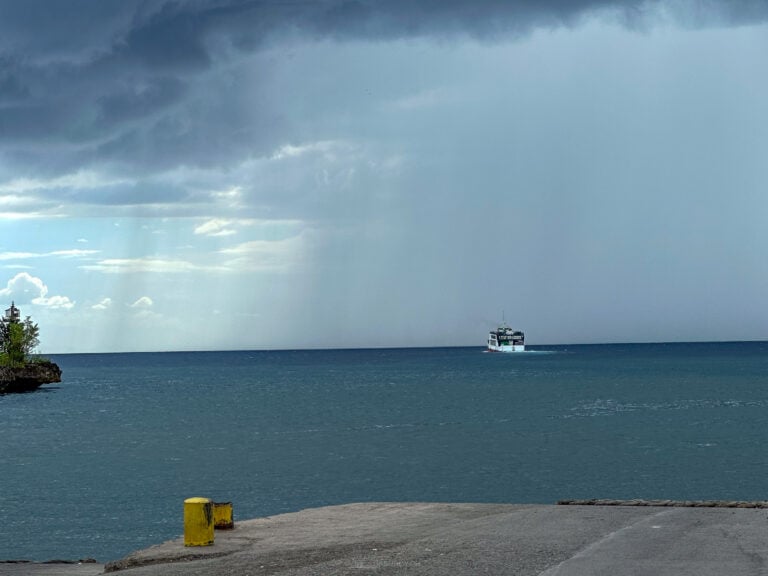
Two doors. Bohol-Panglao International Airport opened in 2018 on Panglao itself, which put arrivals about forty minutes from the Panglao beaches and roughly the same from Tagbilaran. The other door is the sea. Fast craft run the Cebu to Tagbilaran crossing several times a day and take about two hours, and there are slower roll-on roll-off sailings for anyone bringing a vehicle.
Book the boat rather than turning up for it on a weekend or a long weekend, when the Cebu sailings fill. Our guide to how ferry booking works in 2026 covers the systems the operators actually use, and if you are arriving through Manila first, which airport to connect through is the decision that costs the most time.
Where to stay: Panglao or Tagbilaran
This is the first real decision and it changes the trip more than any other. Panglao is the beach, the diving, the restaurants and the resorts. Tagbilaran is the city, the port, the hospitals and the cheaper rooms, and it puts you closer to the road east. Most people should pick Panglao and accept the drive. The full comparison, with what each side costs you in time, is in Panglao Beach vs Tagbilaran City.

Two resorts on this island are worth naming. Be Grand Resort sits on Panglao with the water park families come for. Mithi Resort and Spa is the quieter room on the same island. If you are traveling with a dog, the rules and fees are set out in pet-friendly beach stays in Cebu and Bohol.

The countryside loop, in the order that works
Leave early. The loop is not long but every stop on it has a queue by mid-morning, and the light on the hills is better before the haze builds.
Tarsiers first
Go at opening. The tarsier conservation area is the one stop on this loop where crowd size changes the animal’s day, not just yours. They are nocturnal, they are the size of a fist, and they are sleeping while you look at them. Keep your voice down and your flash off, and it is a good stop. Arrive with three vans and it is not.

The man-made forest
Ten minutes of mahogany planted in the 1960s, thick enough that the temperature drops when you drive into it. It is a photograph rather than a destination, and everyone stops. The forest, and why it is there.

Loboc
The Loboc river cruise is a floating buffet with live music, and it is either the most touristy hour of your trip or a very pleasant lunch, depending entirely on your mood when you board. The church beside the river is the older story and takes ten minutes.


Baclayon
Baclayon Church is one of the oldest stone churches in the country and it was badly damaged in the 2013 earthquake. What you are looking at is a restoration, and the museum next to it holds the pieces that did not go back up.

The Chocolate Hills, and the viewpoints that are shut
This is where most planning goes wrong, because the advice online has not kept up.

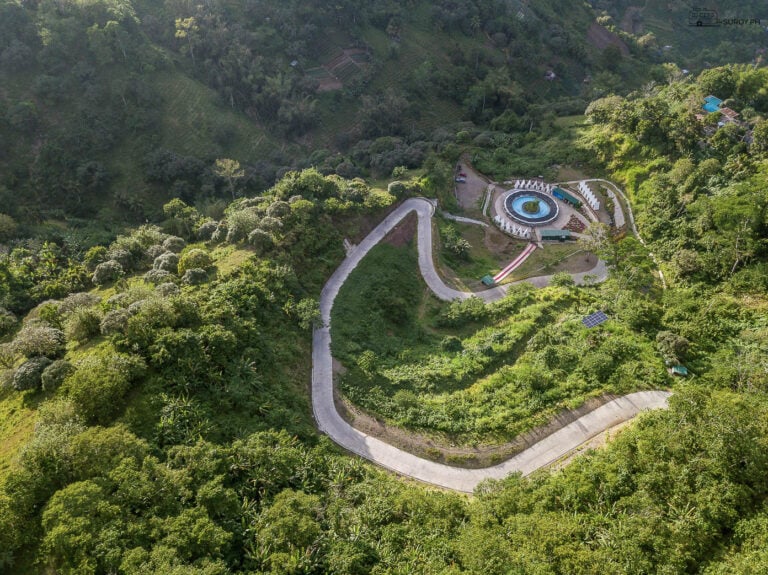
The Chocolate Hills Complex in Carmen is the government viewing deck and it is open. It is the one people mean. The entrance fee changed on 1 October 2025 under Carmen’s Municipal Ordinance No. 27, Series of 2023, so any figure written before that date is wrong.
Three of the alternative viewpoints the internet still recommends are closed. Sagbayan Peak has been shut to commercial activity since at least April 2025. Captain’s Peak has been closed since March 2024. The staircase at Bud Agta was demolished in 2024. Chocolate Hills Adventure Park is a separate private attraction with its own gate and its own ticket, and guides confuse it with the complex constantly.
On the color: the hills are not reliably brown in January. Bohol has no pronounced dry season, and the browning follows the rain rather than the calendar. The full picture, with the fee, the access road works and the month-by-month rainfall, is in the Chocolate Hills guide. Bring cash. Carmen is a small town.

The east side, which the loop skips
Candijay is about two hours from Tagbilaran on the far side of the island, and it holds the two best things in this guide.

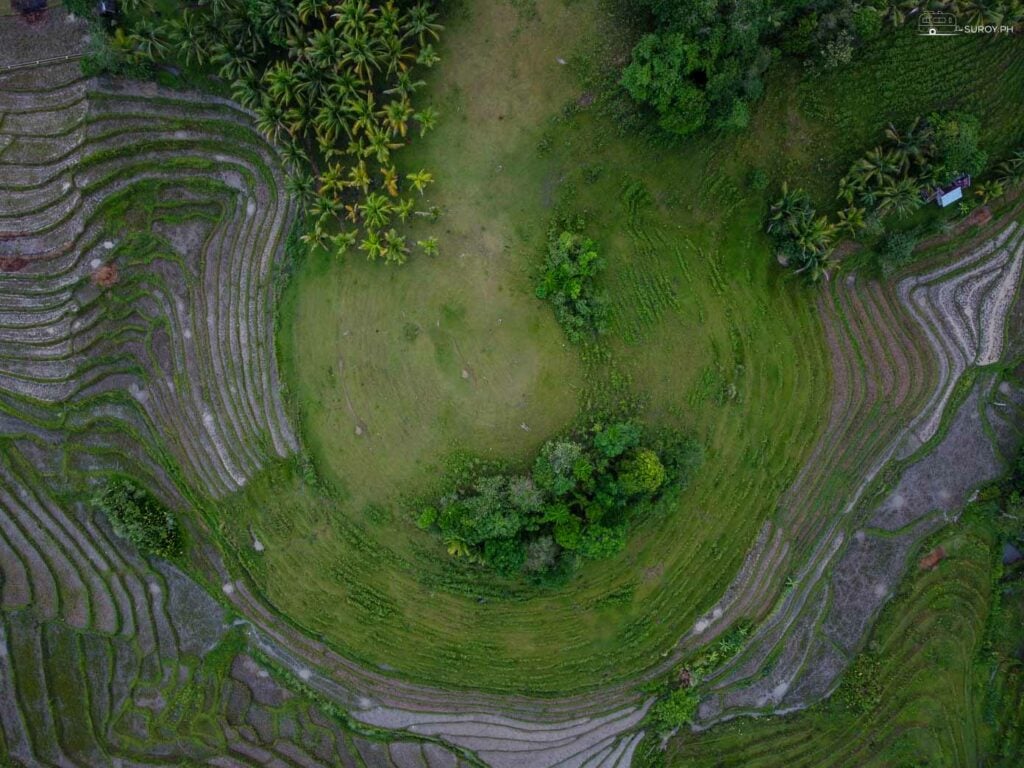
Can-Umantad Falls is the tallest waterfall in Bohol at around sixty feet, reached by habal-habal and then twenty to thirty minutes on foot. Directly above it, on the same slope, are the Cadapdapan rice terraces. They are one stop, not two, and almost nobody schedules them because the day tours are built around the loop.
If you only have three days on this island, trading the second half of the loop for a morning in Candijay is the swap worth making.
Panglao, and where to eat
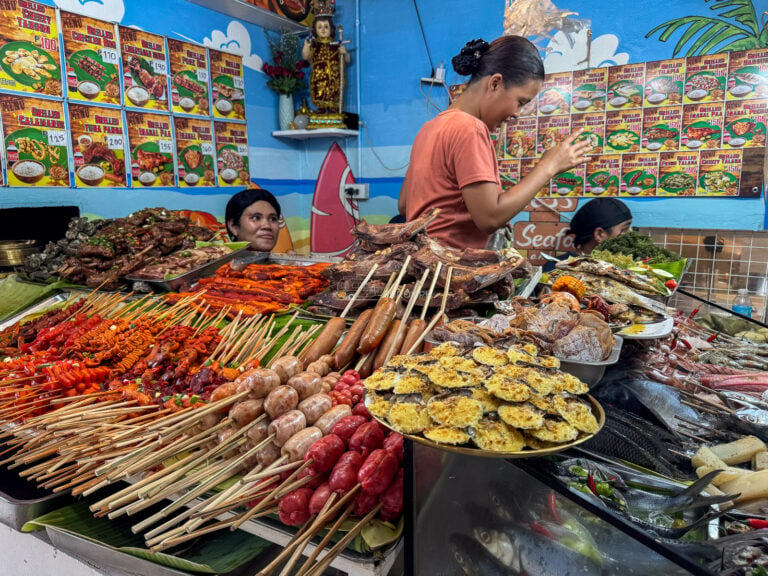
Bohol Bee Farm in Dauis is the one that has been there longest and still earns it, organic garden to plate with the ice cream people come back for. Mist Panglao is the sit-down dinner. Moadto is the strip on Panglao where you end up when nobody can agree.

What Bohol costs
Entrance fees on this island are small individually and add up quickly across a loop, and several of them moved in the last two years. The current picture for Bohol alongside its neighbors is in tourism fees for Cebu, Bohol, Siquijor and Dumaguete.
For the whole trip rather than the tickets, the Bohol trip budget calculator puts a range on it by nights, travelers, travel style and which corridors you actually take. The default four-day trip for two comes out at ₱24,540 to ₱46,620 before flights.
How long to give it
Three nights is the honest minimum: one day for the loop, one for Panglao and the water, one for the east side. Two nights means choosing between the hills and the coast. Five nights and you can add Anda, slow down on Panglao and stop driving at all.
A three-day Bohol itinerary
Three nights is the shape that works. Anything less and you are choosing between the hills and the coast.
Day one: arrive and stay put
Land at Panglao or come off the boat at Tagbilaran, check in, and do not schedule anything. Alona and the Panglao beaches are twenty minutes from the airport. Dinner at Bohol Bee Farm in Dauis on the way in is the version of this evening most people remember.
Day two: the countryside loop
Out by seven. Tarsiers at opening, the man-made forest on the way through, Loboc for lunch on the river, then Carmen for the Chocolate Hills in the afternoon once the vans have thinned. Baclayon on the way home if there is light left. A driver for the day is the sane way to do this and it is what almost everyone books.
Day three: Candijay and the east
Two hours out, and worth every minute of it. Can-Umantad Falls and the Cadapdapan rice terraces are the same stop on the same slope. Leave early, take the swim, eat in Candijay, drive back in the afternoon.
Two nights instead of three: drop day three and accept that you saw the version of Bohol everyone else saw. Five nights: add Anda on the east coast, give Panglao a full day in the water, and stop getting into a van entirely.
Getting around the island
A van with a driver for the day is how the loop gets done, and it is the only sensible option once there are more than two of you. Habal-habal, the motorcycle taxi, covers the short hops and is the only thing that reaches most waterfall jump-offs. Motorbike rental is easy on Panglao and fine on the main roads, less so on the interior climbs in the wet. Ride-hailing exists in Tagbilaran and Panglao and thins out fast once you leave them.
Carry cash. Card acceptance drops off sharply outside the Panglao resorts, and the fee booths on the loop take notes only.
When to go, and the truth about the brown
Bohol has no pronounced dry season. The island takes roughly 2,685 millimeters of rain across a year, and the driest month, April, still gets about 119 millimeters. That is the fact sitting underneath the most repeated piece of bad advice about this island, which is that the Chocolate Hills turn brown in January because the guides say so.

They brown when the rain stops for long enough, which follows the weather rather than the calendar. February to May is the better bet on balance. Arriving in a green month is not a wasted trip and the hills photograph well either way, but go expecting green and be pleased rather than the reverse.
What to skip
Three of the viewpoints still recommended online are closed. Sagbayan Peak has been shut to commercial activity since at least April 2025. Captain’s Peak closed in March 2024. The viewing staircase at Bud Agta was demolished in 2024. None of them is a working alternative to the complex at Carmen.
The other trap is a naming one. Chocolate Hills Adventure Park is a private attraction with its own gate, its own ticket and its own zip line. It is not the viewing deck. If you want the photograph everyone has seen, you want the complex.
Questions people ask about Bohol
How many days do you need in Bohol?
Three nights covers the loop, Panglao and the east side without rushing. Two nights covers the loop and the beach. One night covers the loop and nothing else.
Panglao or Tagbilaran?
Panglao for the beach, the food and the diving. Tagbilaran for cheaper rooms, the port and a shorter drive east. Most visitors are happier on Panglao.
Can you do Bohol as a day trip from Cebu?
You can, and it is a long day. Two hours on the water each way leaves roughly seven or eight hours on the island, which is the loop and nothing else, with no margin if a sailing slips. It works as a first look. It does not work as a trip.
Will the Chocolate Hills be brown when I go?
Possibly not, and no month guarantees it. They are green for most of the year and brown in the dry months, and the timing shifts year to year.
Do you need to hire a car in Bohol?
No. A van with a driver for the loop day and habal-habal for the rest covers almost every itinerary, and parking at the busier stops is its own small problem.
Suroy Wear

Tarsiers, hills, and the sea below.
Bohol does not have one icon, it has a list. The Bohol Icon Tee stacks them. ₱999.
Wear the story