

Iloilo at 89: The Heritage City That Kept Moving Forward
Iloilo City turns 89 on August 25, 2026. Its story is bigger than a Charter Day program: old districts, a working river, new public spaces and a food culture that still feels local.
Iloilo City turns 89 on August 25, 2026, but its strongest anniversary story is not a list of ceremonies. It is the way an old port city kept moving without treating its past as something to fence off and forget.
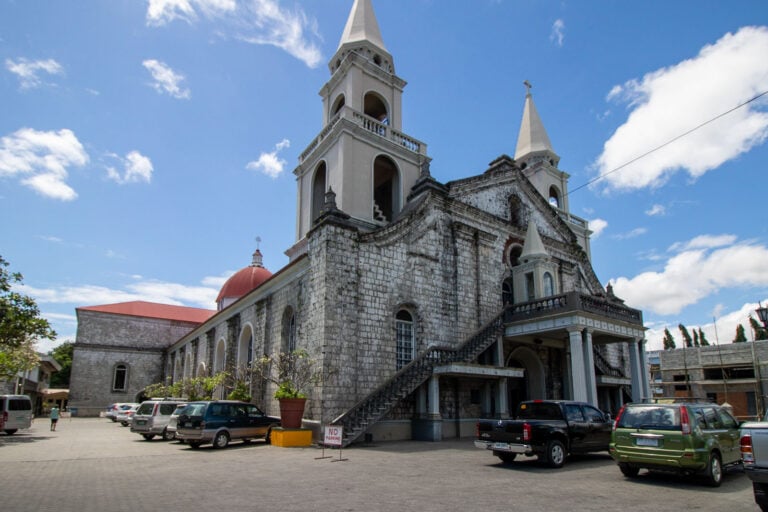
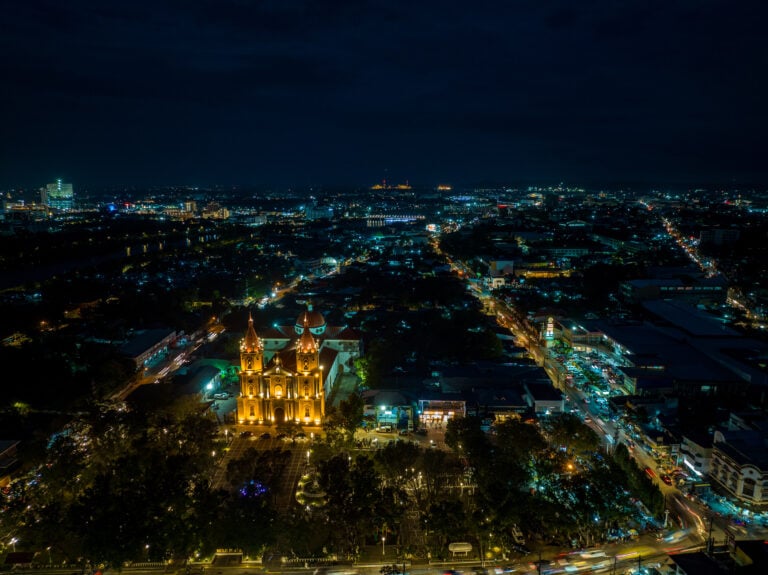
You can still cross Molo Plaza under the gaze of a stone church, stand between Jaro Cathedral and its separate bell tower, walk past the old commercial buildings of Calle Real, and end the day beside a river that has become public space again. A few kilometers away, newer districts carry offices, museums, hotels and restaurants that belong to a very different era of Iloilo.
That contrast is the point. Iloilo did not stop changing. It learned that progress works better when people can still recognize the city underneath it.
Why August 25 matters to Iloilo
Commonwealth Act No. 57 established Iloilo’s city charter in 1936, and the city was formally inaugurated on August 25, 1937. Eighty-nine years later, Malacañang declared August 25, 2026 a special non-working day in Iloilo City through Proclamation No. 1388.
The 2026 theme is Celebrating 89 Years of Progress Toward a Better Iloilo City for All. The month-long program included public-service caravans, health activities, cultural competitions, markets and sports. Charter Day itself includes a job fair, the Mayor’s Night and recognition of the Top 10 Outstanding Ilonggos, according to the Philippine Information Agency.
Those activities matter because they move the anniversary beyond nostalgia. A city charter is not only a date on a marker. It is an agreement about how a city serves people as its population, economy and physical shape change.
Molo and Jaro kept their own identities
Iloilo makes more sense when you stop thinking of it as one continuous downtown. Its older districts still have their own centers, plazas, churches and rhythms.
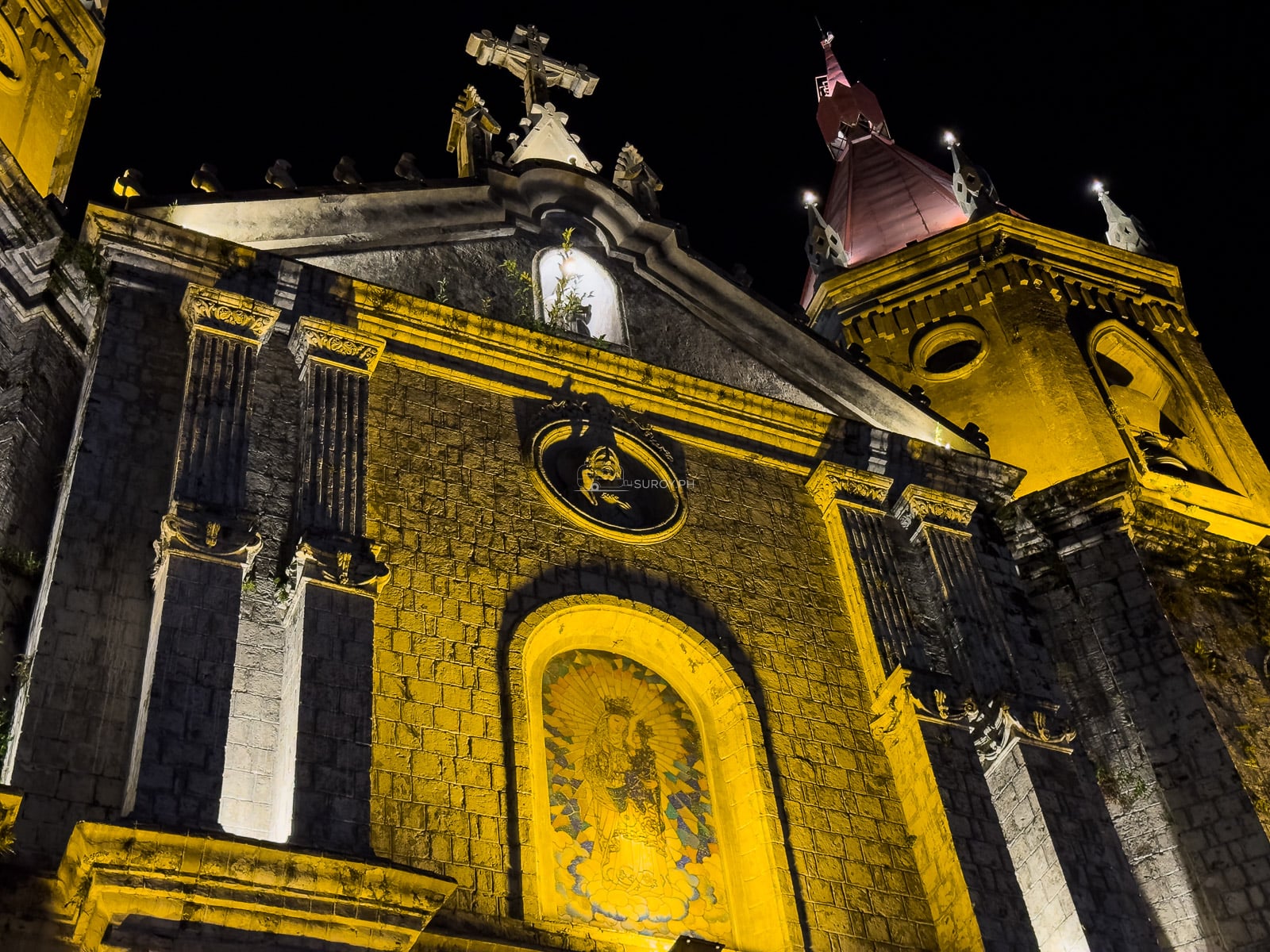
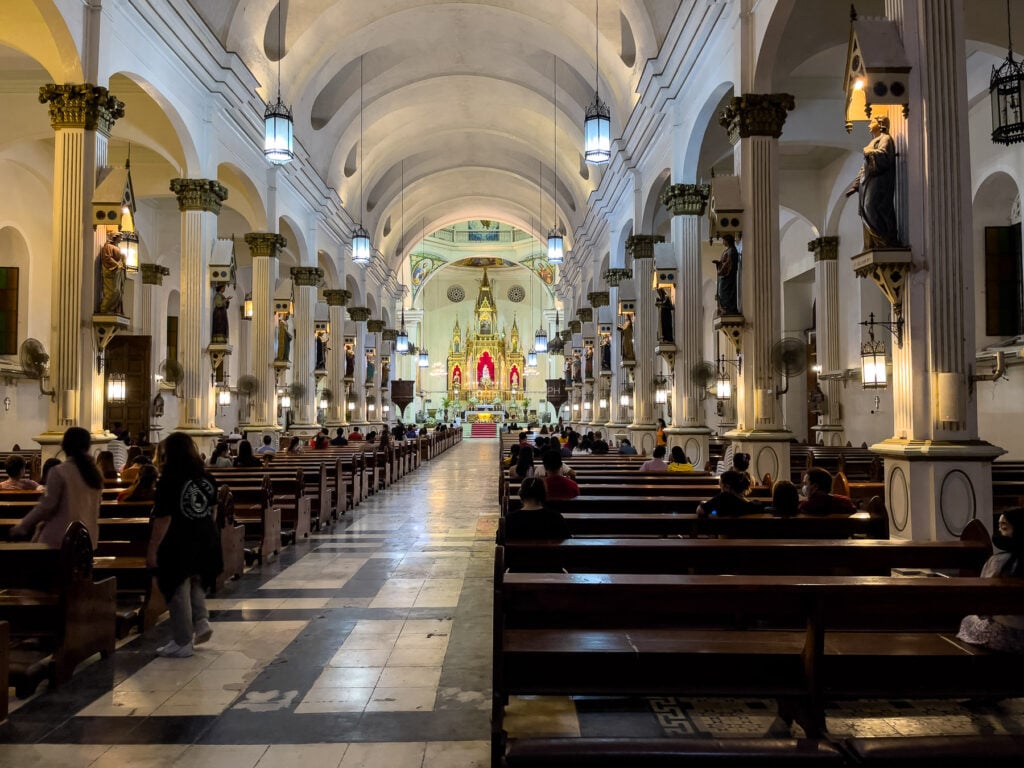
In Molo, the plaza and Saint Anne Parish Church still work as a shared neighborhood space. The church is often called the feminist church because of the sixteen female saints lining its interior. But the district is more than a single landmark. Its streets, old houses and public spaces show how heritage survives when it remains part of ordinary city life. Read the full Suroy.ph guide to Molo before you visit.
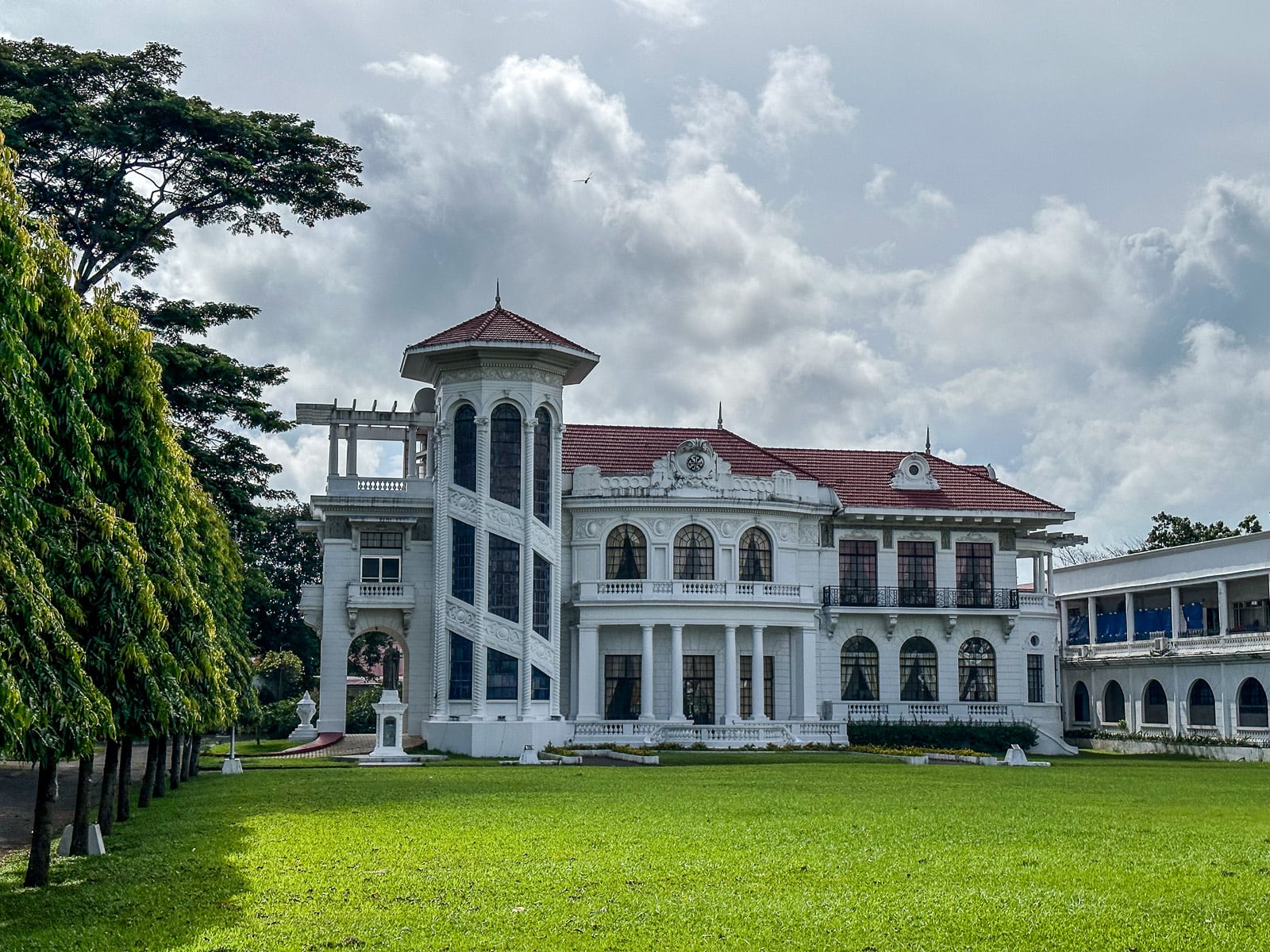
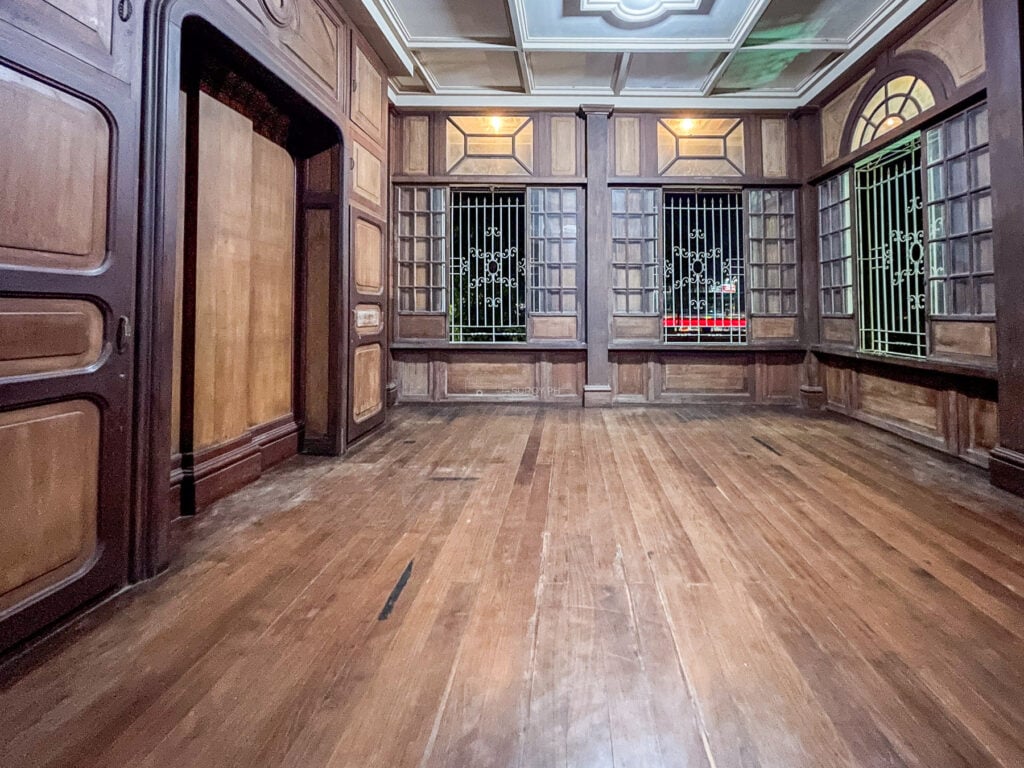
Jaro has a different scale. Its cathedral faces a bell tower across the plaza, an unusual arrangement that immediately tells you this district has its own story. The area also carries layers of religious, residential and commercial history that do not feel interchangeable with Molo or the City Proper. Our Jaro Cathedral guide explains what to look for around the plaza.
Calle Real proves that an old center can remain useful
Calle Real in the City Proper carries the architecture of Iloilo’s commercial rise. The old façades are not a perfect preserved film set. They stand beside traffic, signs, shops and the everyday pressure of a working downtown.
That tension is healthier than pretending heritage exists outside modern life. Preservation becomes durable when buildings can stay occupied, streets remain walkable and local businesses see value in keeping a district active. The most useful way to experience Calle Real is on foot, slowly enough to look above the storefront level where much of the architectural detail survives.
The river became a front door again
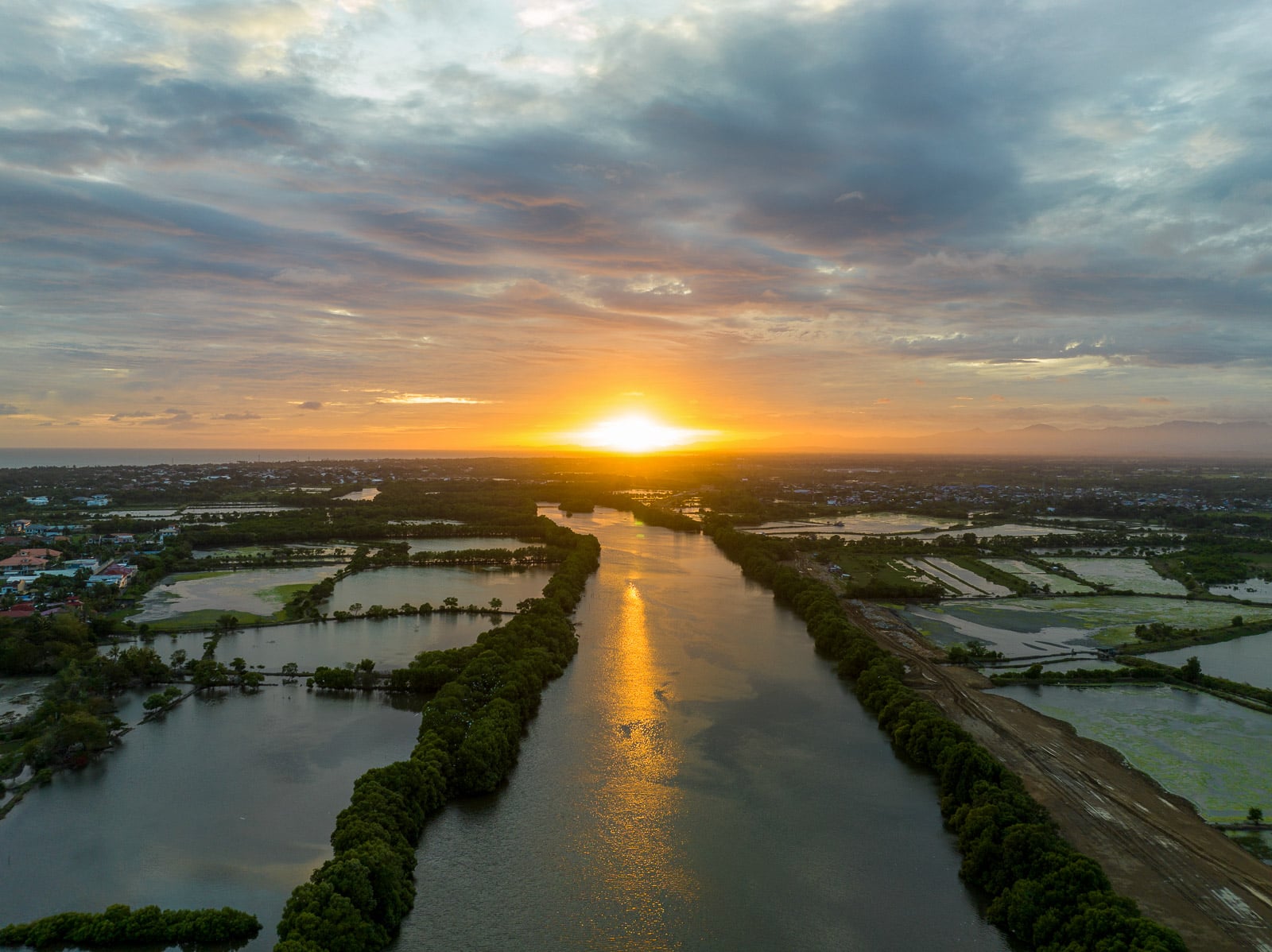
For years, many Philippine cities turned their backs on rivers and coastlines. Iloilo made a different bet. The Iloilo River Esplanade turned long sections of the riverbank into places for walking, running, cycling and meeting people. The Department of Tourism describes the network as more than nine kilometers of linear public space and connects it directly to the river’s rehabilitation.
The effect is practical. Residents do not need to buy a meal or enter a mall to spend time beside the water. Visitors get a route that explains the city’s geography better than a windshield tour can. Public access also gives people a reason to care about the condition of the river.
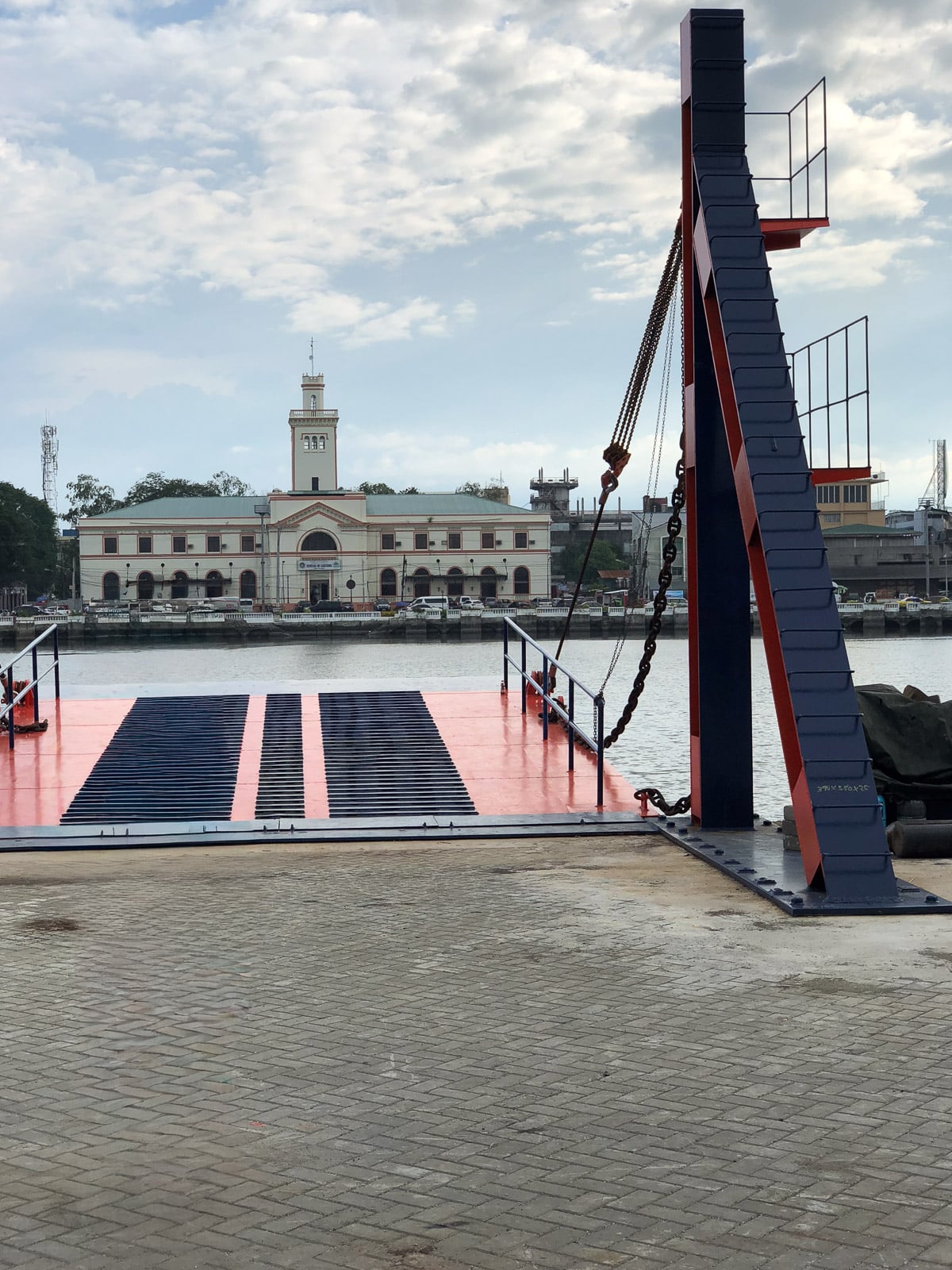
At Muelle Loney, the river is also a working transport corridor. Ferries, port activity and the Iloilo Customs House connect today’s traveler to the trade routes that helped build the city. A separate Suroy.ph Iloilo to Bacolod guide is under review for travelers choosing between the city fast craft and the vehicle RoRo route.
Modern Iloilo did not arrive in only one form
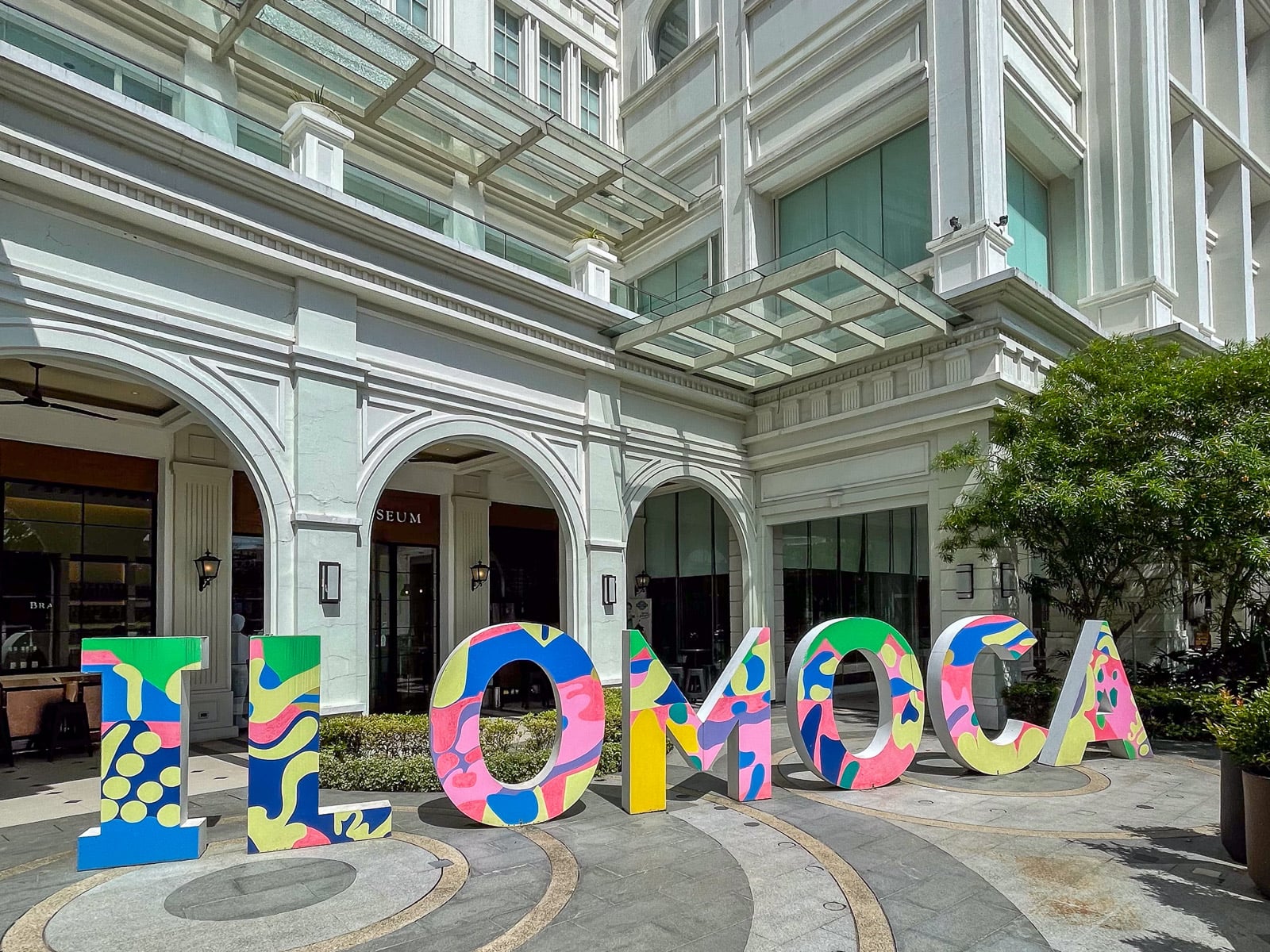
Newer Iloilo includes business districts, convention spaces, hotels, museums and housing. That growth is easy to describe only through buildings, but the more interesting change is how culture moved with it. The Iloilo Museum of Contemporary Art placed a cultural institution inside a new commercial district instead of leaving art entirely in the old center.
Food followed the same path. Batchoy, pancit Molo, KBL and local baking traditions remain part of daily identity while chefs, cafés and new restaurants reinterpret the city’s pantry. UNESCO added Iloilo City to its Creative Cities Network for Gastronomy in 2023, recognizing food as part of urban development rather than a souvenir category.
A practical Iloilo then-and-now route
You can understand much of this story in one unhurried day:
- Start in Molo. Walk around the plaza and church while the morning is cooler.
- Continue to Jaro. See the cathedral and separate bell tower, then look at how the district works around the plaza.
- Walk Calle Real. Focus on the upper façades and old commercial blocks rather than rushing between individual landmarks.
- Stop at Muelle Loney. The Customs House and port connect Iloilo’s trading past to its active ferry routes.
- End at the Iloilo River Esplanade. Sunset gives you the clearest view of why the river remains central to the city’s next chapter.
Use a taxi or ride-hailing car between districts if the heat, rain or time becomes a problem. Within each plaza or heritage cluster, walk. Carry water, but keep church visits respectful and avoid blocking worshippers or formal events for photographs.
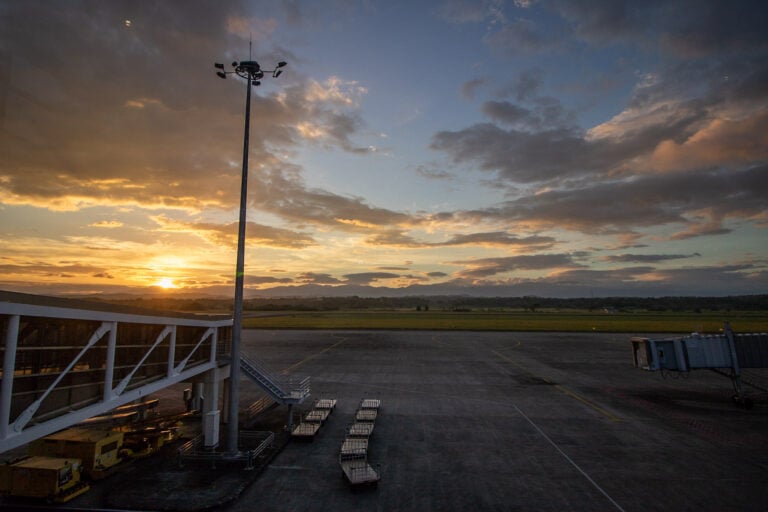
If you are arriving by air, read the Iloilo International Airport guide for city transfers and onward connections.
What Iloilo saved while it grew
No city handles growth perfectly. Old buildings still need viable uses. Traffic and development continue to pressure public space. Heritage protection requires owners, officials, businesses and residents to keep choosing maintenance over neglect.
But at 89, Iloilo offers a useful Philippine city lesson. A place can add new districts without making its old plazas irrelevant. It can turn a riverbank into common ground. It can treat food, festivals and architecture as living systems rather than decorations for an anniversary.
The city kept moving forward because enough of its past still has a job to do.

Wear the city.
Eighty-nine years a city and it still signs itself the City of Love. The print is Molo Church, twin spires under one arch, drawn the way you see it from the plaza before you walk in.
Island Series · Iloilo · ₱999