
Lost Your Philippine Passport Abroad? What to Do Next
Lost a Philippine passport overseas? Follow the first 24-hour steps, protect your visa and ask for the right replacement or emergency document.
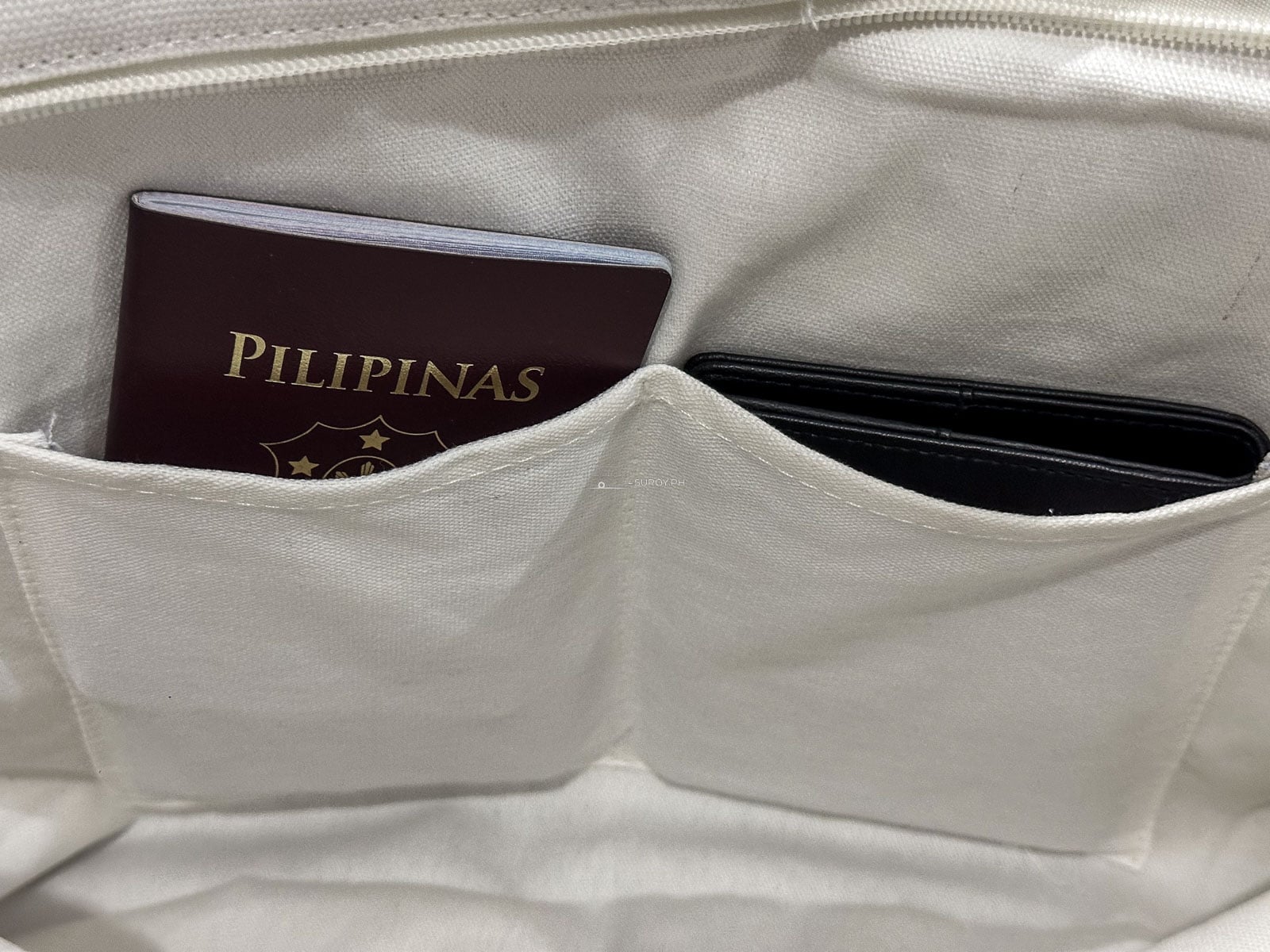
Dealing with a lost Philippine passport abroad starts with contacting the Philippine Embassy or Consulate that covers your location as soon as you are sure it is gone. Ask how to make the local report. If you are undocumented or worried that approaching local police could put you at risk, contact the Philippine post first. The passport rules exempt an undocumented migrant from submitting a police report. Do not head to the airport with only a photo of the data page. It can help prove your identity, but it is not a travel document.
OVERSEAS · REQUIREMENTS CHECKED AUGUST 16, 2026
Tell the consular officer where you are, when you must travel and every country on your route. You may need a regular replacement passport, an Emergency Passport for justified onward travel, or an Emergency Travel Certificate for an urgent return to the Philippines. The correct choice depends on your itinerary, visa status and how much time you have.
The first five things to do
- Get somewhere safe. If the passport was taken during a robbery, do not confront the thief.
- Make one controlled search. Check the hotel safe, every bag pocket, jacket, check-in desk, vehicle and the last place where you showed the document.
- Call local lost-and-found desks. Contact the hotel, airline, airport, station, restaurant, taxi or venue before assuming theft.
- Make the local report if it applies. Ask for a written police report, case number and an English version or accepted translation if the report is in another language. If you are undocumented or concerned about approaching police, ask the Philippine post first. The rules exempt an undocumented migrant from submitting a police report.
- Contact the correct Philippine post. Use the DFA foreign-service-post directory, then verify the emergency number and instructions on that post’s official website.
If you know the passport is being held by a hotel, employer, agency or government office, tell the Philippine post exactly that. Do not file a false loss report.
Your first 24 hours, in order
In the first 30 minutes
- Write down when and where you last saw the passport.
- Record whether it was lost, stolen or taken with other belongings.
- Find the passport number, issue date and expiry date in a secure digital copy if you have one.
- Save any visa, residence-permit and entry-stamp details.
- If your wallet or phone disappeared too, freeze cards and secure your email, banking and mobile account.
Within the next few hours
Contact the embassy or consulate and give the officer a compact, useful brief:
- Your full name, date of birth and present location
- Passport details or a copy of the data page
- Police-report number
- Your visa, residence or visitor status
- Your flight date and every transit point
- Whether you need to return to the Philippines or continue overseas
Call the airline before paying to rebook. Ask whether it will accept the exact document the post expects to issue, especially when the trip has a connection.
Before the day ends
Build one folder with the police report, passport copy, proof of citizenship, visa records, itinerary, insurance policy and every message from the airline and consulate. Keep a copy in secure cloud storage and another copy available offline on your phone.
Replacement passport, Emergency Passport or Emergency Travel Certificate?
The 2024 New Philippine Passport Act created two emergency documents. This is newer than many embassy web pages, which may still use the older label “Travel Document.” Describe the trip you actually need to make and ask the post what it can issue.
| Your situation | Document to ask about | Main limitation |
|---|---|---|
| You can wait abroad and need a normal passport | Regular replacement ePassport | Verification and production can take several weeks |
| You justifiably need to continue overseas travel or return to your residence abroad | Emergency Passport | Requires an existing DFA biometric record and a replacement application at the post; validity ends on return or after at most 1 year |
| You urgently need to return to the Philippines | Emergency Travel Certificate, often still called a Travel Document by posts | Valid for 30 days up to 6 months under the law and intended for return to the Philippines |
Regular replacement passport
This is the normal route if you will remain abroad and can wait. A lost passport usually requires identity and citizenship verification, a police report and an affidavit explaining the loss. Processing time varies by post and can take weeks, so do not rely on a near-term departure until the post gives you a realistic timeline.
Emergency Passport
Republic Act No. 11983 allows an Emergency Passport for a Filipino who lost a passport overseas and is justifiably required to complete the intended overseas trip before returning to the Philippines, or to return to a residence abroad. Under its implementing rules, the applicant must already have biometric data in the DFA Passport Database and must first apply for a replacement passport at the relevant Philippine foreign service post. The document is valid until the holder returns to the Philippines or to the place of foreign residence, or for up to one year, whichever comes first. It cannot be renewed or extended.
Do not assume this means same-day issuance or automatic acceptance in every country. The foreign post must assess the case, and the airline and every border or transit authority must accept the document.
Emergency Travel Certificate
The law provides an Emergency Travel Certificate for a Filipino returning to the Philippines after losing a passport overseas or when a regular passport cannot be issued. Its legal validity can run from 30 days to six months. The issuing post sets the exact validity within that range and may restrict the permitted route.
Many embassy pages still describe a 30-day, direct, one-way Travel Document. Treat that post’s written instruction as the operating rule for your document. It cannot be assumed to work for another holiday destination or a future departure from the Philippines.
The document checklist
Exact requirements, photo sizes, fees and payment methods vary. Ask the post for its current checklist before traveling across a city or country to apply.
- Police report and an accepted English translation where required
- Affidavit of Loss or explanation, signed or notarized as directed
- Passport or emergency-document application form
- Copy or photograph of the lost passport data page
- PSA birth certificate or Report of Birth when a passport copy is unavailable
- Philippine government ID and host-country residence, work, student or visitor documents
- Copy of the lost visa or an electronic visa record
- Confirmed itinerary with every connection
- Proof of urgency when requesting an emergency document
- Passport photographs in the post’s required size and quantity
- Accepted payment method and funds for translation, courier and local transport
- Travel-insurance policy number and emergency contact
What happens to the visa in the lost passport?
A new Philippine passport does not automatically restore a foreign visa, entry stamp or residence permission tied to the old passport number. Contact the host country’s immigration authority. It may need to transfer, relink or reissue the visa, record the loss, or grant an exit permit.
Your authorized stay keeps running while you solve the passport problem. Do not let a visitor pass expire because you are waiting for the consulate. Tell local immigration early if the replacement may arrive after your permitted stay ends.
A transit airport can stop the trip home
An emergency return document may be valid for travel to the Philippines and still be refused by a transit country or airline. The Philippine Embassy in Washington, for example, warns that some countries do not accept emergency travel documents even for transit.
Use a nonstop route when practical. Before paying, get confirmation from three places: the issuing Philippine post, the operating airline and the transit-country authority. Check every operating carrier on a codeshare, not only the airline name printed at the top of the booking.
A passport photocopy helps prove who you are. It does not make you document-ready to board.
If the passport turns up later
Do not travel on it. Once reported lost to the DFA or a Philippine foreign post, the passport is cancelled. The law requires a recovered passport to be turned over to the DFA. If physical turnover is not possible, ask the post how to report its location and who has it.
If an employer or agency is holding the passport
A known person holding your passport is not the same as a missing booklet. Philippine law says the passport remains government property and generally cannot be confiscated by another person or entity. Contact the post’s Assistance-to-Nationals unit. Overseas Filipino workers should also contact the Migrant Workers Office that covers the area.
Watch for people pretending to be the embassy
- Use phone numbers, email addresses and payment instructions shown on the official post website.
- Do not send money to a personal account or an unsolicited messaging-app contact.
- Do not post the police report, passport scan, birth certificate or full itinerary publicly.
- Notify the travel insurer before paying for a new flight or hotel when the policy requires prior approval.
- Do not use a fixer offering to speed up the embassy process.
A January 2026 Philippine Embassy advisory warned about callers using an embassy emblem on messaging accounts to demand money. When a message feels urgent and unusual, end the call and contact the post using the number on its official website.
Prepare before your next international trip
- Save an encrypted passport copy and a photo of the data page. Do not keep the only copy in the same bag as the passport.
- Record the passport number, issue date and expiry date in a secure password manager.
- Save the nearest Philippine post’s emergency number before crossing a border.
- Keep one Philippine government ID separate from the passport.
- Keep your passport, ID and boarding documents in an easy-to-remove pouch. Suroy.ph’s plane carry-on guide explains what should stay with you.
- Read the emergency-assistance and document-replacement sections of your travel-insurance policy.
Frequently asked questions
Can I fly home using a photocopy of my passport?
No. It can support identity verification, but it is not a valid international travel document.
Do I need a police report?
Usually. Current foreign-post checklists use a police report for a lost passport, so ask whether an English translation, authentication or a particular form is required. The implementing rules exempt an undocumented migrant from submitting one. If that applies to you, or approaching police may be unsafe, contact the Philippine post first.
Can the embassy issue a replacement on the same day?
Do not count on it. The post must verify identity, citizenship and passport records. Emergency assessment can be fast in some cases, but document production, local holidays, police records and route checks can add time.
Can I continue my vacation with an Emergency Travel Certificate?
Generally, no. The Emergency Travel Certificate is for return to the Philippines. Ask about an Emergency Passport if continued overseas travel is justified and necessary.
Can I connect through another country on the way home?
Only after the post, airline and transit-country authority confirm that the exact document will be accepted. A nonstop flight is safer when available.
What should I do before boarding and after arriving in the Philippines?
Within 72 hours before arriving in the Philippines, complete the free official eTravel registration and keep the QR confirmation available because it may be checked before boarding. After arrival, follow the issuing post’s instructions for surrendering the used emergency document and apply for a new passport before another international trip.
Update note: Requirements were checked on August 16, 2026 against Republic Act No. 11983, its implementing rules and current foreign-post guidance. Names, checklists, fees, release times and route acceptance vary. Confirm the exact process with the Philippine post that covers your location.