

Oslob Whale Shark Watching: The Rates, the Rules and the Honest Answer
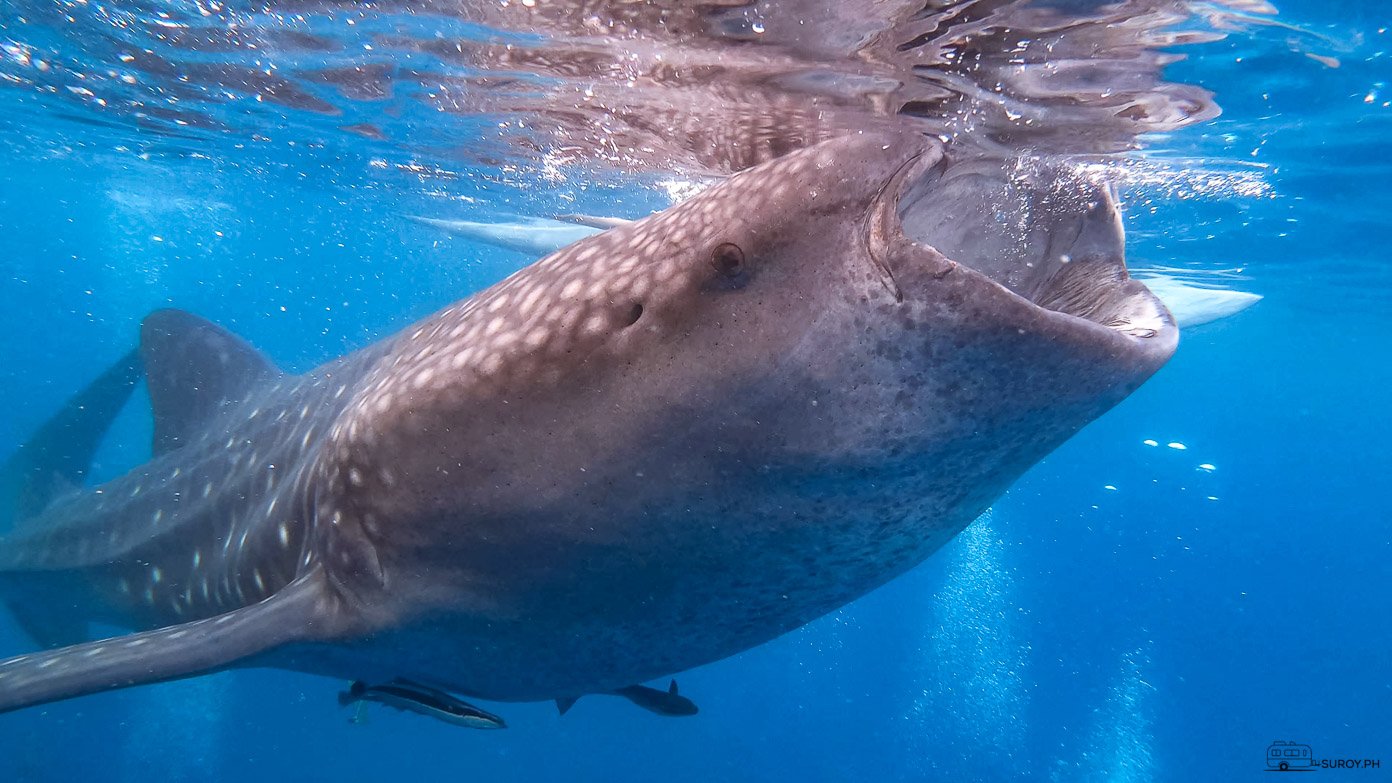
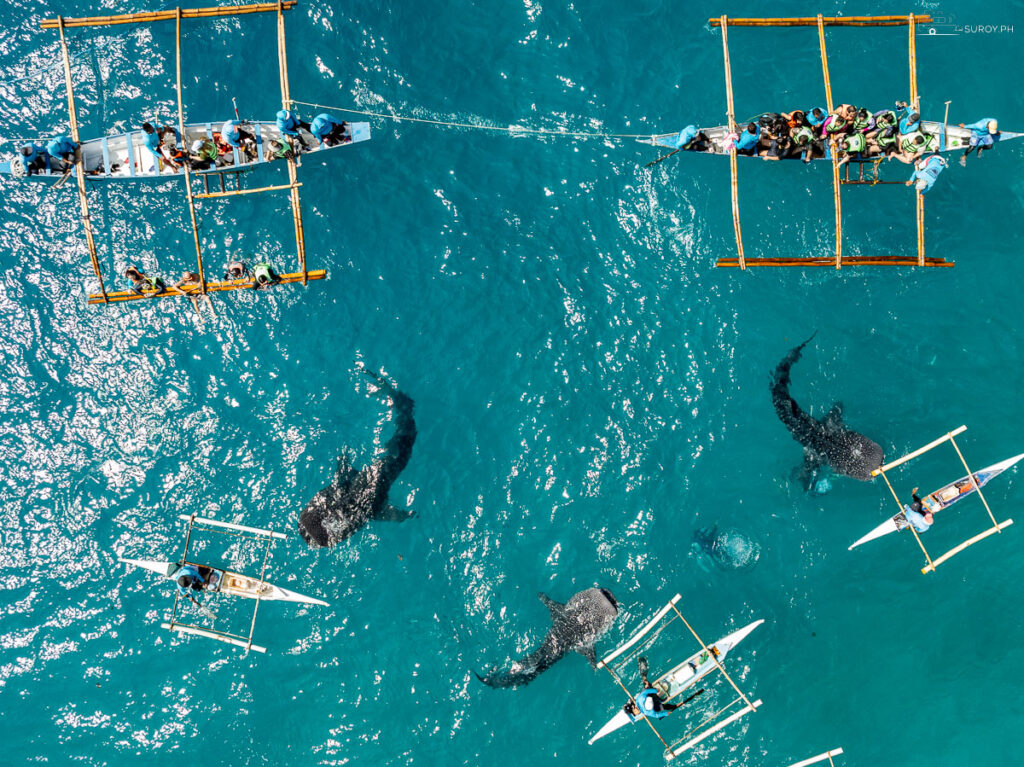
Oslob gets you closer to a whale shark than almost anywhere on earth, and it does it by feeding them. Fishermen in Barangay Tan-awan hand out shrimp from small boats each morning, the sharks come up to eat, and snorkelers float a few meters away for 30 minutes. It costs ₱500 for Filipinos and ₱1,000 for foreigners, it starts at 6 AM, and it is about four hours by bus from Cebu City.
Whether to go is a real question, and this guide answers it straight. The research is below. So are the rates, the rules and the drive.
Tan-awan, Oslob, Cebu · 9.4634° N, 123.3775° E · Checked October 26, 2026
Oslob whale shark rates 2026
| Activity | Filipinos | Foreigners |
|---|---|---|
| Snorkeling, with boat and spotter | ₱500 | ₱1,000 |
| Scuba diving | ₱1,000 | ₱1,500 |
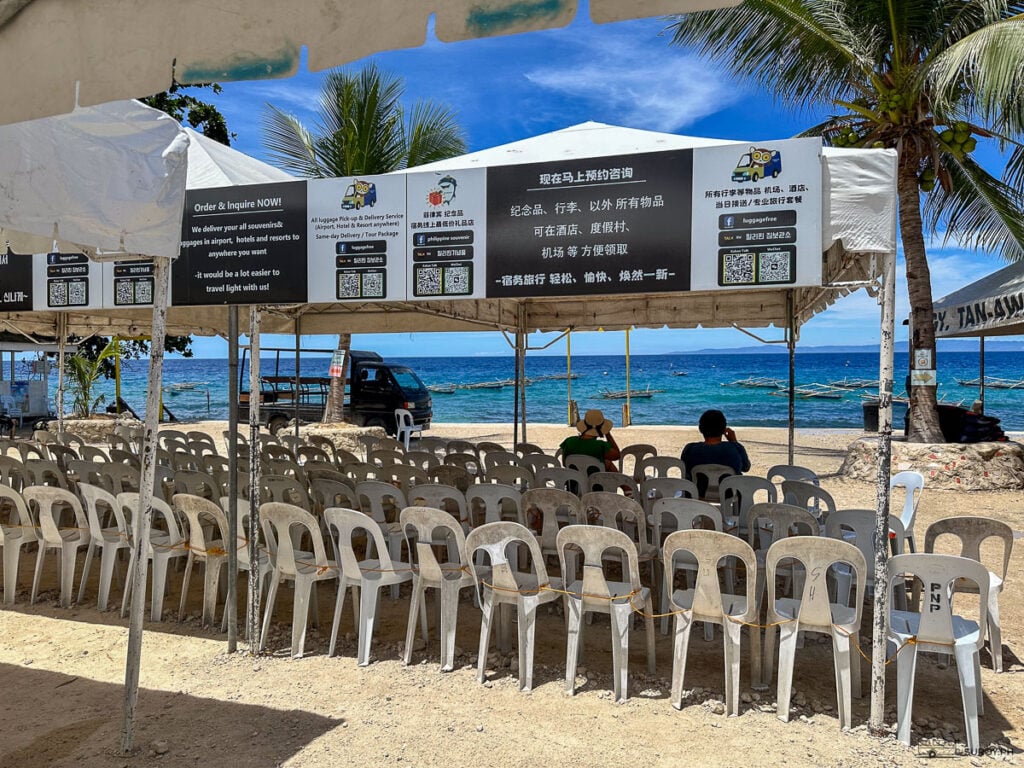
Snorkeling rates as reported by SunStar in May 2026. The diving rate is from 2025 and 2026 guides and needs advance notice; confirm it at the desk. Fins and underwater cameras can be rented on site, roughly ₱100 for fins and ₱300 to ₱500 for a camera. Bring cash.

The rules in the water
- Keep your distance. Four meters from the body, five from the tail.
- No touching, riding or chasing.
- No flash or strobes.
- No sunscreen in the water. Wear a rash guard instead.
- Thirty minutes. That is the time in the water, per group.
- Life vest on. Only the designated feeders feed the sharks, and nobody dives beneath one.
Tan-awan, Oslob · before you get in
The rule, the morning, the record
Three things worth knowing before the boat goes out. Tap one.
Four meters, five from the tailNo touching, no riding, no chasing, no flash, and do not dive under a shark. Four meters is a little more than two adults lying head to toe. The distances are to scale; the shark is not.
Be there at sixThe session runs early and ends late morning; in May 2026 the town reported 6 to 10 AM, while most guides list noon. On no-show or rough-sea days it can stop much earlier. Confirm at the desk.
93 in 100 got too closeA LAMAVE study of 358 in-water surveys from 2015 to 2017 found 93% of tourists came closer than the town’s own legal distance. Another survey put it at 97%.
Rule distances from guides citing Oslob’s ordinance; study figures from Legaspi et al. 2020. Checked October 26, 2026.


Is Oslob whale shark watching ethical?
The honest answer is that it is a trade-off, and the evidence leans against the feeding. What is documented:
- Feeding changes how long the sharks stay. A study of 208 juvenile sharks identified from 2012 to 2015 found hand-fed sharks stayed an average of about 45 days, against about 22 for sharks that were not fed there. Around 4% became year-round residents.
- Most visitors break the rules. 93% of tourists in one long-term study came closer than the legal distance.
- The sharks are heavily scarred. 95% carried scars and 28% had lacerations attributed to boat propellers, more than at whale shark sites in Australia, Mozambique and the Seychelles. Researchers have not shown that the feeding itself causes the injuries.
- The town depends on it. The program has supported 177 fisherfolk livelihoods, and in May 2026 it was drawing 800 to 900 visitors on a normal day and more than 2,000 at peaks.
In late May 2026 the sharks stopped appearing at Tan-awan for several days, and posts claiming the site had closed went viral. The Oslob tourism office said the sharks had moved toward Barangay Hagdan to feed on plankton, and that operations never formally closed. The mayor called it seasonal and said the town cannot guarantee sightings. Cebu marine scientists used the moment to call for an end to the feeding.
If you want a whale shark encounter without the feeding, the unfed aggregations at Donsol in Sorsogon and Southern Leyte run roughly from November to May, and you may see nothing. If you go to Oslob, keep the four meters, skip the sunscreen, and do not touch.
How to get to Oslob from Cebu City
- Ceres bus. From the Cebu South Bus Terminal, about ₱269 ordinary and ₱330 aircon as of May 2026, and about four hours. Get off at Tan-awan, not Oslob town proper. Fares may have risen with fuel prices. See the bus terminal guide.
- Private van. Faster, about three to three and a half hours each way, and worth it for a group. Compare in van vs commute.
- Timing. To be there at 6 AM by bus, leave Cebu City by 2 AM, or sleep in Oslob the night before.
- From Dumaguete or Siquijor. Oslob is the landing for boats from Negros; see the Cebu, Oslob and Siquijor route.
The drawbacks: an early start, a crowd of boats, sightings that are no longer guaranteed, and sessions that can stop early when the sea is rough or the sharks do not show.

Near Oslob
Most visitors pair the sharks with Tumalog Falls, a few minutes away, and Sumilon Island, home to the Philippines’ first marine sanctuary, declared in 1974. In town, the Cuartel is a coral-stone barracks the Spanish never finished. Further south and west, Inambakan Falls and Aguinid Falls are on the way round, and you can also try paragliding.
The sharks that come up to the boats at Tan-awan are juveniles, still a long way from full size. The Giants of Oslob tee draws one diving through the gold monogram.
Suroy Wear · Island Series

Giants of Oslob.
For the gentlest giants in the Cebu Strait, and the four meters between you and them. Made in Cebu. ₱999.
Wear the story
Frequently asked questions
How much is the Oslob whale shark watching fee?
₱500 for Filipinos and ₱1,000 for foreigners for snorkeling, including the boat and spotter, as reported in May 2026. Diving is about ₱1,000 and ₱1,500.
What time does Oslob whale shark watching start?
Registration opens at 6 AM. Sessions end in the late morning, reported anywhere from 10 AM to noon, and can stop earlier on rough or no-show days.
How close can you get to the whale sharks?
The rule is four meters from the body and five from the tail. Touching, riding and chasing are banned.
Can you wear sunscreen at Oslob?
No sunscreen in the water. Wear a rash guard.
Are the whale sharks always there?
Usually, but not guaranteed. In May 2026 they did not appear for several days, and the town says it cannot guarantee sightings.
How long is the bus from Cebu City to Oslob?
About four hours on a Ceres bus from the Cebu South Bus Terminal, ₱269 to ₱330 as of May 2026.