

Sumilon Island and Sandbar: The Sandbar That Moves
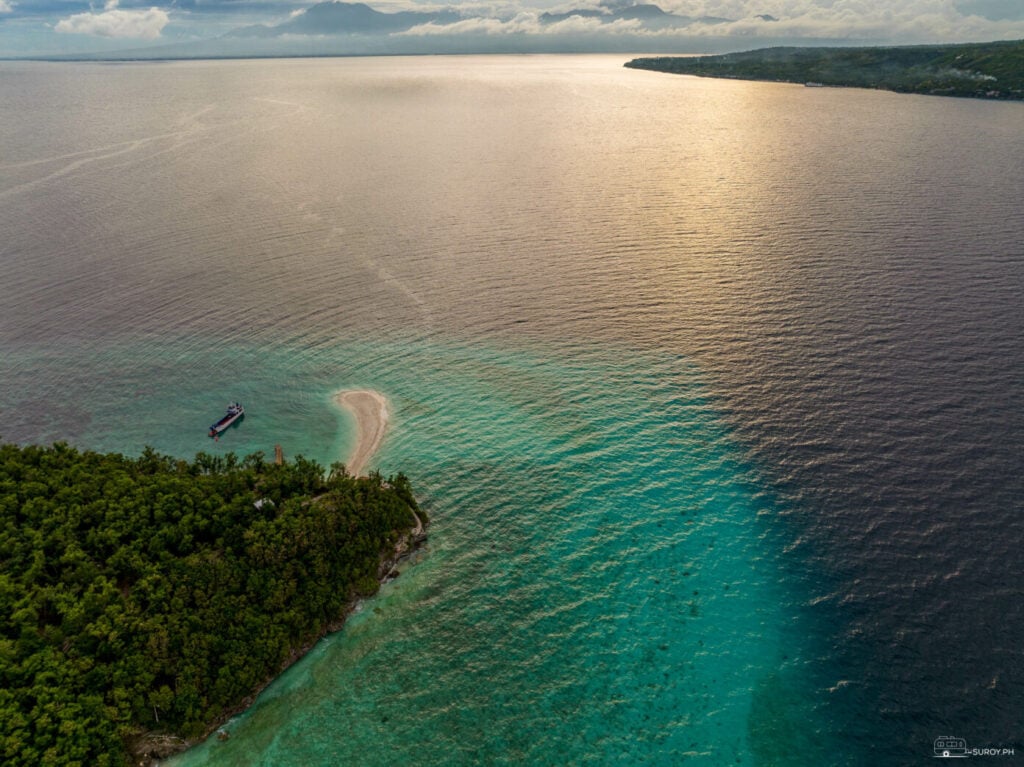
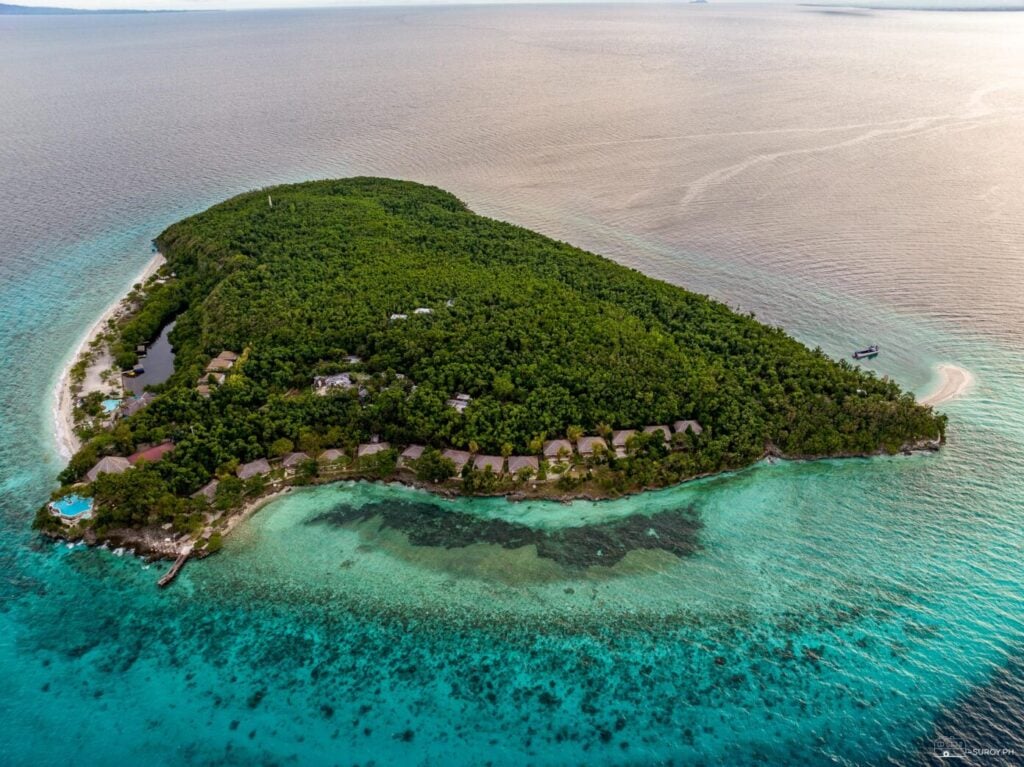
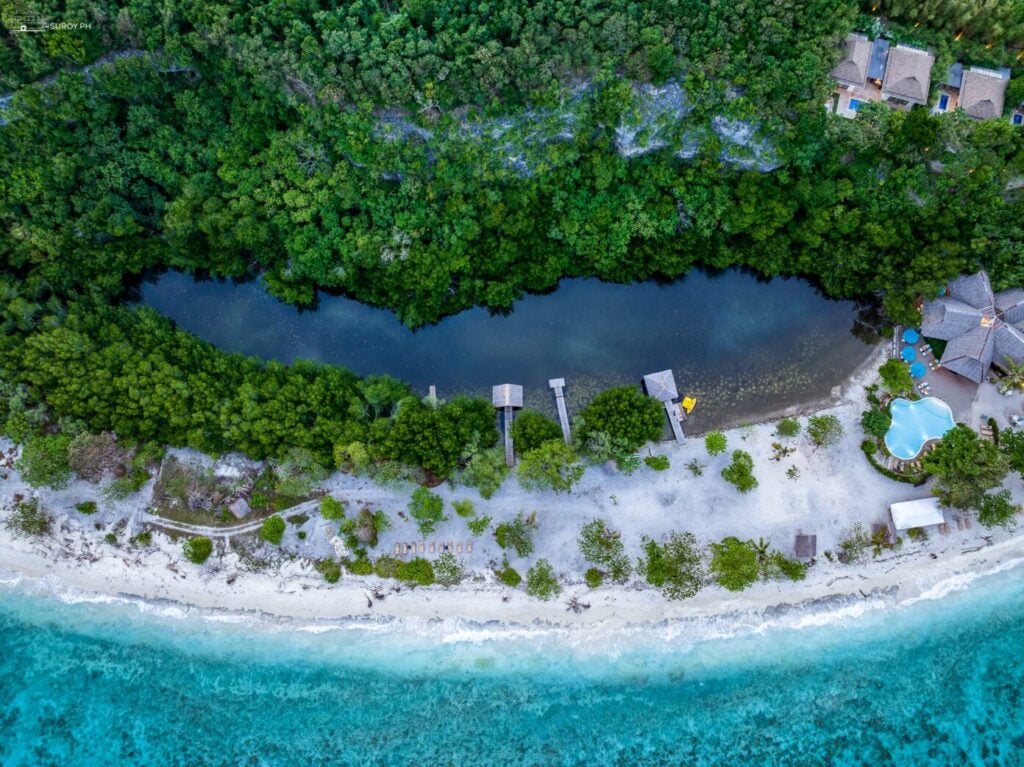
Sumilon is a small wooded island off Oslob with two ways in: the public sandbar, by a hired boat for about ₱1,500, or the Bluewater resort that leases most of the island, on a day pass. Its reef was the first marine reserve in the Philippines, set up in 1974, and fifty years of being protected, opened and protected again made it one of the best-studied reefs anywhere. The crossing from Bancogon takes 15 to 30 minutes.
Most people do it the same morning as the Oslob whale sharks: Tan-awan and Bancogon are neighboring barangays, a short drive apart, not a boat ride.
Sumilon Island, Oslob, Cebu · 9.4321° N, 123.3893° E · Checked October 27, 2026

Sumilon · the first marine reserve
Fifty years under the boat
The reef off Sumilon is one of the best-studied in the world because it was protected, opened, and protected again. Tap a year.
1974 · Protected
1974Protected
Silliman University marine scientists, with Angel Alcala, close part of the reef to fishing. It is the first marine reserve in the Philippines.
1980s · Opened
1980sOpened
In the mid-1980s the town reopens the reserve to fishing. Dynamite and muro-ami nets follow; parts of the reef are reduced to rubble and the big predators disappear.
1999 · Recovered
1999Recovered
After protection returned in the mid-1990s, large predators were back to their old size by 1999, and catches outside the reserve rose about 30%.
2021 · Odette
2021Odette
Typhoon Odette tears up the shallow coral gardens and scars the wall. A 2025 assessment found new coral growing back.
2026 · The plan
2026The plan
A 2026 to 2030 management plan cuts the daily visitor cap to 500, adds no-anchor zones and raises the sanctuary fees.
History from the Russ and Alcala studies, the Magsaysay Award citation and VERA Files, October 2026.
The sandbar that moves
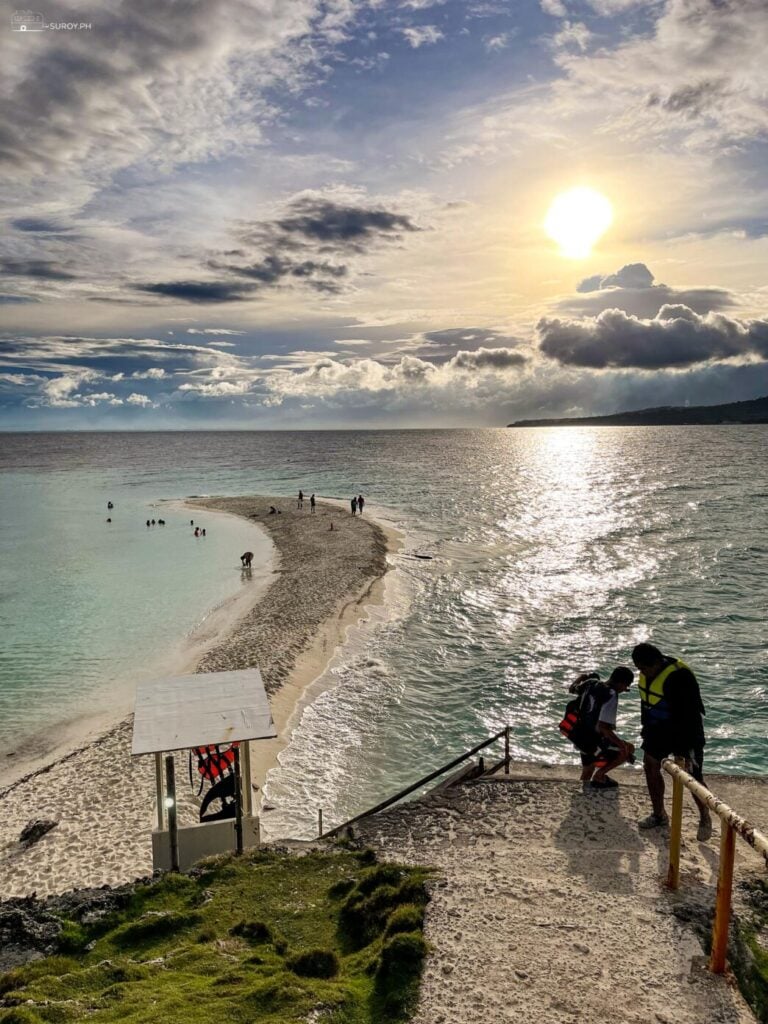
The sandbar changes shape and position around the island through the year, and the tide decides how much of it is out of the water. More sand shows at low tide; check a tide table before you choose your crossing. It has no shade.
The public sandbar and the sanctuary around it are run by the Bangcogon Oslob Fishermen Association for the town, with the fees shared between the municipality, the barangay and the association. The resort does not manage it. The sandbar is closed for cleanups on some Wednesdays; sources disagree on whether it is every week or once a month, so ask at the port.
Sumilon fees and boats
| Item | Price | Notes |
|---|---|---|
| Public boat from Bancogon | ₱1,500 | Per boat, about 10 people |
| Sanctuary fee | ₱50 to ₱100 | ₱50 in 2025 and early 2026; the 2026 to 2030 plan sets ₱100 |
| Snorkeling, under the 2026 plan | ₱500 | Not yet confirmed as in force |
| Bluewater day pass | From about ₱2,000 | Per person in 2025 listings, plus ₱500 on weekends and holidays |
A new sanctuary management plan for 2026 to 2030 raises the fees, cuts the daily visitor cap to 500 and adds no-anchor zones. Which parts are in force yet could not be confirmed online; check at the Bancogon port.
The Bluewater day pass
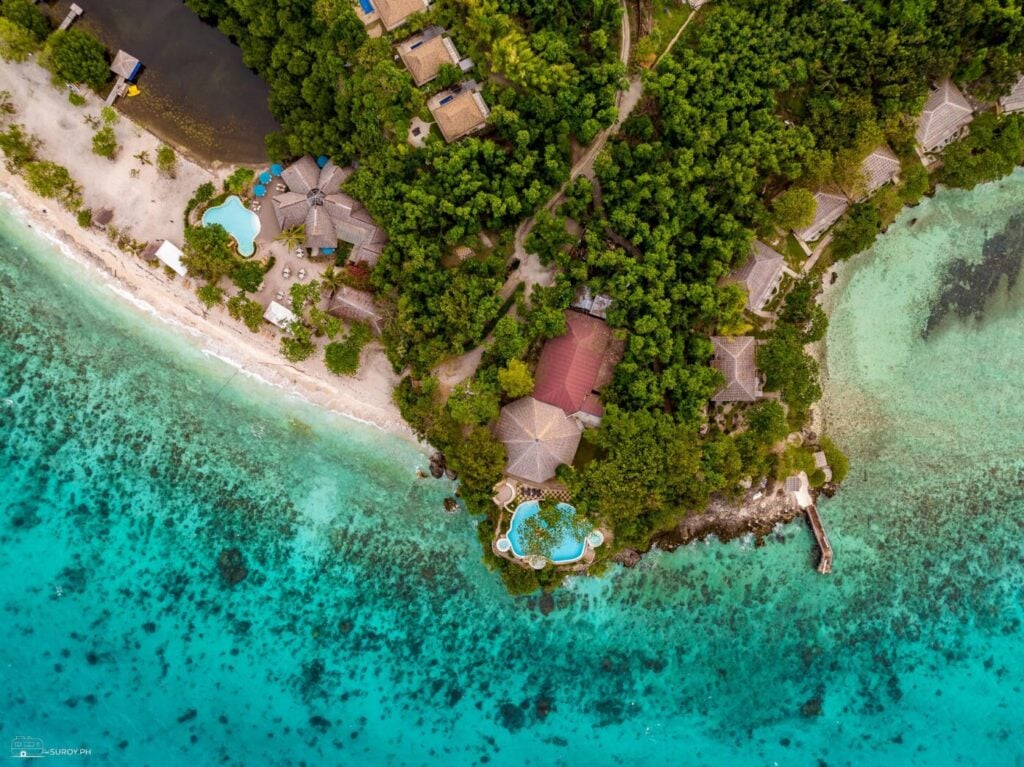
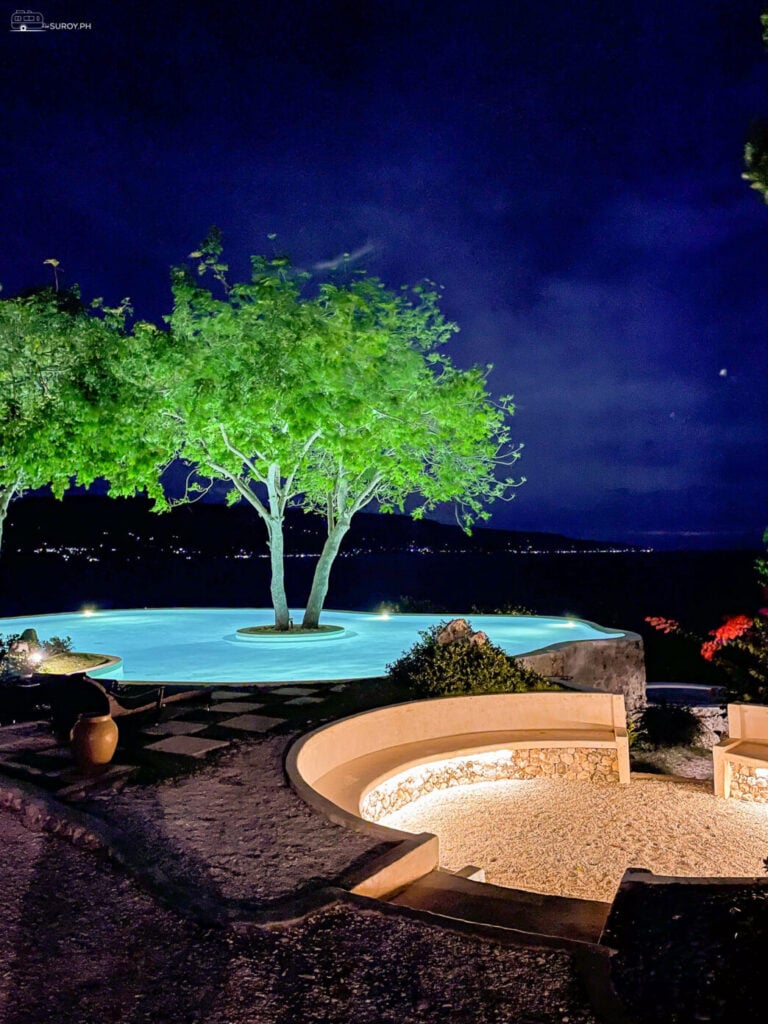
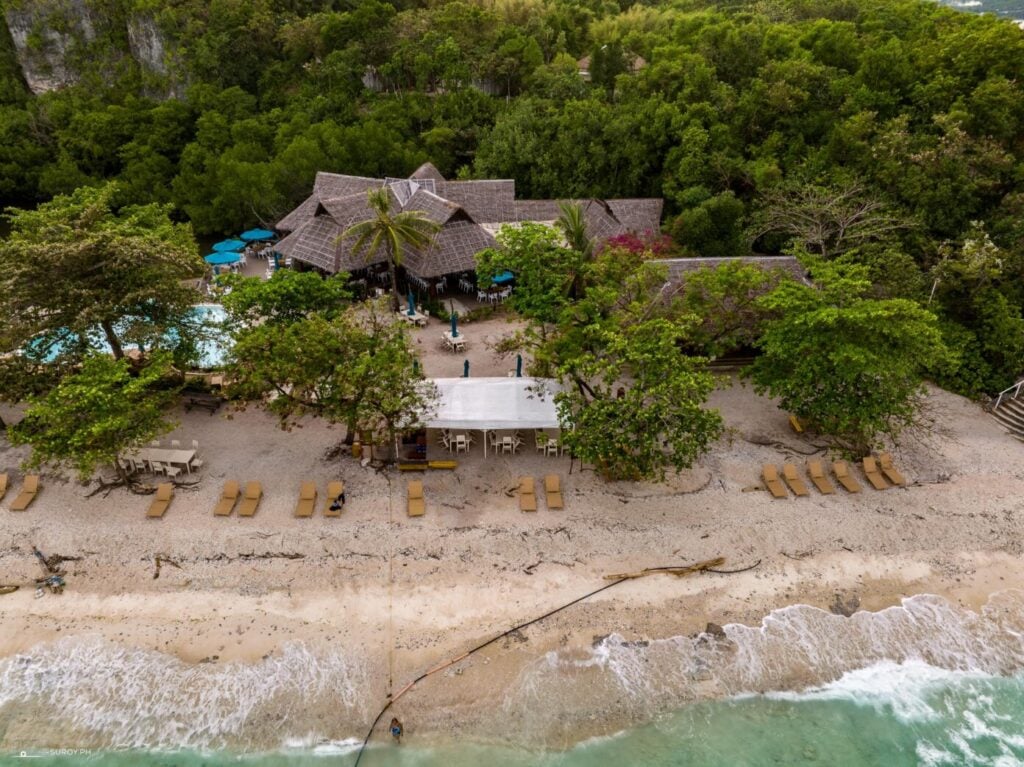
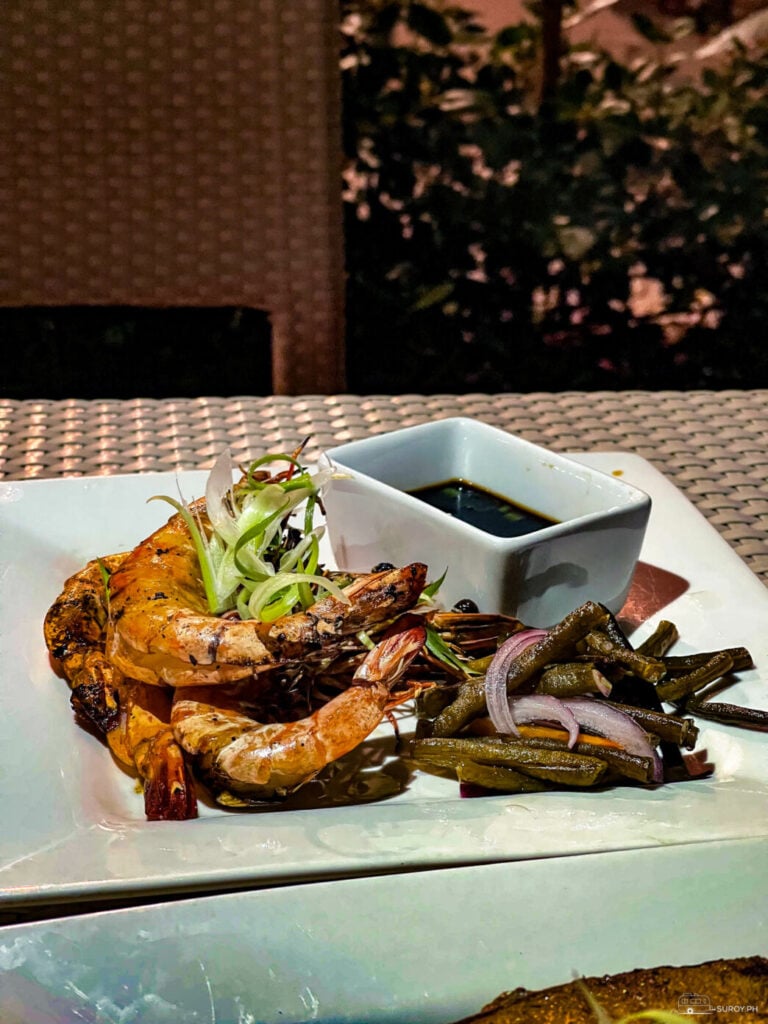
Bluewater Sumilon leases 17 of the island’s 24 hectares. Its day pass runs from 8 AM to 3 PM with the resort boats from its own pier in Bancogon. In 2025 listings it included the pools (the infinity pool only until noon), the beach and sandbar, a mask and snorkel, kayaks and pedal boats in the lagoon, and a guided trek; weekdays came with food credit and weekends with a buffet lunch. Prices differ by seller, so book with the resort directly.
The first marine reserve in the Philippines
In 1974 Silliman University’s marine laboratory, led by Angel Alcala, persuaded Oslob to close part of Sumilon’s reef to fishing. When protection broke down in the mid-1980s and fishing resumed, dynamite and muro-ami nets reduced parts of the reef to rubble and the big predatory fish vanished. Protection returned in the 1990s; by 1999 large predators were back to their old size, and catches outside the reserve were about 30% higher. The lesson Alcala drew, that communities have to manage their own reserves, shaped Apo Island and much of what followed. He received the Ramon Magsaysay Award in 1992 and died in 2023.
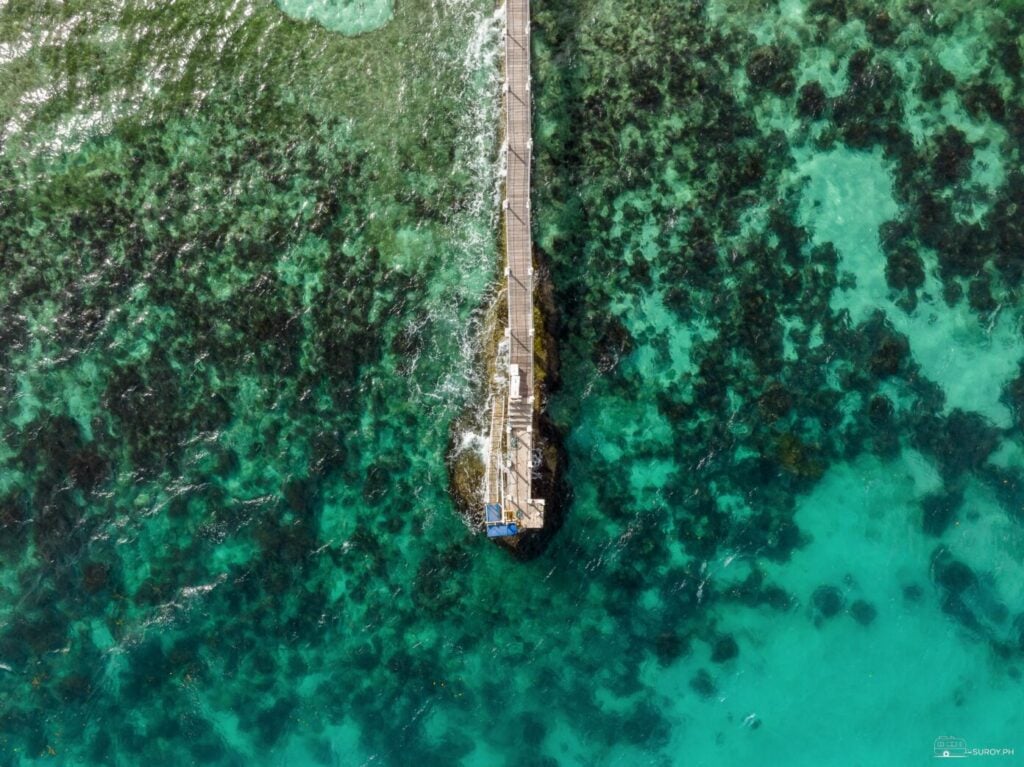
Typhoon Odette damaged the shallow coral gardens in 2021, and a 2025 assessment found new coral growing back. The sanctuary now covers about 40 hectares. Blacktip reef sharks use the shallows around it.
What else is on the island
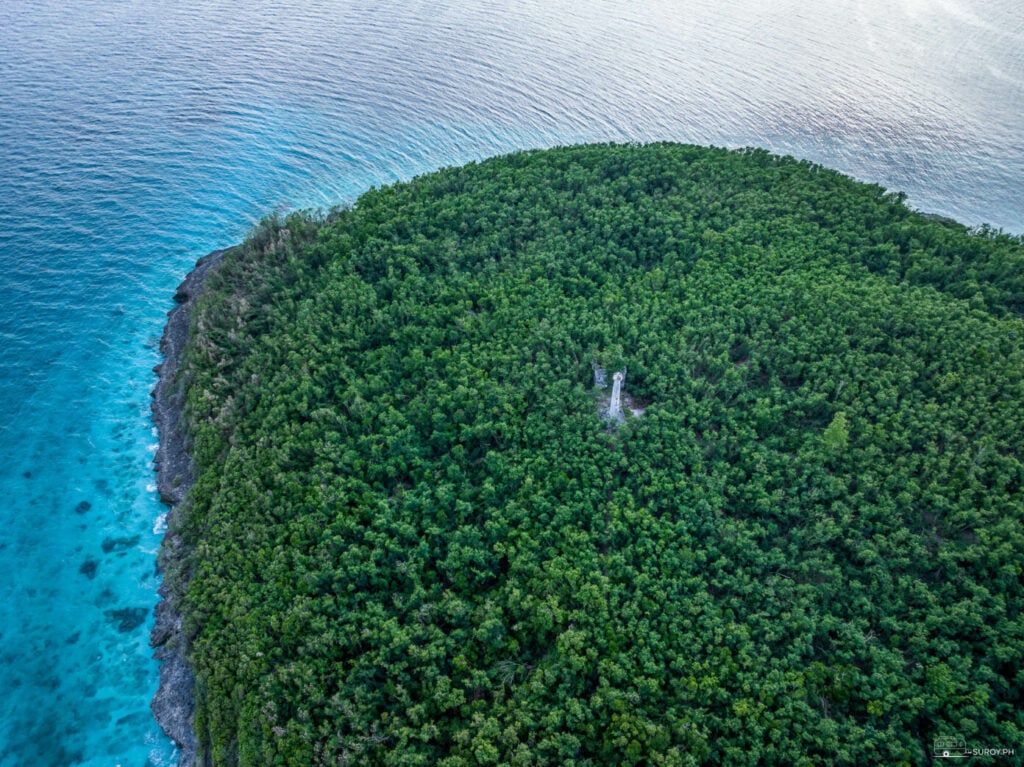
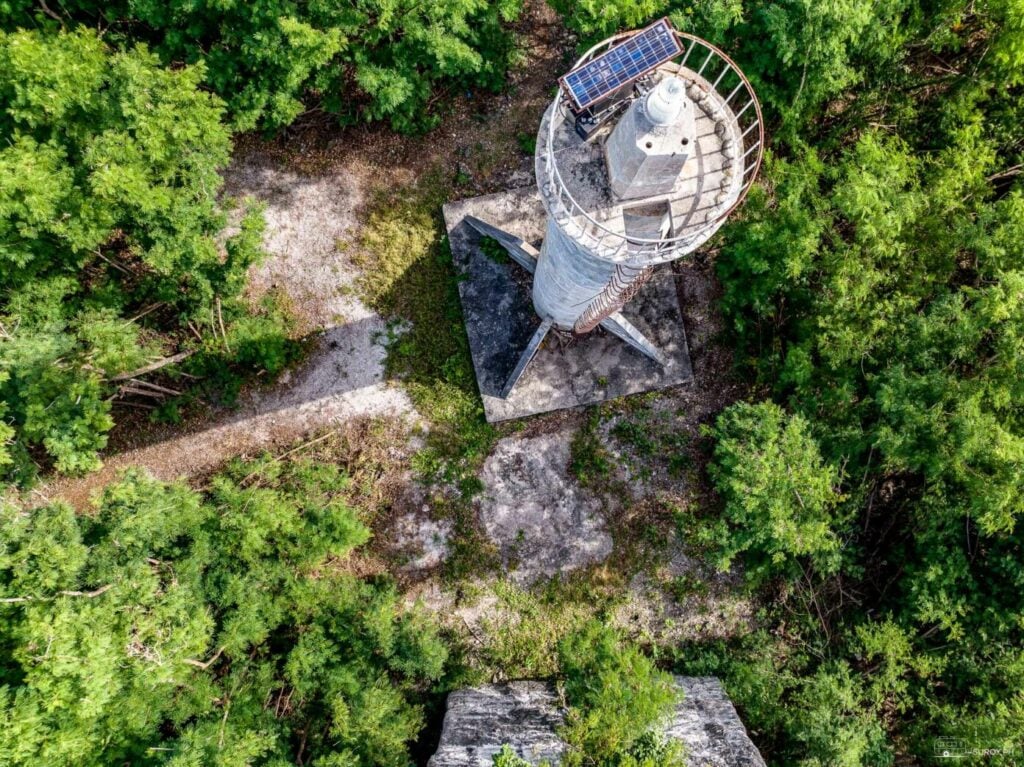
- The lighthouse. On the south side, in a protected stand of trees, next to the ruins of a 19th-century watchtower built against raiders.
- The caves. Natural caves where fishermen once sheltered. Stories of hidden treasure are local legend.
- Snorkeling and diving. The reef wall off the island is a known dive site; sanctuary fees apply.
How to get to Sumilon
- From Cebu City. About 125 km, three to four hours south by car, longer by Ceres bus from the Cebu South Bus Terminal. Get off at Bancogon, Oslob.
- From the whale sharks. Tan-awan is the next barangay; a short ride by tricycle or car.
- The crossing. 15 minutes in calm weather, up to 30 in the rainy season.
- Bring. Cash, water and sun protection. Do not collect shells or coral; it is a marine protected area.
The drawbacks: the public sandbar has no shade or facilities, the resort day pass is the comfortable option and priced like it, the fees are in transition, and the sandbar can be closed on a cleanup Wednesday.
Near Sumilon
Tumalog Falls is minutes from Tan-awan. In Oslob town, the Cuartel is a Spanish barracks left unfinished, and further round the coast are Inambakan and Aguinid. Oslob is also the crossing point for the boats to Siquijor.
Sumilon is the place that showed a protected reef pays back the fishermen around it. The Protect What Lies Beneath tee is for exactly that.
Suroy Wear · Tidal Hope

Protect what lies beneath.
For the first reef in the country that someone decided to leave alone. Made in Cebu. ₱1,099.
Wear the story
Frequently asked questions
How much is the boat to Sumilon Island?
About ₱1,500 per boat from Bancogon, Oslob, for up to about 10 people, plus the sanctuary fee.
Can you go to the Sumilon sandbar without staying at Bluewater?
Yes. The public sandbar is run by the local fishermen’s association, and accredited boats take visitors there. The resort side needs a day pass.
How much is the Bluewater Sumilon day pass?
From about ₱2,000 per person in 2025 listings, plus ₱500 on weekends and holidays, 8 AM to 3 PM. Confirm with the resort.
Is Sumilon near the Oslob whale sharks?
Yes. Bancogon and Tan-awan are neighboring barangays, a short drive apart.
Why is Sumilon famous?
It was the first marine reserve in the Philippines, set up in 1974, and its collapse and recovery became proof that protected reefs help nearby fisheries.
Is the Sumilon sandbar open every day?
It is closed for cleanups on some Wednesdays. Check at the port.