Newsletter Subscribe
Enter your email address below and subscribe to our newsletter



 ByPat
ByPatWhen it comes to Filipino cuisine, one dish stands out as a national treasure: lechon. And there’s no place in the Philippines more famous for this succulent, crispy roast pig than Cebu. Known for its unique flavor and impeccable preparation, Cebu lechon has become synonymous with celebrations and feasts, delighting locals and tourists alike. In this ultimate guide, we’ll explore the history, preparation, and best places to enjoy Cebu lechon.
Lechon, derived from the Spanish word for “roast,” has deep roots in Philippine culture and history. Cebu lechon, in particular, has gained legendary status for its distinct flavor and cooking method. The tradition of roasting whole pigs over an open fire dates back centuries, with techniques passed down through generations. Cebuano lechoneros (lechon makers) have perfected the art, creating a dish that’s crispy on the outside and juicy on the inside, with a flavor that sets it apart from other regional variations.
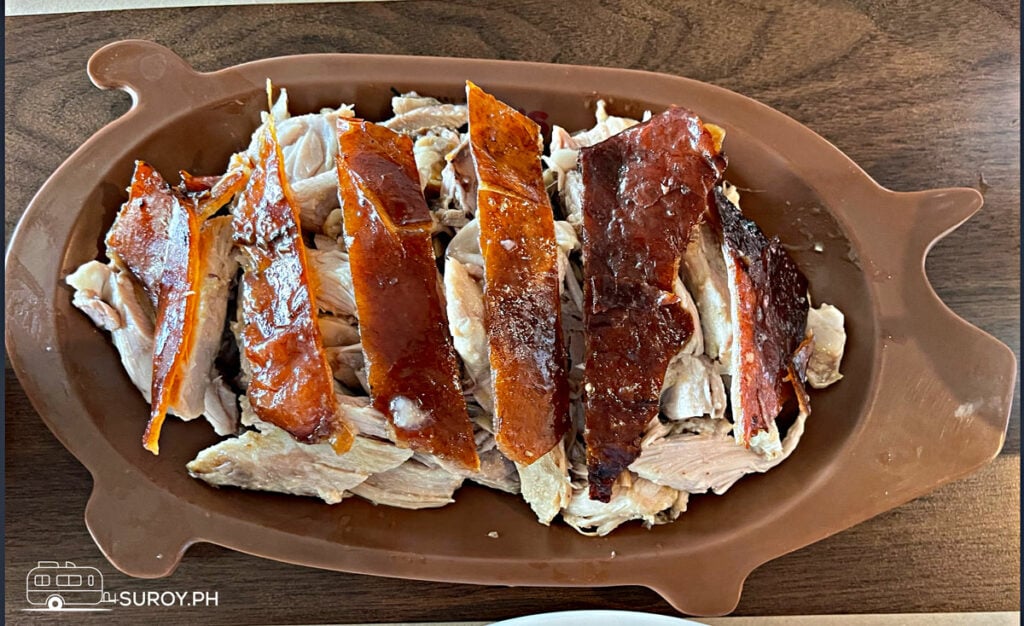
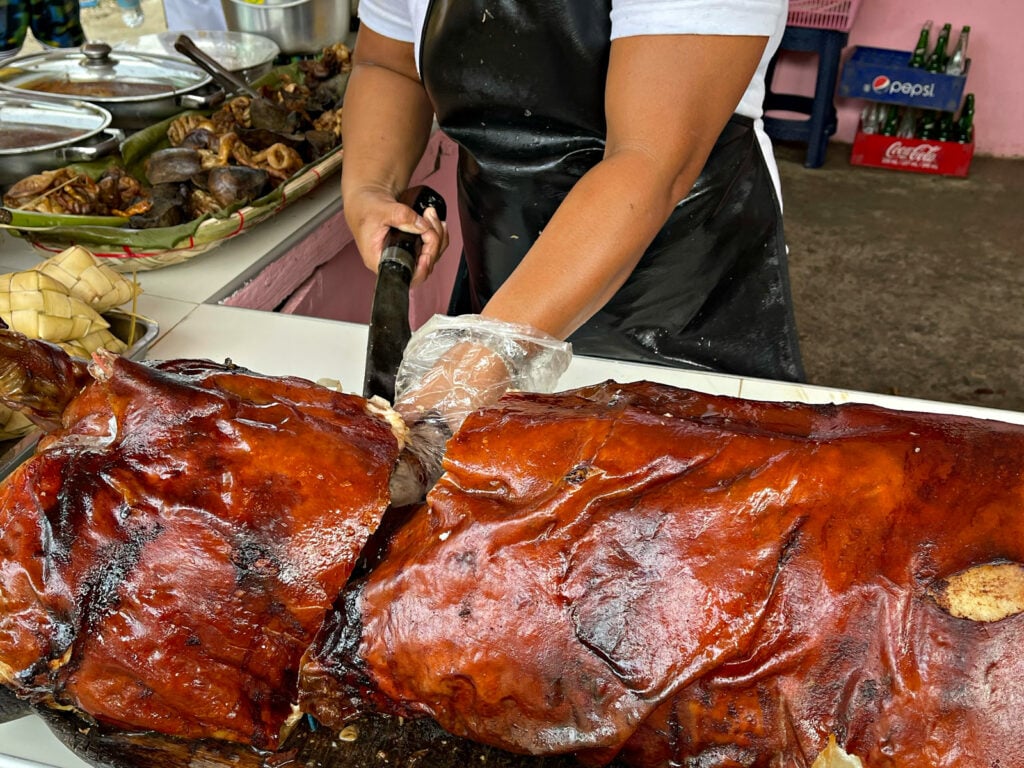
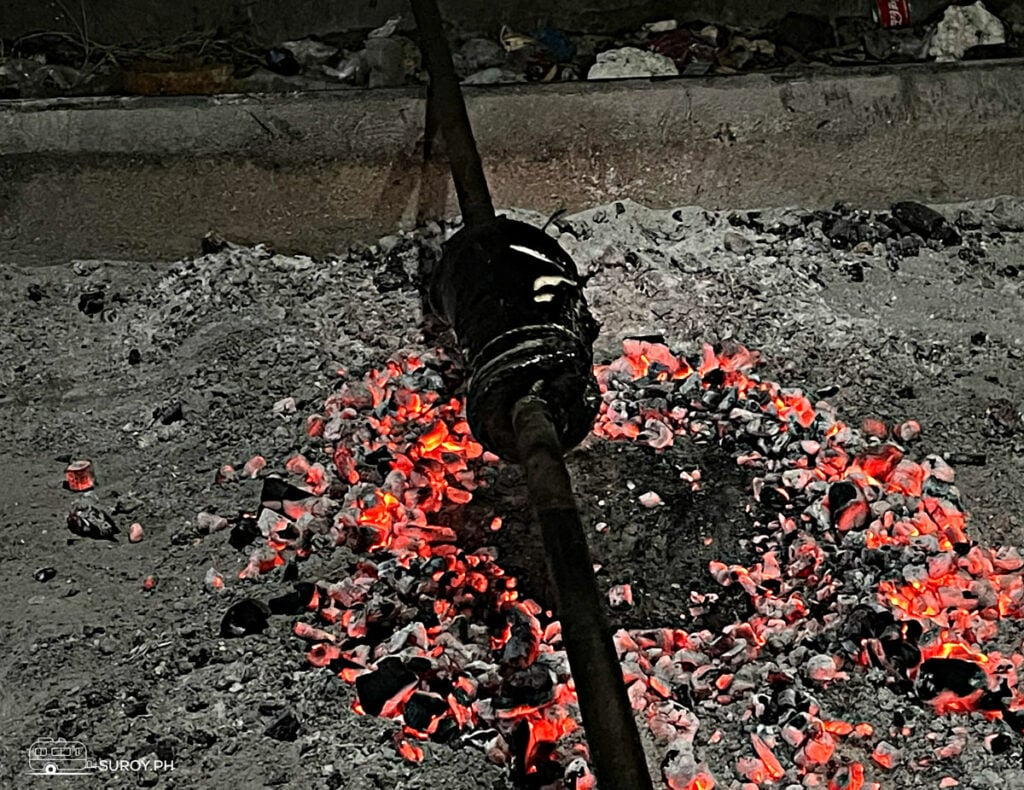
The secret to Cebu lechon’s distinct taste lies in its preparation. Here are the key elements that make it unique:
Cebu lechon is known for its flavorful marinade and stuffing. The pig is stuffed with a mixture of local herbs and spices, such as lemongrass, garlic, onions, salt, and pepper. Some variations also include leeks, star anise, and other aromatic ingredients. This stuffing infuses the meat with a rich, savory flavor that permeates every bite.
The pig is skewered on a bamboo spit and roasted over an open fire for several hours. The slow roasting process ensures the skin becomes incredibly crispy while the meat remains tender and juicy. The lechoneros continuously rotate the spit, basting the pig with its own drippings to enhance the flavor and achieve an even roast.
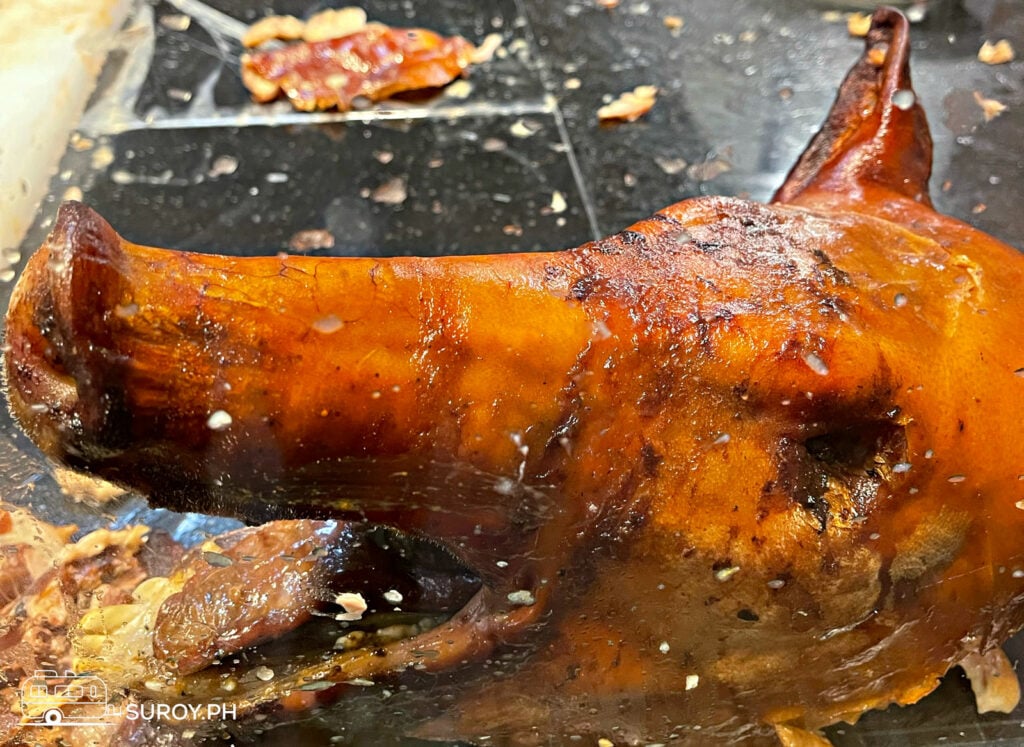
One of the most prized features of Cebu lechon is its crispy skin. The careful roasting technique and the use of specific spices and herbs create a crunchy and flavorful skin. It’s so well-loved that many people consider the skin the best part of the lechon.
Danao, the province north of Cebu, has spiced its lechon a little by adding squid ink to the famous delicacy. The black lechon is slowly becoming a favorite due to its unique color and taste.
While lechon is beloved throughout the Philippines, regional variations offer unique takes on this classic dish. Cebu lechon and Manila lechon are two of the most popular versions, each with distinct characteristics:
You may read our humourous article about the differences between Manileños and Cebuanos.
Lechon pricing in Cebu is really two markets wearing the same name, and almost every guide online quotes only one of them. There is market lechon, sold by the kilo off a chopping board in Carcar or Talisay. And there is branded lechon, the Rico’s and Zubuchon tier, which you order by the box or the whole pig. The gap between them is not small. Rates below were checked in July 2026, and lechon has been getting more expensive every year, so treat them as a floor rather than a promise. Here’s a general idea of lechon prices in Cebu:
These approximate prices can vary based on the lechon vendor and the specific region within Cebu. It’s always best to contact the vendor directly for the most accurate pricing and inquire about any special packages or promotions they may offer.
If Cebu’s lechon holds a special place in your heart (or stomach), now you can wear that love proudly.
Introducing the Lechon Club Tee by Suroy Wear. A playful yet meaningful shirt from Suroy Wear’s Island Series, made for those who believe lechon isn’t just food — it’s tradition, identity, and barkada bonding rolled into one crispy bite.
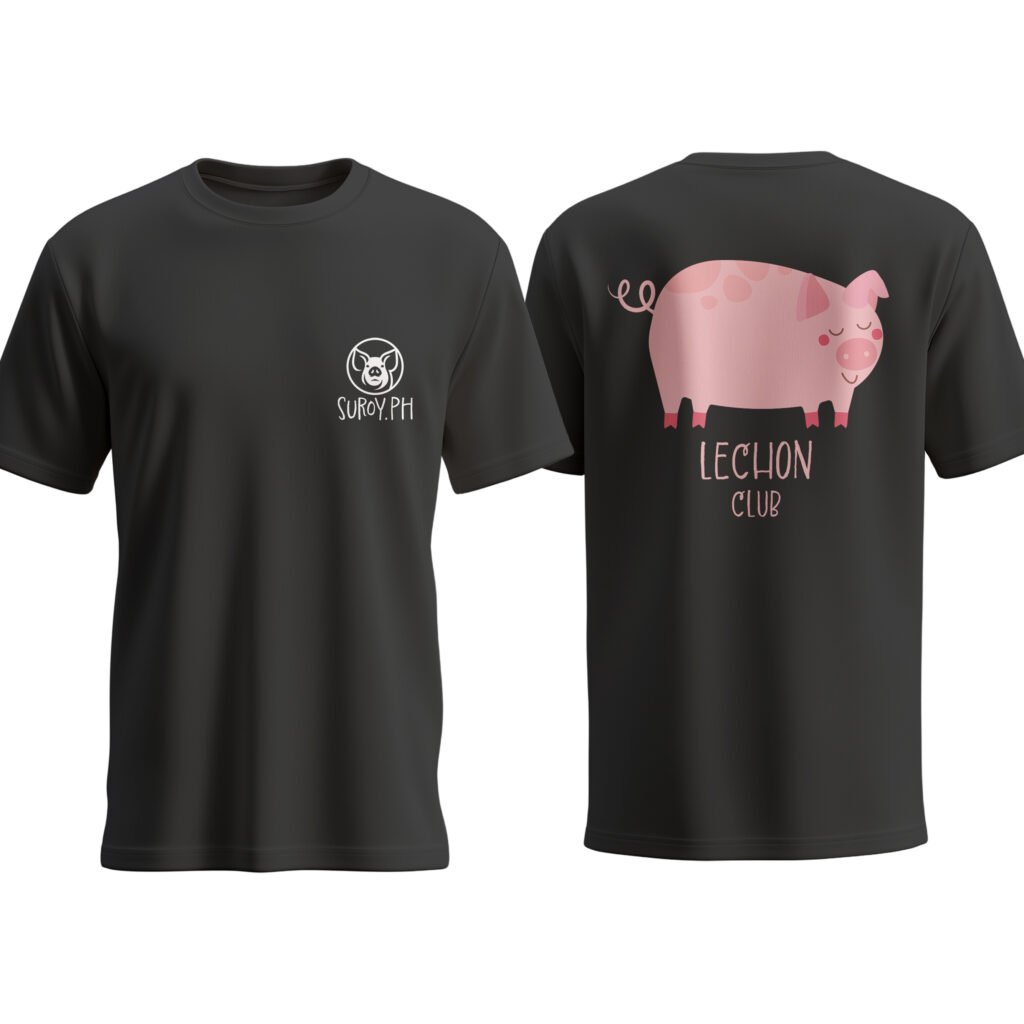
Proudly crafted in Cebu, this shirt features a smiling lechon design on the back and the bold Suroy pig seal on the front — your badge of flavor and hometown pride.
Each order comes with a free Lechon Club sticker (while supplies last).
Check out the Lechon Club Tee here and bring home a piece of Cebu you can wear.
Ask two Cebuanos where the best lechon is and you will get an argument, not an answer. It is almost always Carcar against Talisay, and the two are not chasing the same thing.
Saltier. Louder. Heavily seasoned, deeply savoury, skin like glass. Carcar lechon is confident enough to be eaten with nothing on it, and Carcareños will tell you sauce is an insult. You buy it at the public market, by the kilo, off a board, standing up. Roughly PHP 200 to PHP 450 a kilo at the market stalls, more at the named shops. It is about 40km south of Cebu City, which is exactly why it tastes like a road trip.
Milder, sweeter at the edges, and closer to town. Talisay is where Cebu City people go when they want lechon without committing to the drive. The food park strip makes it easy, and the price sits in a similar band, roughly PHP 250 to PHP 500 a kilo depending on the stall.
If it is your first lechon in Cebu, go to Carcar and eat it at the market with your hands and a bag of puso. Not because it wins on some scorecard, but because the version of it that ends up in a restaurant box in the city has already lost the part that makes it worth writing about. Talisay is the better answer on a Tuesday. Carcar is the better answer to the question you are actually asking.
And if you want it delivered to a table with air conditioning and a menu, that is what Rico’s and Zubuchon are for, and there is nothing wrong with that either.
Cebu is home to many renowned lechon establishments, each offering their unique take on this beloved dish. Here are some of the top places to enjoy this Cebuano staple:
Rico’s Lechon is a household name in Cebu, known for its perfectly roasted pigs and delicious flavors. They offer both original and spicy variants, catering to different taste preferences. With multiple branches across Cebu and even in Manila, Rico’s Lechon is a must-try for any lechon enthusiast.

Zubuchon gained fame after being featured by celebrity chef Anthony Bourdain, who called it the “best pig ever.” Known for its premium-quality lechon, Zubuchon uses only native pigs and a unique blend of herbs and spices. Their lechon is cooked without MSG, making it a healthier option without compromising on taste.
CNT Lechon is another popular spot for authentic lechon. Their lechon is known for its rich flavor and crispy skin. CNT Lechon has several branches across Cebu, making it accessible to locals and tourists alike. They also offer lechon by the kilo, perfect for those who want to enjoy this delicacy in smaller portions.
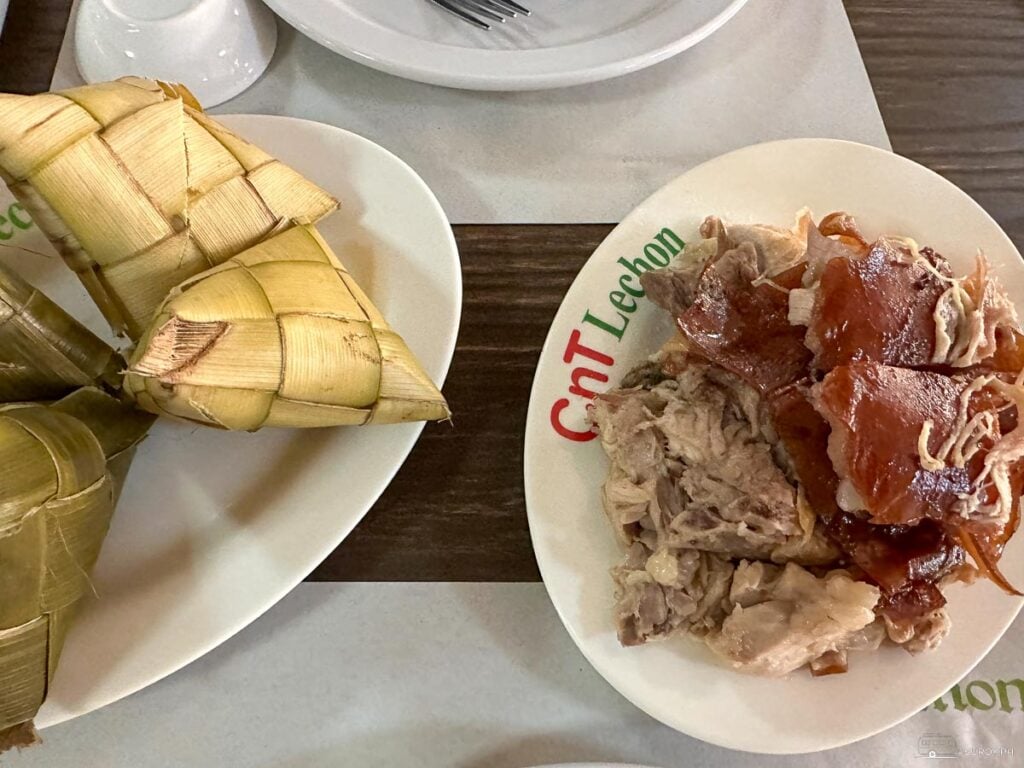
Ayer’s Lechon is famous for its delectable lechon with a hint of lemongrass and other spices. They offer a variety of lechon packages, including whole lechon, lechon belly, and lechon manok (roast chicken). Ayer’s Lechon is a great choice for parties and special occasions.
For a more traditional experience, visit the Carcar Public Market, where several stalls sell freshly roasted lechon. Carcar is a town in southern Cebu known for its lechon heritage. The market offers a rustic and authentic experience, allowing you to enjoy lechon straight from the source.
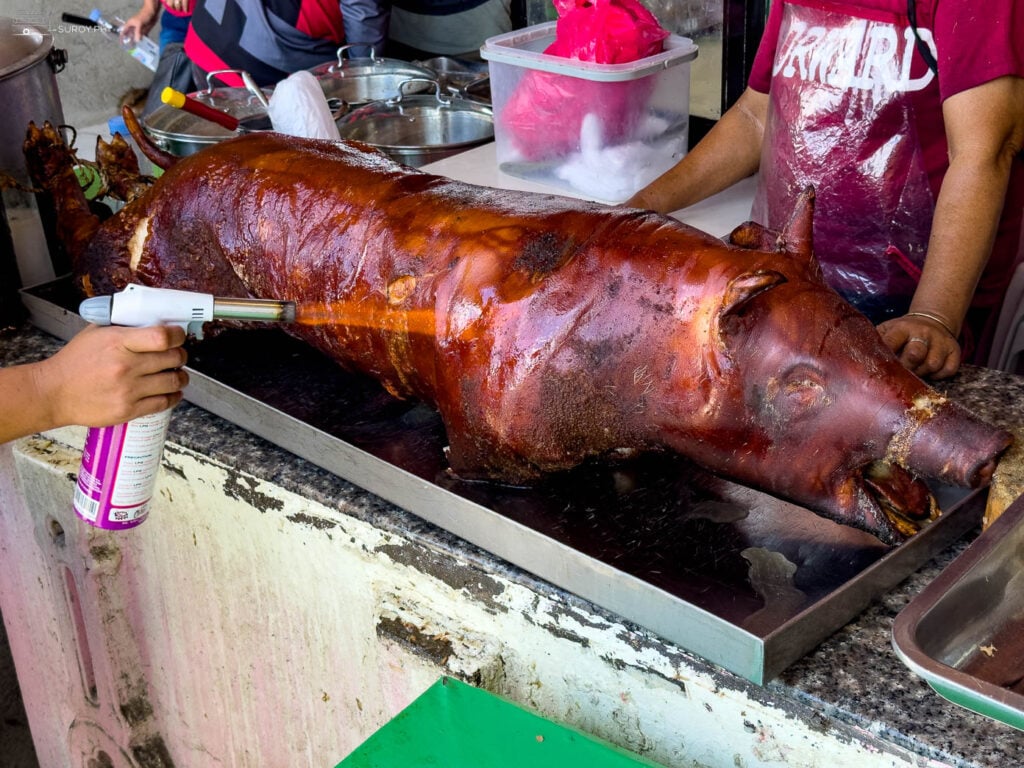
House of Lechon is a popular dining spot in Cebu, celebrated for its traditional Cebuano lechon. They offer a cozy ambiance and a variety of dishes that complement their signature lechon. Located in the heart of Cebu City, House of Lechon is a convenient and delicious choice for both locals and visitors.
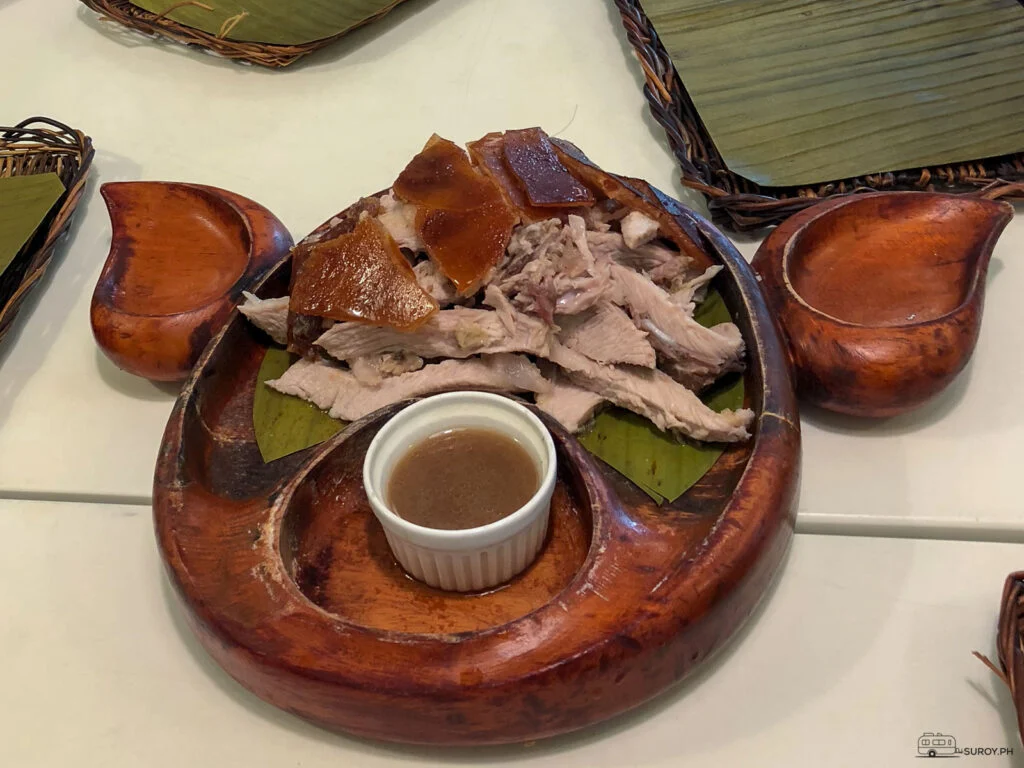
Sugbo Mercado, Cebu’s premier food market, is a great place to sample a variety of local delicacies, including lechon. Several vendors at Sugbo Mercado offer different styles of lechon, providing an opportunity to taste and compare various flavors in one location. The busy market atmosphere adds to the overall dining experience.
Cebu lechon is typically enjoyed with various side dishes and dipping sauces. Here are some popular accompaniments:
Puso is rice wrapped in coconut leaves and boiled to perfection. It’s a common accompaniment to Cebu lechon, providing a convenient and tasty way to enjoy rice with your roast pig.
While Cebu lechon is flavorful enough on its own, some people enjoy it with a side of lechon sauce. Cebuano lechon is usually served with a simple sauce made from soy sauce, vinegar, and calamansi (Philippine lime).
Atchara is a sweet and tangy pickled papaya dish that balances the rich flavors of lechon. It’s a refreshing side dish that complements the savory roast pig perfectly.
Roughly PHP 200 to PHP 450 a kilo at the Carcar and Talisay markets, and roughly PHP 400 to PHP 800 a kilo from branded shops like Rico’s, Zubuchon or CNT. A whole pig runs from about PHP 8,000 for a small one up to PHP 18,000 for extra large. Prices checked July 2026 and they rise most years.
Because it is seasoned on the inside. Cebu lechon is stuffed with lemongrass, garlic, onion, star anise and whatever else the roaster swears by, so the flavour is in the meat rather than poured over it. Manila lechon is generally roasted plain and served with a liver sauce that does the work. Anthony Bourdain called Cebu’s the best pig in the world, and the reason he gave was that it needed no sauce at all.
Carcar is saltier and more heavily seasoned, and locals will tell you it needs no sauce. Talisay is milder and closer to the city. Neither is wrong. If it is your first time, drive the 40km to Carcar and eat it at the market with your hands.
In Cebu, not really, and offering sauce in Carcar will get you a look. Elsewhere in the Philippines the liver-based sarsa is standard. Puso, the hanging rice in woven coconut leaves, and a bit of atchara on the side is the way it is actually eaten here.
Yes, and half the departures hall at Mactan is doing exactly that. Most of the big shops sell vacuum-packed boxes made for the flight. Buy it on the way out, not the day before, and check your airline’s rules if you are flying international.
There is no answer to this and anyone who gives you one confidently is telling you about themselves. Rico’s for the spicy, CNT for the old-school, Zubuchon for the Bourdain pilgrimage, Carcar market for the real thing. Eat at least two and pick your own side.
Cebu lechon is more than just a dish; it’s a culinary experience that captures the essence of Filipino culture and tradition. With its unique preparation, flavorful stuffing, and crispy skin, Cebu lechon stands out as one of the best roast pigs in the world. Whether you’re visiting a famous lechon establishment or exploring local markets, enjoying Cebu lechon is a must for any food lover. Plan your trip to Cebu today and indulge in this mouthwatering delicacy.
Looking for your next suroy? We’ve got you. Visit suroy.ph and follow our journey on Facebook, Instagram, and TikTok as we chase quieter finds across the Philippines.
Tag us with #SuroyPH and #DiscoveryPH and let’s inspire others to explore more.