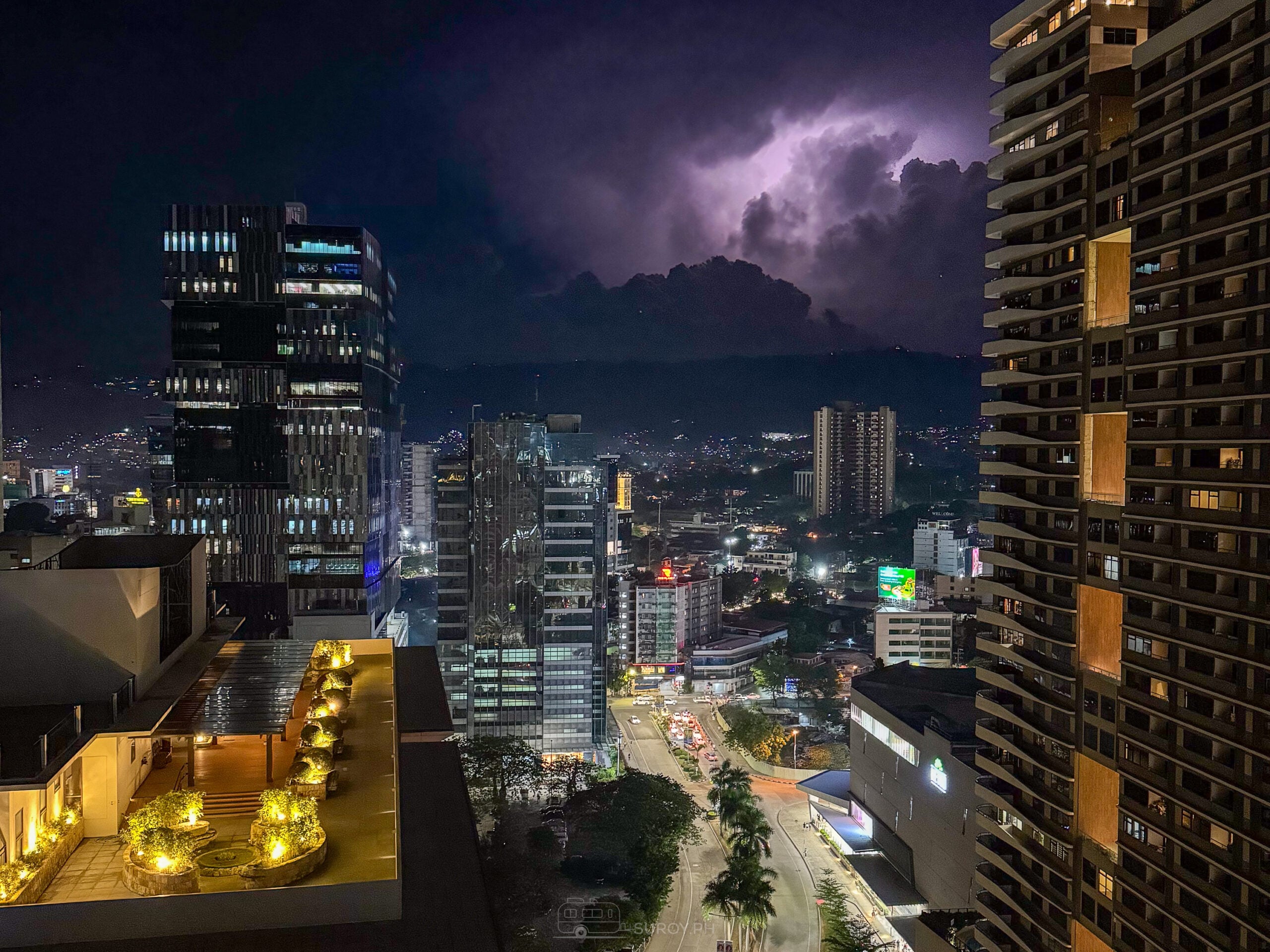

The Rain Swap: How to Reorder a Philippine Trip Instead of Losing the Day
Rain does not cancel a Philippine trip, it reorders it. Sort every activity into three buckets before you go, and a wet morning costs an hour of rearranging instead of a day.
Rain does not have to cancel your Philippine trip. It can reorder it. A backup itinerary helps you make the most of a wet day, as long as conditions are safe.
Sort every activity on the trip into three buckets before you leave, and a wet morning costs an hour of rearranging instead of a day. That is the whole system. Start by ranking the activities by how much rain they can handle. Brief showers can leave room for a swap, but prolonged monsoon rain or a tropical cyclone can mean cancelling plans and staying sheltered.
Sort the trip into three buckets
Do this once, on the plane or the night before, against the actual list of things you booked or hoped to do.
| Bucket | What goes in it | What it is for |
|---|---|---|
| Indoor alternatives | Covered markets, heritage churches, museums, restaurants and coffee shops, provided access is safe | This is what a rained-out morning becomes |
| Needs better weather | Viewpoints, drone flying, sandbars, beach days, sunset anything | Reschedule these only when weather, access and any local restrictions allow |
| Closed or dangerous | Canyoneering, river swimming, narrow falls, small-boat island hopping, unlit mountain roads at night | Follow operator, Philippine Coast Guard and local government suspensions. You can always choose to cancel |
The point of the table is not the categories. It is that when the rain starts you already know what to pull forward, instead of standing in a lobby googling and losing the morning to the decision rather than the weather.
The rain that matters is the rain you cannot see
This is the one worth reading twice. Canyons, rivers and narrow falls are fed by a catchment above them, sometimes hours away and over a ridge. It can be bright and dry where you are standing and rising fast where you are about to swim.
So the question is never whether it is raining here. It is whether it has rained upstream, so check official warnings and ask licensed guides or operators about conditions in the catchment. Local experience helps, but it cannot guarantee safety. If a guide says the run is off, that is the system working correctly, and it is not a negotiation. The Kawasan Falls guide has practical information for planning a visit when conditions allow.
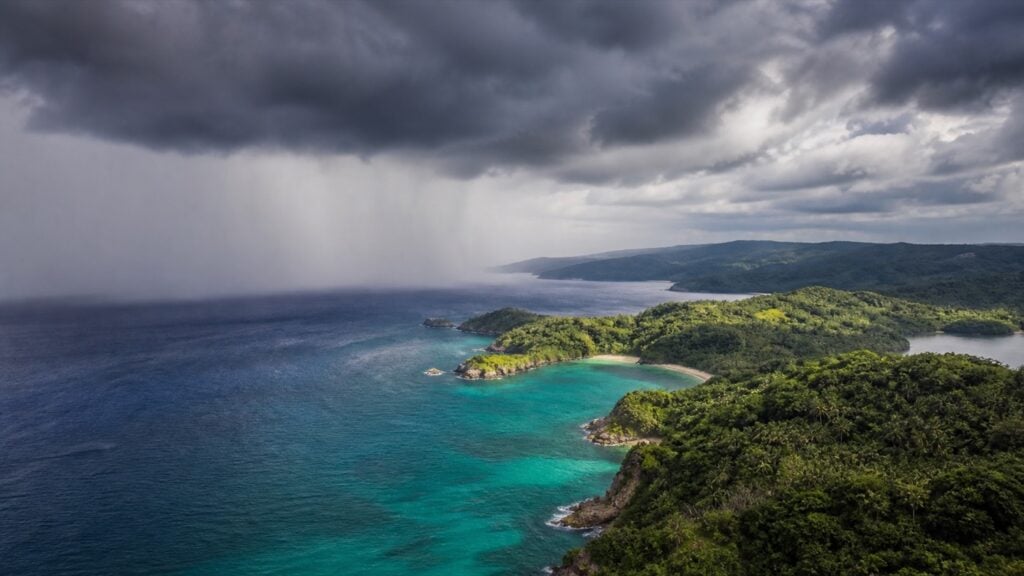
The morning check worth actually doing
A single weather-app icon cannot tell you how long rain will last or whether your route is safe. Check three things before leaving.
Read the latest PAGASA forecasts and warnings, and use rain radar as an additional view of approaching showers. Confirm boat departures and suspensions with the operator or local Philippine Coast Guard station. Ask your accommodation about flooded roads and access. A clear patch of sky or calm water at the pier is not an all-clear for the route.
The swap, in practice
South Cebu, wet morning. The canyoneering is off and that decision was made for you. Pull the heritage run forward instead and drive the southern Cebu church route, if roads and venues are open and safe to reach. Keep outdoor stops for later only if conditions allow.
Island day, rough sea. The boat is not going. Trade it for the town you were going to skip, a long lunch and the market, and rebook the island trip only after the operator confirms a safe departure. Morning is not automatically calmer.
City day, all-day rain. This is the easiest swap and the one people waste. Museums, heritage interiors and a proper eating day work well in rain, provided the route is safe and venues are open. The lechon guide and the Cebu travel guide between them will fill a wet day better than a mall will.
The annoying parts
Roads flood faster than they drain, so a route that was fine on the way out can be closed on the way back, particularly low coastal stretches and anything crossing a river. Habal-habal drivers will still take you in the rain, which is not the same as it being a good idea.
Ferry departures depend on official weather warnings, sea conditions and Coast Guard or operator restrictions, so the sailing you assumed was fine can be cancelled under a blue sky. A cancelled sailing yesterday can also mean a backlog of passengers today, which is covered in the port buffer guide. And wet clothes can take much longer to dry in humid weather, so the dry change you are carrying is the only dry change you have, which is the argument for the two-bag system.
Traveling in the rain, common questions
Is the rainy season a bad time to visit the Philippines?
Not necessarily. Rainfall varies by region and weather system. Flexible plans help during passing showers, but prolonged rain and tropical cyclones can disrupt several days. Check forecasts for your destination and leave room to cancel.
Can you still go island hopping in the rain?
Sometimes, if the operator confirms the trip is permitted and safe. Official weather warnings, sea conditions and Coast Guard restrictions matter, not just rainfall at the pier. Follow every suspension and cancel if you are uncomfortable.
Are waterfalls better or worse in the rain?
Heavy rain can make waterfalls and their approaches dangerous, including for photography. Stay away from rivers, canyons and falls during heavy rain or flood warnings, including rain upstream. Follow closures and return only when local authorities or operators confirm access is safe.
What is the single most dangerous rain mistake?
Entering a canyon, river or narrow falls when it has rained upstream, even if the weather where you are standing is clear. Water arrives from the catchment above, not from the sky over your head, and it arrives fast.
What should I move a rained-out day to?
Anything indoors and specific rather than indoors and generic. Heritage churches, museums, markets and a long lunch are the swaps that people remember. A mall is the swap people regret.
Should I buy a poncho or an umbrella?
A lightweight poncho is useful for short walks and keeping your hands free; an umbrella works for sheltered city stops. Neither makes a boat crossing or motorcycle ride safe in bad weather. Wait under proper shelter during thunderstorms.
Suroy Wear · Journey Collection
For the morning the plan changes.
Planning note: written September 2026 as a general method rather than a seasonal forecast. For background on monsoon travel, see the habagat travel update. Activity suspensions are set by operators, the coast guard and local government and change day to day. Confirm on the morning, not the night before.