
AirSWIFT to Cebgo in 2026: Clark Airport and Flight Code Guide
AirSWIFT flights now operate as Cebgo under the DG code, while affected turboprop flights use Clark instead of Manila. Here is how to read your 2026 itinerary and plan the transfer.
The short answer: AirSWIFT flights became Cebgo-operated flights on July 1, 2026. The airline code changes from T6 to DG, and airport announcements use the Cebgo name. Cebu Pacific says the transition itself does not change the published schedules or services. Separately, DG and T6 turboprop flights that had used Manila moved to Clark International Airport on March 29, 2026, so the airport code on your booking matters as much as the flight time.
If you booked an island flight months ago, the confirmation in your inbox may still say AirSWIFT or T6. Do not panic, but do not skim past it either. Open the latest booking record, look for DG, and check whether the airport is CRK or MNL before arranging a ride or a connecting flight.
What changed on July 1, 2026
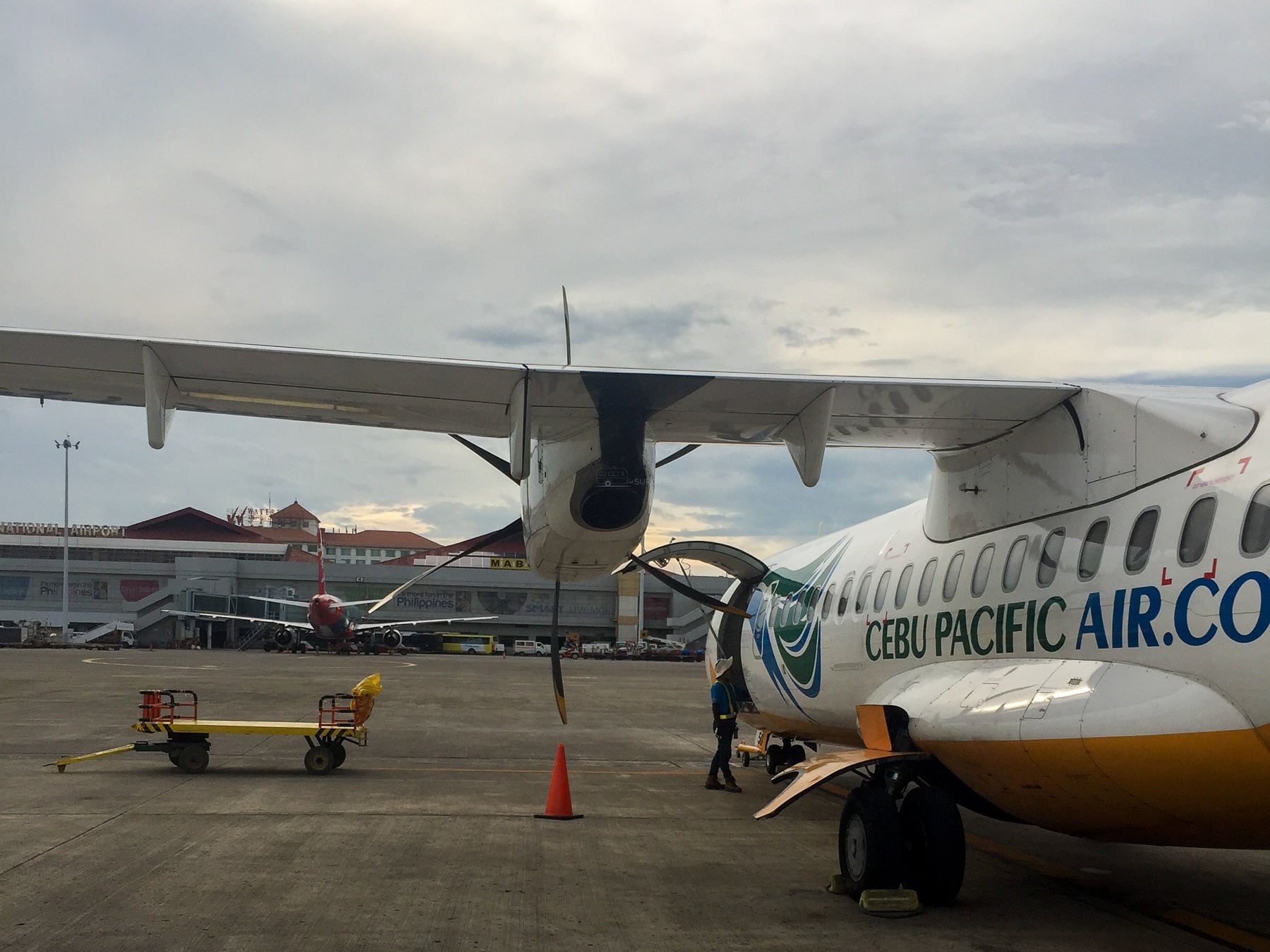
Cebu Pacific’s official AirSWIFT transition notice says all AirSWIFT flights are operated by Cebgo from July 1. The flights use DG instead of T6 and are called Cebgo in airport and onboard announcements.
- Old airline name and code: AirSWIFT, T6
- Current operating name and code: Cebgo, DG
- Effective date: July 1, 2026
- Transition assurance: Cebu Pacific says schedules and services continue without change because of the operator transition itself.
- Routes named by the airline: Clark to El Nido, plus El Nido links with Boracay, Bohol, Cebu, and Coron.
This does not mean every Cebu Pacific flight now uses DG. The group uses different airline codes. A 5J flight and a DG flight can appear on the same trip but operate from different airports or under different conditions. Read the code on each sector, not just the logo at the top of the itinerary.
The Clark move is a separate change
Cebu Pacific’s official Manila-to-Clark advisory says DG and T6 flights transferred from Ninoy Aquino International Airport to Clark International Airport starting March 29, 2026. The carrier links the move to a Department of Transportation Manila Slot Coordination Committee resolution requiring turboprop operations to transfer from MNL to CRK.
Clark is not another NAIA terminal. It is a different airport in the Clark Freeport Zone, Pampanga, about 80 kilometers northwest of Manila, according to the airline’s Clark travel guide. A taxi booked for Terminal 3 in Pasay will not put you at Clark. A short connection planned as if both flights share one building can fail before the island holiday even begins.
What remains trip-specific
The transition dates and airline codes are confirmed. Your exact flight time, fare conditions, baggage allowance, purchased add-ons, terminal counter, and ground-transfer options depend on the booking and current operating notice. Cebu Pacific’s transition page includes these topics in its customer questions, but travelers should use Manage Booking or the airline’s support channel for the answer attached to their reservation.
Ground transport timetables also change more often than airport geography. Check Clark International Airport and the actual bus or transfer operator close to travel. Avoid building a plan around an old social-media schedule, particularly for an early morning departure or a late arrival.
Read your itinerary in this order
- Airport code: CRK means Clark. MNL means Ninoy Aquino International Airport. These are not interchangeable.
- Flight code: DG is Cebgo. T6 may remain visible on an older AirSWIFT record. 5J is a different Cebu Pacific operating code.
- Date and local time: check both the outbound and return sectors. A return booked after a transition date may not mirror the original departure setup.
- Connection: identify whether the next flight leaves the same airport. If it does not, add road travel, traffic uncertainty, baggage collection, and a fresh check-in.
- Latest message: compare the original email with Manage Booking and recent airline notices.
A useful family habit is to have one person read the flight number aloud while another checks the airport code. It sounds almost too simple, but “Cebu Pacific” alone is not enough information when one sector says 5J and the next says DG.
Connecting through Clark without rushing
For a trip beginning in Metro Manila, plan the road journey to Clark as a proper intercity transfer. Leave a buffer for traffic, ticket queues, meal stops, and check-in. For a connection between MNL and CRK, do not use the minimum connection time of a same-airport itinerary. You may need to collect checked baggage, travel by road, and check in again.
If the budget allows, an overnight near Clark can be more sensible than a predawn road gamble, especially for children, older relatives, or travelers carrying dive equipment. Compare the cost of the room with the cost and stress of missing a separate flight. Confirm whether the tickets are on one booking or separate bookings, because passenger protection can differ.
Clark also makes it possible to build a Central Luzon stop rather than treating the airport as a long commute. Suroy.ph’s Mount Pinatubo guide can help with a separate, properly planned land itinerary. Do not squeeze a mountain tour into the hours before a flight.
Match the route to the island
The airline names El Nido, Boracay, Bohol, Cebu, and Coron in the transition notice. If Bohol is your destination, compare the flight with Suroy.ph’s Chocolate Hills guide and Bohol Bee Farm guide before deciding how many days to stay. If you are entering through Cebu, the Bantayan Island guide shows why onward travel can take much longer than the flight.
If El Nido or Coron is the destination, the Palawan trip cost calculator prices what the rest of the trip costs once the flight is settled.
For a wider island plan, the Siquijor guide and Suroy.ph’s Philippine travel hacks are useful reminders that the last boat, bus, or van often determines whether an air itinerary works.
Before you leave home
- Download the latest itinerary and keep an offline copy.
- Check every sector for CRK or MNL.
- Confirm DG, T6, or 5J on the flight number.
- Review checked-baggage and special-equipment allowances in the current booking.
- Save the airline’s support and flight-status pages.
- Recheck the ground transfer one day before travel.
- Tell your driver the airport name and code, not only the airline.
AirSWIFT, Cebgo, and Clark FAQ
Is AirSWIFT now Cebgo?
All AirSWIFT flights have been operated by Cebgo since July 1, 2026. The operating code changes from T6 to DG.
Did the July transition cancel AirSWIFT routes?
Cebu Pacific says schedules and services continue without change because of the operator transition. Always check the status of your individual flight.
Do DG flights leave from NAIA?
The airline’s advisory says DG and T6 flights transferred from MNL to Clark starting March 29, 2026. Read the airport code on the current booking because airline operations can be updated.
How far is Clark from Manila?
Cebu Pacific describes Clark International Airport as about 80 kilometers northwest of Manila. Road time varies considerably with origin, traffic, and transport choice.
Why does my old booking still say T6?
It may have been issued before the July 1 operator transition. Compare it with the current Manage Booking record and airport information.
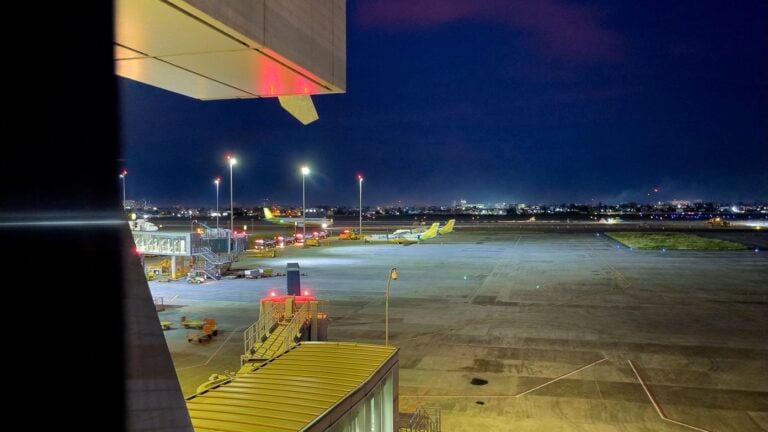
Update note: Airline and airport facts were checked on August 10, 2026. Recheck Cebu Pacific’s help pages, Manage Booking, flight status, and current Clark ground transport before publication. The featured image is an original illustrative Clark airport scene, not a photograph of a specific AirSWIFT or Cebgo flight.