

The ₱1,620 Nobody Warns You About, and Ten Other Philippine Travel Hacks
Most travel hack lists for this country are written by people who have never queued at a TIEZA counter. They tell you to pack light and download offline maps. Useful, in the way that telling someone to breathe is useful.
These are the eleven things that actually take money or time off you in the Philippines, in the order they tend to bite. Every figure here comes from our own reporting, and every one links to the piece that carries the full detail. Checked 26 August 2026.
1. The travel tax is ₱1,620 and it is probably not in your ticket
Fly out of the Philippines on an economy ticket and you owe ₱1,620 in travel tax. It belongs to TIEZA, not the airline, which is why it can appear as a counter you have to visit rather than a line on your booking. Children aged two to twelve, journalists on assignment and a few other categories pay a reduced ₱810 economy or ₱1,350 first class. An OFW spouse pays ₱300.
The trap is the paperwork window. A child’s reduced rate certificate has to be filed within three days of booking. Miss it and the full ₱1,620 stands, and nobody at the airport will help you argue.
The full travel tax and terminal fee guide has the exemptions, the refund route and who collects what. And no, it has not been abolished, whatever the headline you saw said.
2. eTravel is free, and the window is 72 hours
The official Philippine eTravel registration costs nothing. Every site charging you for it is reselling a free government form. The portal only accepts registrations within 72 hours of your arrival or departure, so filing it a week early is not organized, it is impossible.
Save the QR code offline once you submit. Airport wifi is not a plan, and an old screenshot from a previous trip will not scan. The eTravel guide walks the form.
3. What you have read about drone registration is probably wrong
Several widely read guides state that any drone over 250 grams must be registered in the Philippines. That is not what the rules say. What actually binds you are the operating limits for the open category, and those apply whether or not your aircraft is registered. Breach them and you need a special permit.
If you are bringing a drone here, read the actual rules rather than the version everyone copied off each other. We fly here. We had to work this out.
4. There is no single government site for ferry tickets
Ferry booking is moving online, and two systems get named a lot. SEAS governs how covered shipping operators sell tickets online. ORAS is a separate pilot for managing walk-in slots at selected ports. Neither is a universal booking site, and finding them in a search result does not mean your route is live on either.
For island crossings, book with the shipping line itself or the channel the port names. Enter every passenger name exactly as it appears on the ID they will present. How SEAS and ORAS actually work.
5. Public transport is the biggest single lever on a budget
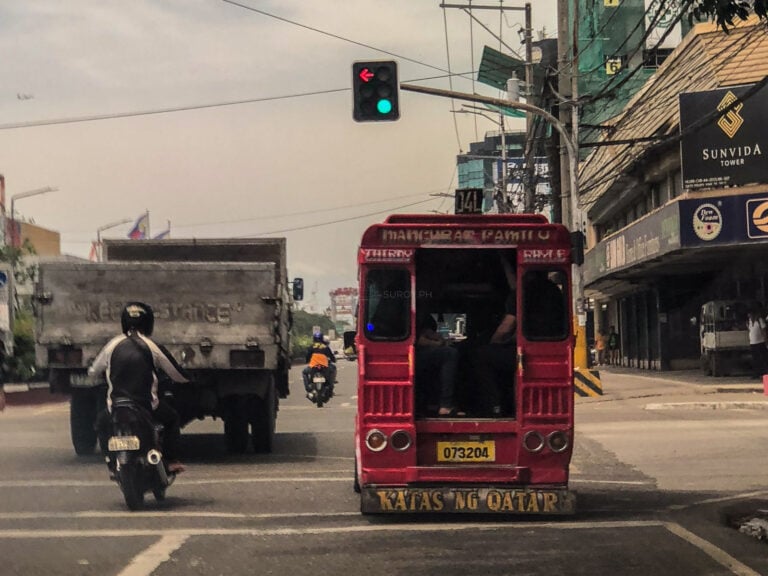
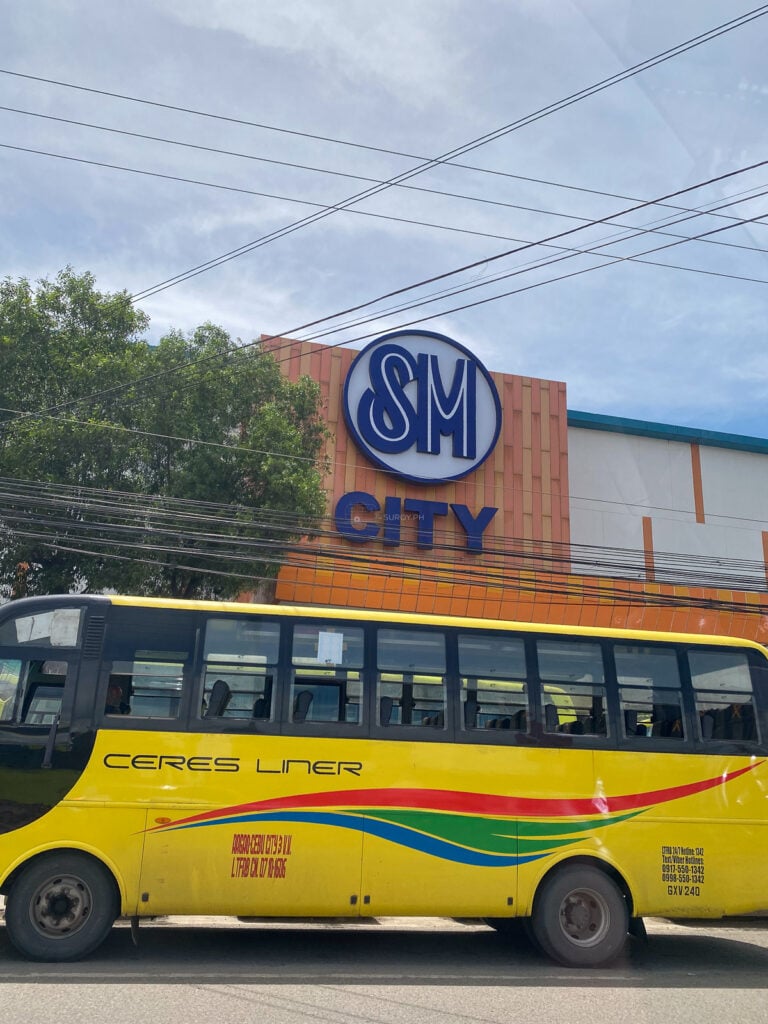
In Cebu City a traditional jeepney is ₱13 for the first four kilometers and ₱1.80 for every kilometer after. A modern aircon jeepney is ₱15 and ₱2.20. Students, seniors and persons with disabilities get twenty percent off. A booked car across the same city is many times that, several times a day, for a whole trip.
Nothing else you choose moves the total as much. The jeepney guide has the route codes and how to actually flag one down, and the Cebu budget calculator lets you switch between mostly public, mixed, self-drive and a private driver to see what each does to the number.
6. Terminal fees are sometimes in the fare and sometimes not
The passenger service charge, which everyone still calls the terminal fee, belongs to whoever runs the airport, not the airline. Book a domestic flight and it is usually inside the fare. International is where it gets uneven, and more than forty international carriers were told to stop embedding travel tax and terminal fees in tickets sold to OFWs.
Assume you are paying it at the airport unless your booking says otherwise in writing. Carry cash.
7. When a flight is cancelled, do not let the app decide
An automatic rebooking is the airline’s preferred outcome, not necessarily yours. Ask them to state the reason for the disruption in writing, then ask for every option: refund, rebooking, a replacement flight, and alternative transport where it applies. The airline cannot add a cancellation fee to a refund it owes you.
Compare the refund against the real price and timing of a replacement before you tap anything. Your rights when a Philippine flight is delayed or cancelled.
8. The booking scam that works because it looks reasonable
A deposit request is not automatically a scam. Plenty of legitimate small resorts here take one. The tell is pressure. If the seller will not give you time to verify, do not pay.
After paying, get a confirmation number and a receipt, then check the reservation appears in the property’s own system, not just in a chat thread. Reconfirm directly before you travel, especially on a group booking or a large deposit. How to verify a Philippine booking before you send money.
9. A seat sale is a base fare, not a trip price
The number in the promo is the fare before baggage, before the terminal fee, before the travel tax on an international leg, and before whatever it costs to get from the airport to where you are actually sleeping. A ₱99 fare to an island whose only transfer is a ₱2,400 boat is not a ₱99 trip.
Price the whole chain before you celebrate. What to check before booking a seat sale.
10. Know which airport you are actually flying into
Clark is not a connecting terminal inside Manila. It is a separate airport about ninety kilometers north of Metro Manila, and you get yourself there by land. Miss a Clark departure because you assumed otherwise and you are buying a new ticket, not rebooking one.
The same logic applies at the other end. Our airport guides for Mactan-Cebu and Iloilo both start with the transfer, because that is the part people underestimate. The AirSWIFT to Cebgo change also renamed flight codes, so an old booking reference may not match what the board says.
11. Price the whole trip before you book any of it
Almost every expensive surprise on this list is a line somebody forgot to add up. Rooms and flights are the two people remember. Transfers, corridor fares, entrance fees and the boat you did not know you needed are the ones that move the total.
Our trip budget calculators itemise all of it for Cebu, Palawan and Siquijor, with a contingency on top and every assumption visible. You can send the result to the group chat before anyone books anything.
The order we would do it in
- Price the whole trip, including transfers and entrance fees, before booking anything.
- Book flights and check which airport the ticket actually names.
- Verify any accommodation that asks for a deposit, before sending money.
- Book ferries with the shipping line or the channel the port names.
- Set aside ₱1,620 per person for travel tax on an international departure.
- File eTravel inside the 72-hour window and save the QR code offline.
- Carry cash for terminal fees.
- Learn the local public transport before you default to booked cars.
Philippine travel hacks FAQ
How much is the Philippine travel tax?
₱1,620 for economy on an international departure. The reduced rate is ₱810 economy and ₱1,350 first class for children aged two to twelve, journalists on assignment and presidential authorisations. An OFW spouse claiming the privileged rate pays ₱300. A child’s reduced rate certificate must be filed within three days of booking.
Is the Philippine eTravel form free?
Yes. The official portal charges nothing. Registration is only accepted within 72 hours before your arrival or departure, and you should save the QR code offline rather than relying on airport connectivity.
Do I have to register a drone in the Philippines?
Not on the blanket 250 gram rule that most guides repeat. What binds you are the operating limits for the open category, which apply whether your aircraft is registered or not, and anything beyond those limits needs a special permit. Read the current rules before you fly rather than a copied summary.
Is there one website for booking Philippine ferries?
No. SEAS governs how covered operators sell online and ORAS is a separate pilot for walk-in slots at selected ports. Neither covers every route. Book with the shipping line or the channel your port names, and enter names exactly as they appear on ID.
What is the cheapest way to get around a Philippine city?
Public transport, by a wide margin. In Cebu City a traditional jeepney starts at ₱13 for four kilometers against many times that for a booked car on the same route. Switching from private rides to mostly public is the single largest change you can make to a trip total.
Wear the wandering.
Suroy is Cebuano for to roam. One of these prints the dictionary entry. The other puts it on the side of a van.

Suroy Definition
Statement Series
₱999

Retro Van
Statement Series
₱999