Newsletter Subscribe
Enter your email address below and subscribe to our newsletter


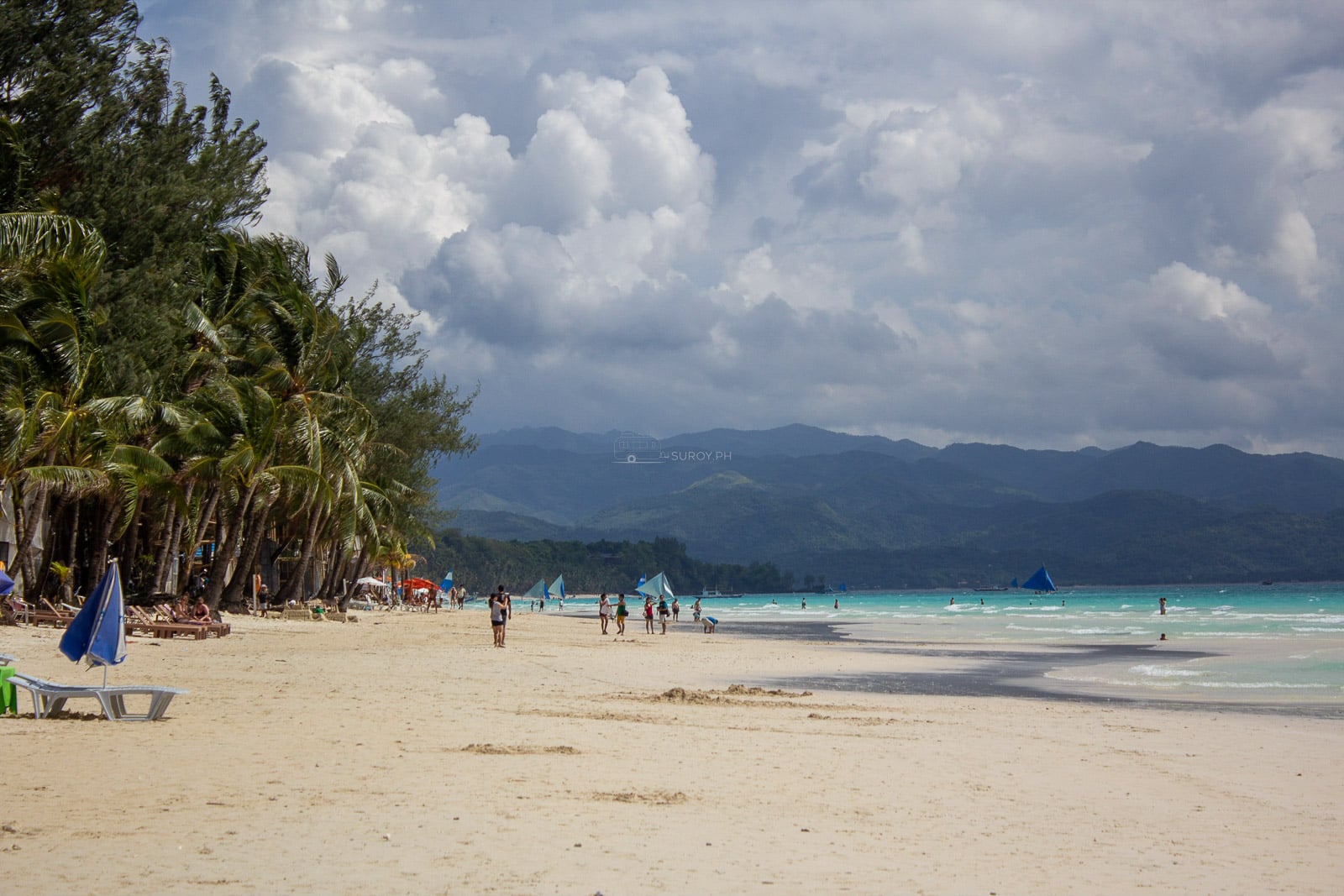
Station 1, Station 2 and Station 3 share White Beach but suit different trips. This practical Boracay guide also explains northern resorts, arrival, costs, weather and a realistic five-day plan.
Boracay gets easier once you choose the right base. Station 1 gives you more sand and a quieter night. Station 2 puts restaurants, shops and activities close at hand. Station 3 feels slower and often gives you more room for your money. The northern resorts sometimes sold as Station 0 suit travelers who want to stay inside a resort, but they are not part of the traditional White Beach station system.
BORACAY ISLAND, MALAY, AKLAN · 11.9674° N, 121.9248° E · PRACTICAL GUIDE
For a first trip, southern Station 1 or the northern edge of Station 2 gives you the easiest balance of beach space and convenience. Choose central Station 2 when restaurants and nightlife matter most, Station 3 for a relaxed base with better-value options, or a northern resort if most of your holiday will happen on the property. Five days and four nights gives you enough time for White Beach, one water day, one north or east coast day, and a weather buffer. Before you book, review these Philippine travel hacks for flight timing, cash, local transport, insurance and packing.

| Area | Best for | What you gain | What to check before booking |
|---|---|---|---|
| Station 1 | Couples, families, beach-first trips | A broad section of White Beach, a quieter evening, upscale stays | Walking distance to D’Mall, road access and the exact beachfront location |
| Station 2 | First-time visitors, groups, short stays | D’Mall, restaurants, nightlife and easy tour meetups nearby | Noise, foot traffic and whether the room faces a busy lane |
| Station 3 | Value seekers, long stays, slower days | A calmer southern stretch and many modest stays | Distance from your preferred restaurants and the quality of the access lane |
| Station 0 and northern resorts | Resort-focused holidays, privacy, special occasions | Large resort grounds, private or semi-private coves, fewer casual passersby | Shuttle frequency, travel time to White Beach and what is included on site |
| Bulabog and inland Balabag | Water-sports travelers, longer stays, practical access | Sunrise, wind sports and quick cross-island access in central areas | Walking time to White Beach and seasonal wind or construction exposure |
Do not book from the station number alone. Open the hotel on a map, identify the nearest road entrance, and ask the property how far the room is from both White Beach and the main road. A listing can use a familiar station name even when the entrance is several lanes inland.
Station 1 occupies the northern part of White Beach. Its best-known section has a wider sand corridor and a more resort-led feel than central Station 2. You can still walk south for dinner or shopping, but you do not have to sleep beside the busiest part of the island.
This is the strongest base for travelers who want their mornings and late afternoons to revolve around the beach. It also works well for families who value space, provided the chosen hotel has easy road access and the room is not a long walk from reception. Prices tend to rise for direct beachfront access, so compare the full stay rather than the room rate alone. Breakfast, airport transfer, an extra bed and child policies can change which booking is actually better value.
Station 2 is the practical center of White Beach. D’Mall, a dense mix of restaurants, activity desks, shops and nightlife are close together. If you have only three or four nights, that convenience saves repeated rides and makes it easier for a group to split up and meet again.
The tradeoff is simple: this is where Boracay feels busiest. Beach paths can clog around sunset and dinner, and a central address does not guarantee a quiet room. Central does not mean quiet. Ask for a room off the entertainment lane, and expect the beach path to clog between six and nine.
Station 3 sits along the southern end of White Beach. The farther you move from central Station 2, the more the pace tends to ease. You will find a mix of hostels, small hotels and polished beachfront properties, so Station 3 should not be treated as one budget category.
It suits travelers who are happy to walk for dinner, take an e-trike when needed, and spend more time near their own stretch of sand. Check the exact lane from the main road if you have wheeled luggage, a stroller or limited mobility. Some paths are narrow, uneven or awkward after rain.
Station 0 is not a fourth section of White Beach in the traditional station system. The name is used for northern Boracay, especially resort areas around Punta Bunga and other parts of Barangay Yapak. It can also appear in marketing for newer northern developments. Two properties using the same label may not sit on the same beach.
Choose this part of the island when the resort itself is the destination. Before paying, ask four questions: Which beach does the property use? Is that beach directly accessible from the room area? How often does the White Beach shuttle run? What will a private ride cost if you miss it? A low room rate loses its appeal if every meal and activity requires a long transfer.

The booking rule: In Boracay, the exact pin matters more than the station label. Check the beach, road entrance and transfer plan before you compare rooms.
Boracay has no commercial airport on the island. Most travelers fly to Godofredo P. Ramos Airport (MPH) in Caticlan, then transfer to the jetty port, cross by passenger boat, and continue by e-trike or van to the hotel. Kalibo International Airport (KLO) is the alternative, but it adds a substantial road transfer before the sea crossing.
| Base charge | Checked rate | When it applies |
|---|---|---|
| Environmental fee, domestic non-Aklanon visitor | ₱150 | Once on arrival |
| Environmental fee, foreign visitor | ₱300 | Once on arrival |
| Terminal fee | ₱150 | Per crossing |
| Regular passenger boat | ₱50 | Per crossing |
Using those base rates, a regular Filipino adult pays ₱350 on arrival and ₱550 for the round trip. A foreign adult pays ₱500 on arrival and ₱700 for the round trip. These totals exclude airport transport, island land transport, porterage, optional insurance and online service charges. Discounts and exemptions depend on the traveler’s age or eligibility, so bring supporting ID. Aklanon residents pay less than the rest of us, and the counter works out the final amount.
If your booking includes a coordinated transfer, read the inclusions line by line. Some packages cover the airport ride, port assistance, boat and island vehicle. Others cover only one part. Families, large groups and travelers with several bags often benefit most from a door-to-door arrangement.

Walking is best within your own part of White Beach. Use the beachfront path for station-to-station strolls and the main road for e-trikes, vans and longer transfers. Shared and private e-trike arrangements may be priced differently. Ask whether the quote is per person or for the whole trike. Shared and private are priced differently, and the driver will not volunteer which one he meant.
White Beach is not a single photo stop. Swim in the morning when the shore is cooler, walk between stations before the late afternoon crowd builds, then return for sunset. Follow the beach flags. The west side turns rough faster than it looks from a sun lounger.
That sunset is what people actually take home from this island. It is also what we printed on the Boracay Sunset tee, the sun dropping into stacked blue water above the name of the beach.

A paraw is a traditional double-outrigger sailboat and one of the most distinctive ways to see the coast. Get the length, the passenger count, the boarding point and the cancellation terms in one go. Wear a life jacket that actually fits and keep your phone in a dry pouch, because the outriggers throw spray.
Island hopping, diving, snorkeling, paddle activities, parasailing and other water sports can fill the same hours. Pick one priority instead of stacking several rushed bookings. For an island-hopping tour, get the stops, entrance charges, meals, gear, insurance, pickup point and cancellation terms up front. Then accept that the wind can rewrite the stops anyway.
For scuba diving or wind sports, use an appropriately accredited operator and be honest about your skill level. Bulabog is known for wind sports, but conditions decide which activity and training area are suitable on the day.


Bulabog sits on the eastern side of the island, close to central Boracay but facing a different sea and wind pattern. It is a sunrise side, a water-sports base in the right season, and a useful contrast to White Beach. Treat it as its own coast rather than a quieter copy of the west side.
Diniwid is a smaller cove north of White Beach. Tides and path works change the access, so ask your hotel for the route that works this week rather than trusting a two-year-old video. It works well as a slow morning or late afternoon stop.
Puka Beach gives you a different shoreline at the island’s northern end. The sand and water entry do not feel the same as White Beach, and the sea can deepen faster. The water deepens fast here and there is no long shallow shelf like White Beach. Keep children within arm reach, and arrange the ride back before it gets late.
Smaller beaches and coves can be rewarding when access and sea conditions cooperate. They can also change faster than White Beach in terms of transport, facilities and tour routing. Visit with a clear pickup plan, water, sun protection and enough time to leave before dark. Do not enter private property or treat a working port as a swimming beach.

Boracay also fits into a longer Western Visayas route. After Panay, Guimaras is an easy island extension from Iloilo City, and the Islas de Gigantes sit off the northern coast for the same water with a fraction of the crowd. If you are choosing between two flagship island trips, compare this beach-first holiday with our complete Coron Palawan travel guide, where the days revolve around lagoons, lakes and boat tours.
The island can support a simple carinderia meal, a café breakfast, a seafood lunch or a long beachfront dinner. The useful strategy is to decide where you want to spend before hunger makes the decision for you.
Restaurants close and reopen faster than anything else on the island. Low season, a storm and a long holiday each change what is open that night.

Build the trip from six lines: flights, room, airport-to-hotel transfer, food, local rides and activities. Add a contingency for weather changes, an extra meal, a missed shuttle or a replacement tour. A 15 to 20 percent buffer is more useful than copying a daily budget that does not match your room or travel style.
| Budget style | Where to save | Where not to cut |
|---|---|---|
| Value-focused | Stay near Station 3 or inland, walk locally, choose one paid water activity, eat most meals away from the front row | Safe transport, licensed operators, travel insurance and a realistic transfer buffer |
| Comfort | Book early, compare breakfast and transfer inclusions, mix casual meals with one beachfront dinner | A well-located room, reliable airport transfer and a weather-flexible activity plan |
| Resort-focused | Use included shuttles, breakfast, resort credit and package benefits | Meals and transport outside the property, especially in northern Boracay |
When comparing hotels, calculate the total for all nights after taxes and fees. Then add breakfast, extra-person charges and transfers. The cheapest headline rate often becomes ordinary once those pieces are included.
Keep the first afternoon light. Check in, find the nearest main-road access, walk your section of White Beach, and watch sunset close to the hotel. Book the next day’s main activity only after checking the forecast and cancellation terms.
Swim early, walk through the stations, stop for a long lunch, and return to the beach later in the day. Add a paraw sail if conditions are suitable. This is also the easiest night for D’Mall and central dining.
Choose island hopping, diving, snorkeling or another main water activity. Do not schedule a hard-to-cancel dinner immediately after it. Sea trips can return later than planned, and a full day outside takes more energy than the brochure suggests.
Start at Bulabog for sunrise or a morning walk, then choose Diniwid, Puka or another confirmed-access beach. Keep this day flexible. If rain or wind cancels Day 3, use Day 4 as the replacement water day and move the land circuit to a shorter window.
Take a final swim only if time and sea conditions allow. Leave the hotel with enough margin for the island ride, boat crossing, port processing, airport transfer and check-in. Ask the hotel the day before which port is operating and what pickup time it recommends.
The Philippines generally has a drier season from December to May and a rainier season from June to November, but that is a planning pattern, not a promise. Boracay can have sunny days in the rainy months and rough conditions during an otherwise clear week. Start with our month-by-month Philippines weather guide, then check the live PAGASA forecast before you fly.
Amihan, the northeast monsoon, often brings calmer conditions to White Beach and wind to Bulabog. Habagat, the southwest monsoon, can bring stronger wind and waves to the White Beach side. If you are traveling in July, August or September, our guide to what habagat changes in Western Visayas explains why the Caticlan crossing and west-facing beaches can change even when the morning is sunny. Operators may move activity loading points, change routes or cancel trips when conditions require it.

Boracay’s sand, reefs, workers and public spaces carry the cost of every visit. The practical rules are straightforward.

Station 2 is the easiest base for a first trip because restaurants, shops and tour meeting points are close. Choose Station 1 instead if a quieter night and more beach space matter more than central convenience.
Station 1 is better for a beach-first holiday and calmer evenings. Station 2 is better for short stays, groups and travelers who want dining and nightlife within a few minutes. Neither is automatically better for every trip.
No. It is still part of White Beach, but the walk to central Station 2 can feel long in midday heat or rain. Station 3 works best when you are content with nearby meals and an occasional e-trike ride.
No. It is a marketing and traveler label for northern parts of Boracay, especially resort areas in Yapak. Check the exact property pin and beach because the label does not identify one continuous shore.
Choose Caticlan for the shortest transfer. Consider Kalibo only when the fare or flight schedule remains attractive after adding the road trip to Caticlan Jetty Port.
Four days and three nights covers the core trip. Five days and four nights is better because it gives you one main water day, time beyond White Beach and room to adjust for weather.
Bring valid identification and your accommodation details. LezzGo registration is optional, not mandatory, and the form accepts “Walk-in” when you do not have a hotel booking. You can also pay at the port by cash or electronic means. Check the Aklan Provincial Government’s own site publishes the live rates. If you register online, save the confirmation offline before you fly.
Cards and mobile payments are common at many established businesses, but cash remains useful for small rides, tips, minor purchases and backup during a service interruption. Carry small bills and keep emergency cash separate.
Yes, but keep the schedule flexible. Rain, wind and waves can cancel sea activities or shift boat operations. Check PAGASA, keep a buffer day, and do not build the trip around a single nonrefundable tour.
The final call: Pick the station that fits your daily rhythm, not the one with the most familiar name. Protect the first and last days with transfer time, give the weather room to move, and let one water activity be enough. Boracay rewards a plan that leaves space for the beach.