
Church of the Angry Christ, Victorias: The Mural, the Mill Gate and Mass Times
The Church of the Angry Christ is the chapel of St. Joseph the Worker inside the Victorias Milling Company compound, and the reason to make the trip is the wall behind the altar: Alfonso Ossorio’s mural of Christ, finished in 1950. It is still a working parish, so time a visit around Mass, and expect a guarded mill gate on the way in; the last published report on access, from July 2020, said entry to the factory area was restricted. Victorias is about 34 km north of Bacolod.
St. Joseph the Worker Chapel · Victorias Milling Company, Victorias City, Negros Occidental · 10.879° N, 123.066° E · Checked 29 October 2026

Victorias City · Negros Occidental
Who made it
Tap a tab.
Alfonso Ossorio, 1950
The mural
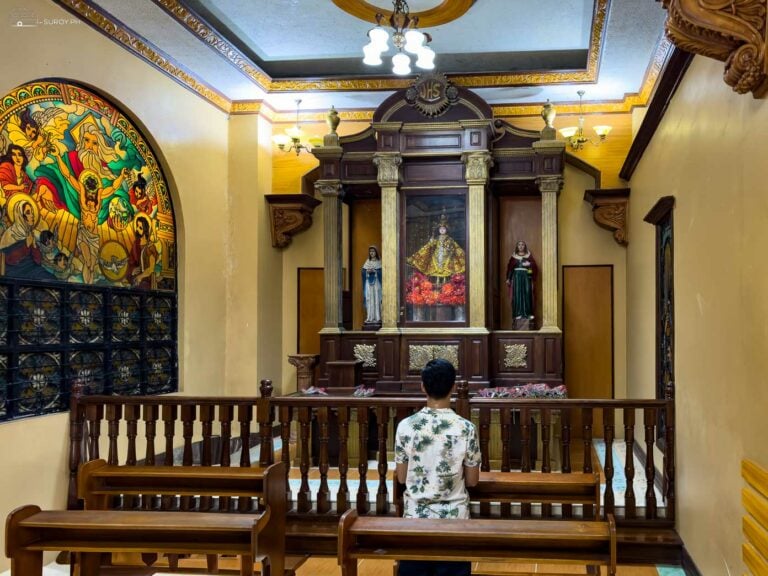
Alfonso Ossorio, son of the mill’s founder, painted the mural behind the altar in about eleven months, finishing in 1950. Life magazine coverage gave the chapel its nickname. Sources read the image differently: one calls it a Last Judgment, another a Christ flanked by the red hands of God the Father.
Antonin Raymond
The building
The Czech-American architect Antonin Raymond, who trained under Frank Lloyd Wright, designed the chapel for the workers of Victorias Milling Company, built 1948 to 1950. The tower and nave were built to ride out earthquakes.
Ade de Bethune
The mosaics
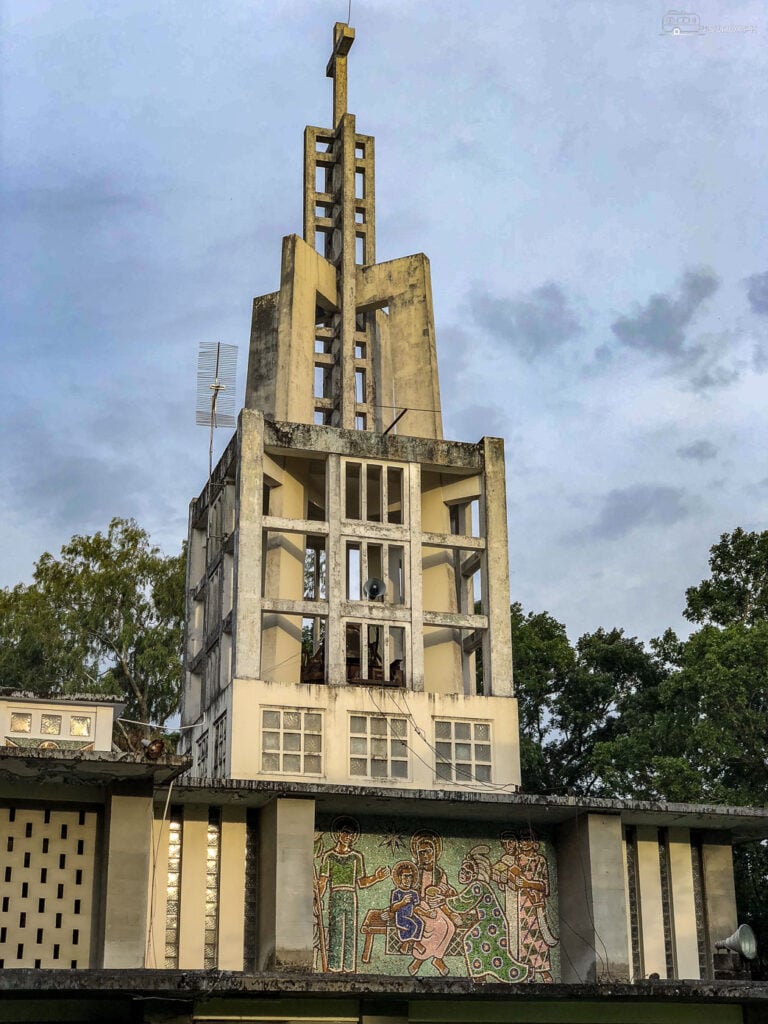
The mosaics are by Adelaide de Bethune, set with the help of local craftsmen and pieces of colored bottle gathered by parishioners. The carved crucifix and Stations of the Cross are by Benjamin Valenciano, not painted by Ossorio.
Cultural Property, 2015
Heritage
The National Museum declared the chapel an Important Cultural Property in 2015. It is still a working parish, declared one in 1979 and run by the Salesians of Don Bosco. In May 2024 the mill’s 105th anniversary opened with Mass here.
Inside the mill
The gate
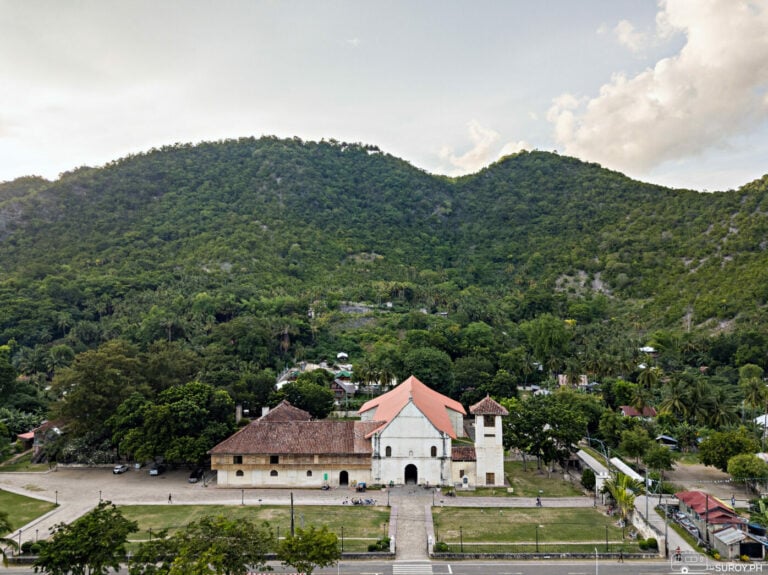
The chapel stands inside the Victorias Milling Company compound, behind a guarded gate. In July 2020 access was restricted to the factory area; Suroy.ph found no newer rule. Bring an ID and go around Mass times.
Checked October 29, 2026.
The mural
Alfonso Ossorio, an artist and son of the mill’s founding family, arrived in December 1949 and spent about eleven months on the mural, roughly 60 square meters, painted in ethyl silicate. Life magazine’s coverage gave the chapel its popular name. What the picture shows depends on who you ask: one heritage writer calls it a Last Judgment; an architecture magazine reads it as Christ with the giant red hands of God the Father around him and a dove for the Holy Spirit at the skylight. The artists painted the holy figures as Filipinos, which drew complaints from conservatives in the 1950s.
The building and the hands that made it
The chapel was built from 1948 to 1950 for the mill’s workers and their families and dedicated to St. Joseph the Worker. The architect was Antonin Raymond, born in what is now the Czech Republic, who trained under Frank Lloyd Wright; the tower and nave were linked by movable beams to ride out earthquakes. The mosaics are by Adelaide de Bethune, with local craftsmen setting brass and glass, including pieces of colored bottles gathered by parishioners. The wood carvings, the crucifix and the Stations of the Cross are by Benjamin Valenciano.


The National Museum declared the chapel an Important Cultural Property in 2015, and the company restored it that year. It became a parish in 1979 and has been run by the Salesians of Don Bosco since the 1960s. In May 2024 Victorias Milling opened its 105th anniversary with a thanksgiving Mass here.
Mass times and visiting
| Day | Mass |
|---|---|
| Monday, Tuesday, Thursday, Saturday | 6 AM |
| Wednesday, Friday | 5 PM |
| Saturday anticipated | 6 PM |
| Sunday | 6 AM (Hiligaynon), 8 AM (English), 6 PM (Hiligaynon) |
That schedule was published in January 2024 with a note to check with the church; Suroy.ph found nothing newer. No source gives visiting hours outside Mass, a fee or a tour service. Photography is usually allowed, but ask before photographing the altar during services, and dress as you would for any working church.
The mill gate
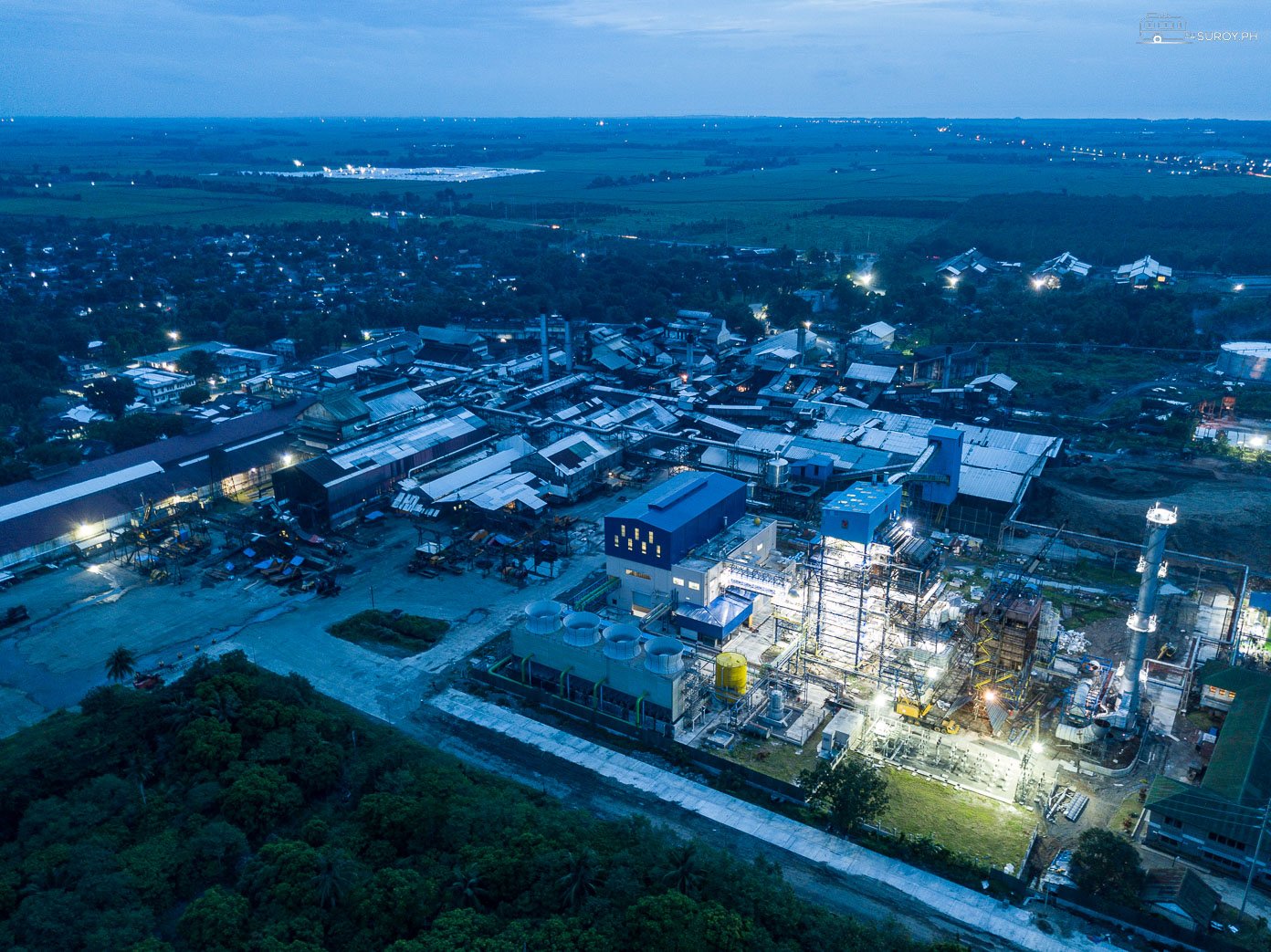
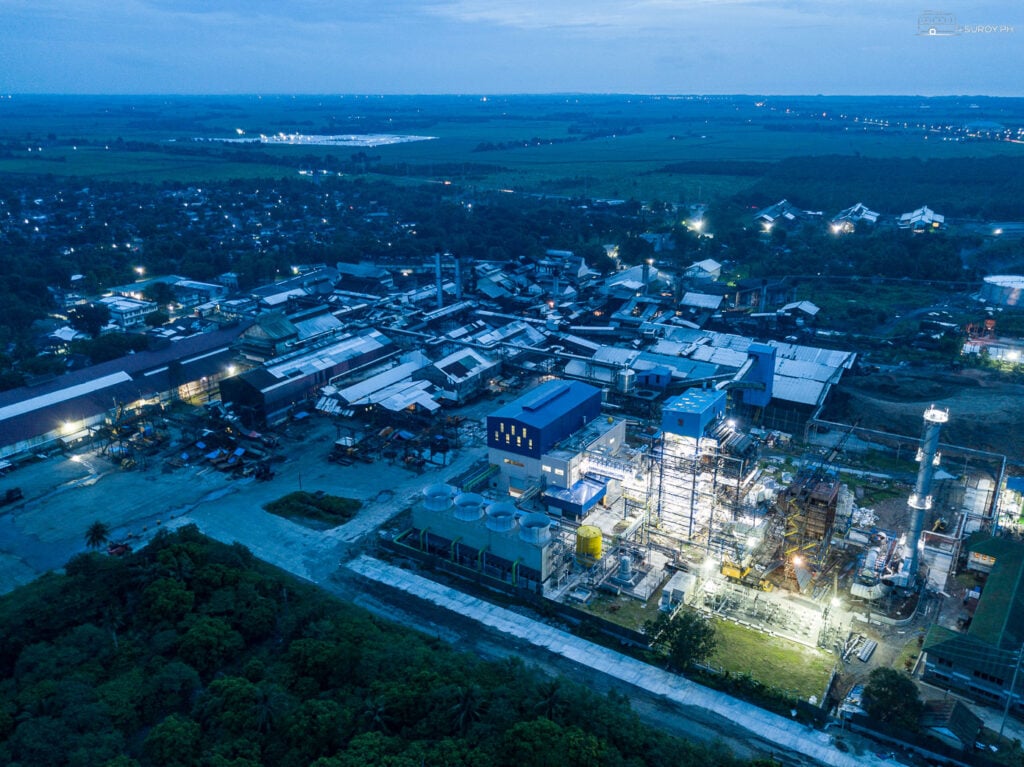
The chapel sits inside the compound of Victorias Milling Company, Inc., founded on 7 May 1919 by Don Miguel J. Ossorio and partners and still described in 2024 as the country’s largest sugar mill and refinery. The company went through corporate rehabilitation from 1997 and was back in profit by 2004; it did not close. The gate is staffed, and in July 2020 the chapel was no longer accessible to all parishioners because of Covid entry restrictions on the factory area. No newer access policy has been published, so bring an ID.

Mary Help of Christians
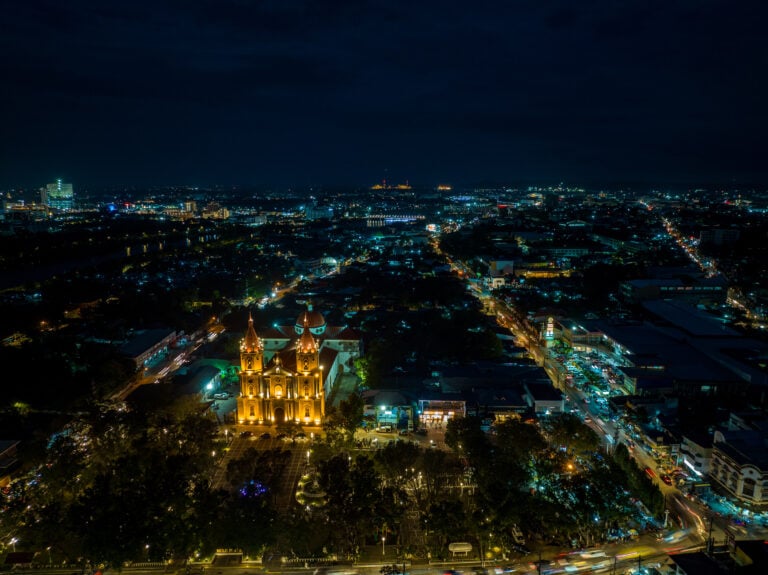
The other church on many Victorias itineraries is Mary Help of Christians in Canetown Subdivision, Barangay 19-A. It is unfinished: work began in 1995 on two hectares donated by the mill and stopped in 1997, after the sugar crisis and a change in management. In July 2020 Mass was still said there daily and parishioners were donating cement to continue the build. Suroy.ph found no report that it has since been completed.
Getting there
Take a bus or jeepney north from Bacolod to Victorias, about 45 minutes in older guides, and get off where the national highway meets the mill road, then a tricycle to the church. Another route is the bus toward Manapla, getting off at Victorias City Hall. No current fares are published. On the way, Magikland is in Silay; farther north, Lakawon is off Cadiz. Coming from Iloilo, see the Iloilo to Bacolod ferry.

A chapel built for mill workers, by artists who painted their saints as Filipinos. The Heritage Threads tee is about the same pride.
Suroy Wear · Heritage Threads

The freedom we wear.
Heritage that people built with their own hands. Made in the Philippines. ₱1,099.
Wear the story
Frequently asked questions
Where is the Church of the Angry Christ?
Inside the Victorias Milling Company compound in Victorias City, Negros Occidental, about 34 km north of Bacolod. Its formal name is St. Joseph the Worker Chapel.
Who painted the Angry Christ mural?
Alfonso Ossorio, in 1950. The mosaics are by Adelaide de Bethune and the wood carvings by Benjamin Valenciano; the architect was Antonin Raymond.
Can tourists visit the Church of the Angry Christ?
It is an active parish inside a guarded mill compound. Access was restricted in July 2020 and no newer rule is published, so go around Mass times and bring an ID.
What are the Mass times?
A January 2024 listing gives weekday Masses at 6 AM or 5 PM and Sunday Masses at 6 AM, 8 AM and 6 PM. Confirm with the parish.
Is Mary Help of Christians Church finished?
No. Construction began in 1995 and stopped in 1997; it was still unfinished in July 2020.
Checked 29 October 2026.