
Simbang Gabi: A Heartwarming Filipino Christmas Tradition
Simbang Gabi is more than just a Filipino Catholic tradition—it’s a celebration that connects communities through faith, culture, and festivity during the holiday season. Whether you’re a practicing Catholic, a cultural enthusiast, or part of the global Philippine diaspora, Simbang Gabi offers an inspiring glimpse into the deep-rooted customs of the Philippines.
What exactly is Simbang Gabi? How is it celebrated, and why does it hold such importance? This guide will walk you through the history, cultural significance, unique traditions, global celebrations, and even practical tips for attending Simbang Gabi. Prepare to immerse yourself in this beautiful tradition and discover its heartwarming essence.
What is Simbang Gabi?
Simbang Gabi, which translates to “Night Mass” in English, is a series of nine dawn Masses held from December 16th to the 24th. Known as “Misa de Gallo” or “Rooster’s Mass,” these early morning services traditionally begin as early as 3 or 4 AM, symbolizing the rooster’s crow to announce the birth of Christ.
Rooted in the Spanish colonial period, Simbang Gabi started as an agricultural practice that allowed farmers to attend religious services before heading to the fields. Today, it has evolved into a cherished Christmas tradition celebrated across the Philippines and by Filipino communities worldwide.
Spiritual and Cultural Significance of Simbang Gabi
Simbang Gabi is deeply spiritual, resembling the Nine-Day Novena and serving as a way to prepare for Christmas and reflect on its true meaning. It is a time for devout prayer, gratitude, and community reflection. Many believe that completing all nine Masses grants special graces or answers to prayers.
On the cultural front, Simbang Gabi embodies the Filipino love for togetherness, celebration, and tradition. The sense of community shines brightly as people gather in beautifully decorated churches adorned with “parol” (star-shaped lanterns), symbolizing the Star of Bethlehem. The soft glow of these lanterns and the joyful spirit of the attendees create an atmosphere brimming with warmth and hope.

Celebrating Simbang Gabi Across the Globe
Simbang Gabi isn’t confined to the Philippines. The Philippine diaspora has taken this tradition worldwide, adapting its practices to their host countries. Churches in the United States, Canada, United Arab Emirates, and other parts of Europe host Simbang Gabi evening Masses, allowing Filipinos living abroad to hold onto this meaningful tradition despite time zone differences.
For example, in New York, the Archdiocese organizes Simbang Gabi masses across various parishes, culminating in a grand communal celebration at St. Patrick’s Cathedral. Meanwhile, in Canada, communities often follow Masses with potluck meals featuring classic Filipino Christmas dishes. The tradition remains a strong cultural thread connecting Filipinos to their roots, no matter where they are in the world.
Tips for Attending Simbang Gabi
Planning your first Simbang Gabi experience? Here are practical tips to make the most of this cherished tradition:
1. Know the Schedule
Simbang Gabi typically runs from December 16th to the 24th, with Masses held at dawn (around 3 or 4 AM). Some parishes also offer evening Masses for those unable to attend in the morning. Check the Simbang Gabi schedule at your local parish.
2. Dress Appropriately
Respect the solemnity of the occasion by wearing modest and comfortable clothing. Since Masses occur in the early morning, bring a light jacket or shawl to beat the chilly dawn air.
3. Arrive Early
Simbang Gabi services are popular, and churches can get crowded. Arriving early ensures you find a good spot where you can fully participate in the service.
4. Participate in the Traditions
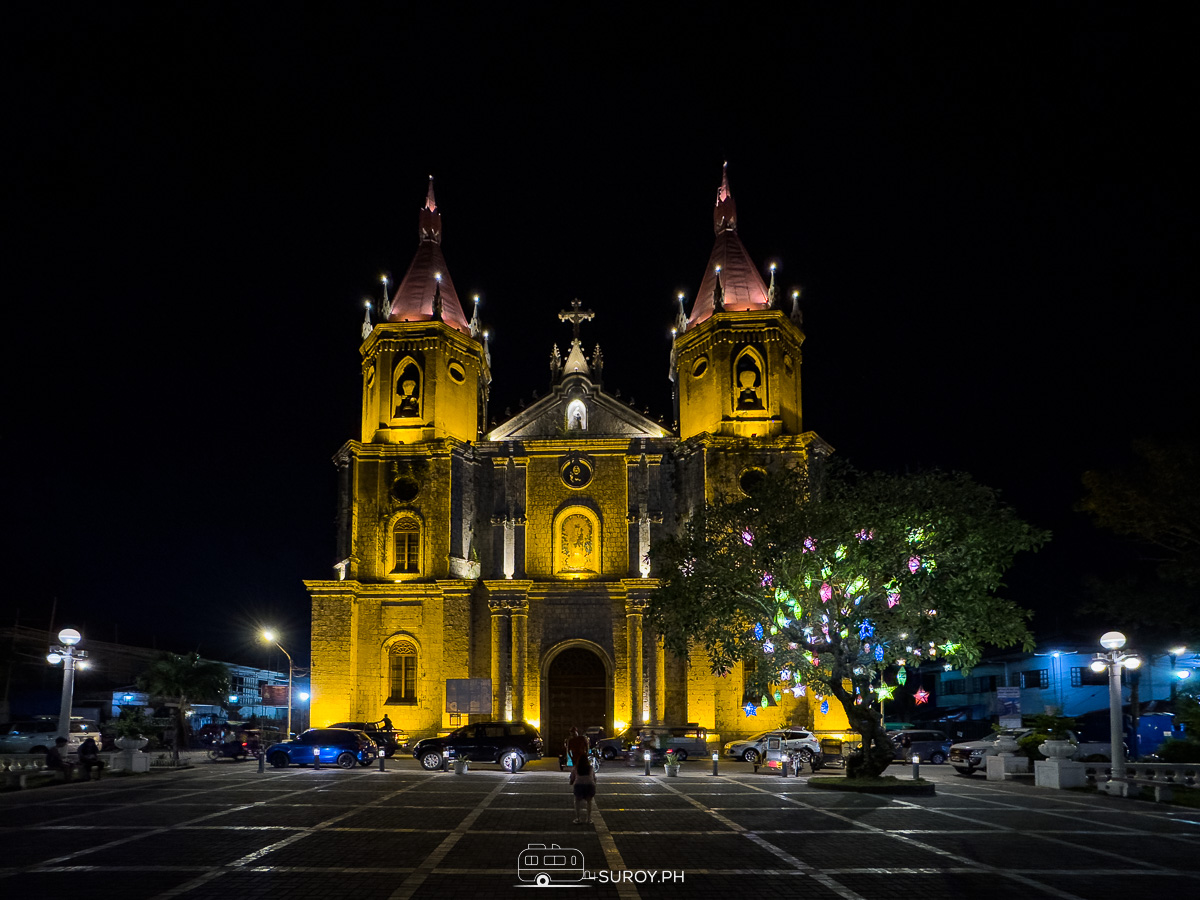
Join the congregation in singing Christmas hymns and engaging in community prayer. If you’re visiting a prominent church like Cebu’s Basilica Minore Del Sto. Niño or Simala Church, take the opportunity to marvel at their stunning decorations that enhance the solemnity of the season.
5. Indulge in the Post-Mass Delights
After Mass, be sure to explore the food stalls outside the church offering Filipino delicacies like “puto bumbong” (purple rice cakes) and “bibingka” (rice cake) paired with a steaming cup of “salabat” (ginger tea) or hot chocolate.
The Culinary Side of Simbang Gabi
What’s Simbang Gabi without its delicious culinary legacy? One of the highlights of this tradition is the post-Mass treat, a delightful display of Filipino delicacies that bring communities together over food.
- Puto Bumbong: Steamed purple rice cakes served with margarine, shredded coconut, and brown sugar.
- Bibingka: A soft rice cake cooked in clay pots lined with banana leaves, topped with salted eggs and coconut.
- Salabat and Hot Chocolate: Warm beverages that complete the festive food experience.
These delicacies are part of what makes Simbang Gabi so special, the fusion of faith, fellowship, and Filipino flavors.
Preserving and Sharing the Tradition
Preserving Simbang Gabi in today’s fast-paced, modern world requires effort. The rise of online services and alternative activities poses challenges, but it’s up to the community to keep the spirit alive.
1. For Families
Pass down the tradition by attending Simbang Gabi as a family and explaining its significance to younger generations. Encourage them to participate actively and even volunteer in choir or church activities.
2. For the Diaspora
Host get-togethers with fellow Filipinos after Mass to foster a sense of belonging. Consider setting up online groups to keep everyone connected and engaged.
3. For Churches
Organize outreach programs, food drives, or parol-making workshops to engage the community, especially the youth.
A Reflection of Faith and Culture
Simbang Gabi is more than a religious observance; it’s a unifying force that brings together faith, culture, and community. Whether you light a parol, attend dawn Masses at the Basilica Minore Del Sto. Niño, or savor a warm serving of bibingka, Simbang Gabi brings the Christmas spirit to life in a way that is uniquely Filipino.
We invite you to experience the beauty of Simbang Gabi for yourself. Share your moments, stories, and favorite Simbang Gabi traditions in the comments!
Also, you may read more about The Philippine December Holidays and what to do and see.
Don’t miss out on one of the Philippines’ most cherished celebrations. Discover the joy of attending Simbang Gabi, and keep this rich tradition alive!
Tag @SuroyPH in your photos and let the world see your Sambaing Gabi experience using the hashtags #SuroyPH and #DisocveryPH!
For more updates don’t forget to follow us on Facebook, Instagram, and TikTok for the latest updates and trending travel posts. Let’s make this Christmas one to remember!