Newsletter Subscribe
Enter your email address below and subscribe to our newsletter


A field guide to Gen Z life in Cebu, from Bisaya code-switching and commutes to food, work, money, humor, music and weekend laag.
CEBU · CULTURE
Ask a Cebuano in their early twenties what laysho means and the answer comes back as fancy, posh, expensive looking, usually with a small laugh attached. The laugh is the interesting part. That word came up through Bisaya gay slang and now it is simply what a 23 year old calls a restaurant with cloth napkins. Ask the same person what puhon means, someday, God willing, and the answer is word for word what their grandmother would say. Cebuano carries both at full speed and nobody finds it strange.
The habit underneath that is switching, and it runs through everything else. Bisaya to English inside one sentence. A jeepney route code to a ride hailing app. A mall study session to a hometown fiesta. A global feed to a punchline that stops working about fifty kilometres outside the province.
In the 2020 census, Cebu Province outside its three highly urbanized cities, plus Cebu City, Lapu-Lapu City and Mandaue City, held 972,315 residents aged 15 to 24. That is not a clean Gen Z count. It is the size of the group currently deciding how Cebu sounds, eats, spends and argues.
What follows is how that plays out across language, transport, food, money, work and music. There is a comparison card near the end, built so readers in Iloilo, Bacolod, Davao, Cagayan de Oro, Baguio, Bicol, Pampanga and Leyte can answer back with their own.
A student in Cebu City, a resort worker in Lapu-Lapu, someone running a small business in the north and a young fisher in an island municipality do not share a day. Even the word Cebuano splits three ways: a resident of Cebu, a speaker of the Cebuano language, or a cultural identity that reaches well past the province.
| Cebu setting | What shapes the day | The comparison question |
|---|---|---|
| Cebu City and Mandaue | Campuses, offices, malls, dense routes, rent and traffic | What is the busiest young-person corridor in your province? |
| Lapu-Lapu City and the wider Mactan Island setting | Airport, tourism, manufacturing zones, bridges and coastal neighborhoods | Does one bridge, port or crossing control your day? |
| Mainland cities and towns | Bus terminals, motorcycles, town centers, family businesses, farms, industry and local campuses | What keeps young people in your hometown, and what makes them leave? |
| Island communities | Ferry schedules, weather, fishing, tourism, signal and close local networks | What timetable matters more than the clock where you live? |
Official statistics report Cebu Province separately from Cebu City, Lapu-Lapu and Mandaue. That is an administrative split, and it doubles as a useful check against letting three cities stand in for an island. Cebu Gen Z covers lives that are intensely urban and lives where the ferry timetable outranks the clock.
Bisaya is usually the base. English is the shortcut for school, work, technology and anything emotionally awkward. Filipino arrives through classes, entertainment, friends and national media. Internet slang floats across all three. What comes out is not broken language. It is a fast system for picking the word that carries the right tone.
A specimen sentence, the kind that moves through a Cebu group chat without anyone slowing down: Bitaw, lowkey kapoy kaayo, but G ra gihapon. Honestly, very tired, but still game. One sentence, three language systems, no confusion.
| Word | Useful first translation | How it works |
|---|---|---|
| bai | Friend, bro, or a familiar form of address | Common well beyond Cebu. Often male-coded, though usage varies by group and tone. |
| bitaw | Actually, that is true, by the way | A flexible pivot for agreeing, correcting or getting back to the point. |
| mao gyud | Exactly, that really is it | Agreement and emphasis. Delivery decides how much force it carries. |
| kuan | That thing, that person, the word I cannot recall | The emergency placeholder that can carry an entire conversation on its own. |
| laag | A trip, outing or wander | The root. Maglaag is the natural verb for going out or wandering. |
| laysho | Fancy, posh, a level above your usual | Came up through Bisaya gay slang and crossed into general Gen Z use. Almost always said with one eyebrow raised. |
| puhon | In the future, God willing | A hopeful future word that also carries patience and religious humility. |
The national census counts Bisaya or Binisaya and Cebuano as separate household-language answers. Everyday Cebu usage runs them together. The gap is a reason to ask people what they call their own language, not a reason to police the label.
None of these words belongs to Gen Z. Gyud, kuan and puhon were in daily use long before the first TikTok account. What changed is the venue: an old word now lands as the final beat of a reaction video, a caption, a work chat or a meme. Laysho shows the traffic runs the other way too. A word can start inside one small community and end up in everybody’s mouth within a decade.

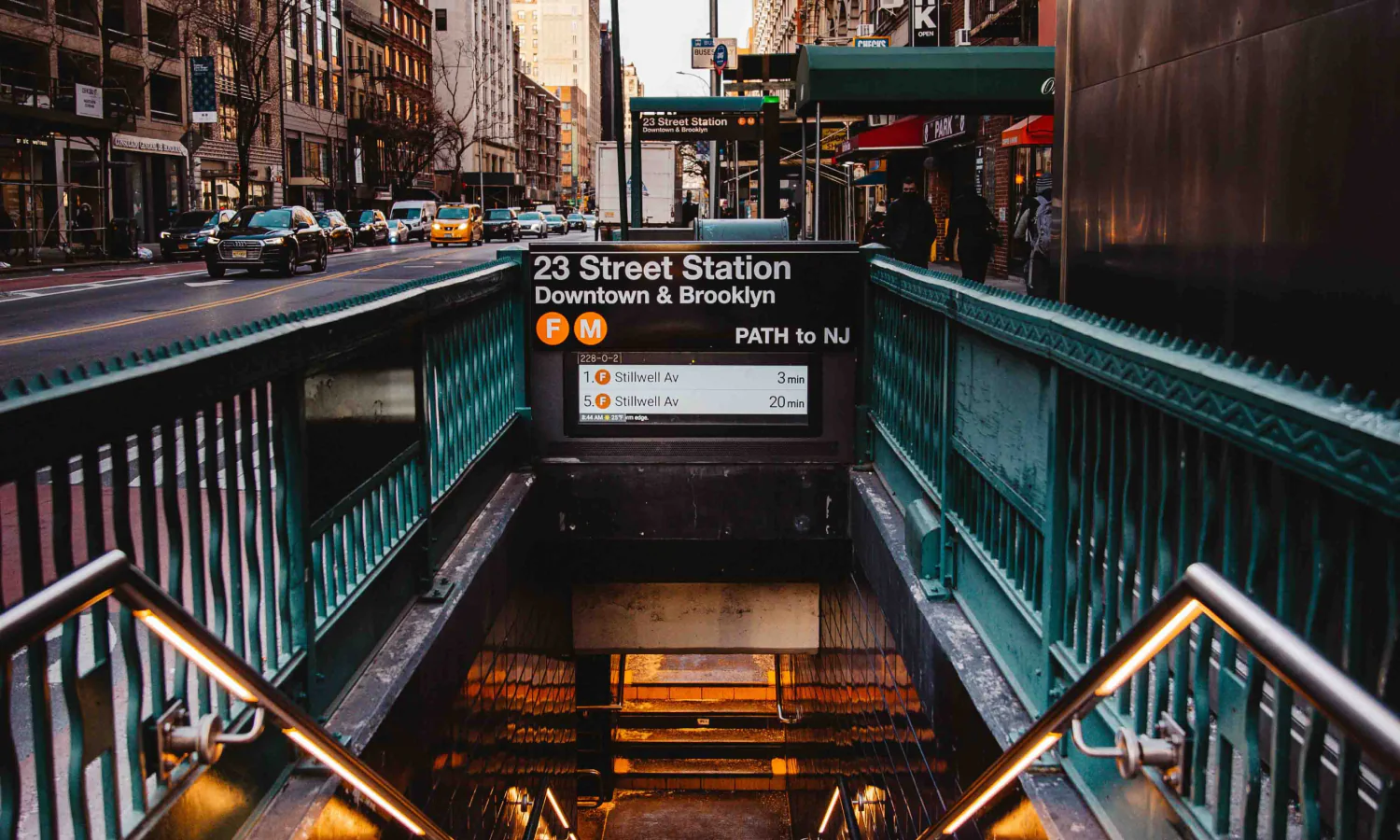
Distance in Cebu is rarely kilometers. It is traffic, transfers, bridge conditions, waiting time and whether the last ride home still runs. A place can sit close on a map and still need a plan.
The skill is multimodal thinking. Gen Z did not invent Cebu’s layered transport system, but maps, ride hailing, group chat updates and cashless booking now sit on top of the older habit of asking the driver, the conductor, or whoever is standing next to you. Technology helps. Local knowledge finishes the trip.
The group chat is also a transport committee.
Someone checks the route. Someone checks the rain. Someone asks whether duol ra, just nearby, means five minutes or one bridge and two transfers.
The unfunny part is what congestion costs. A long commute decides which school, job, date or event is realistic, and it quietly picks the hangout too. The best cafe is often the one with the fewest transfers.
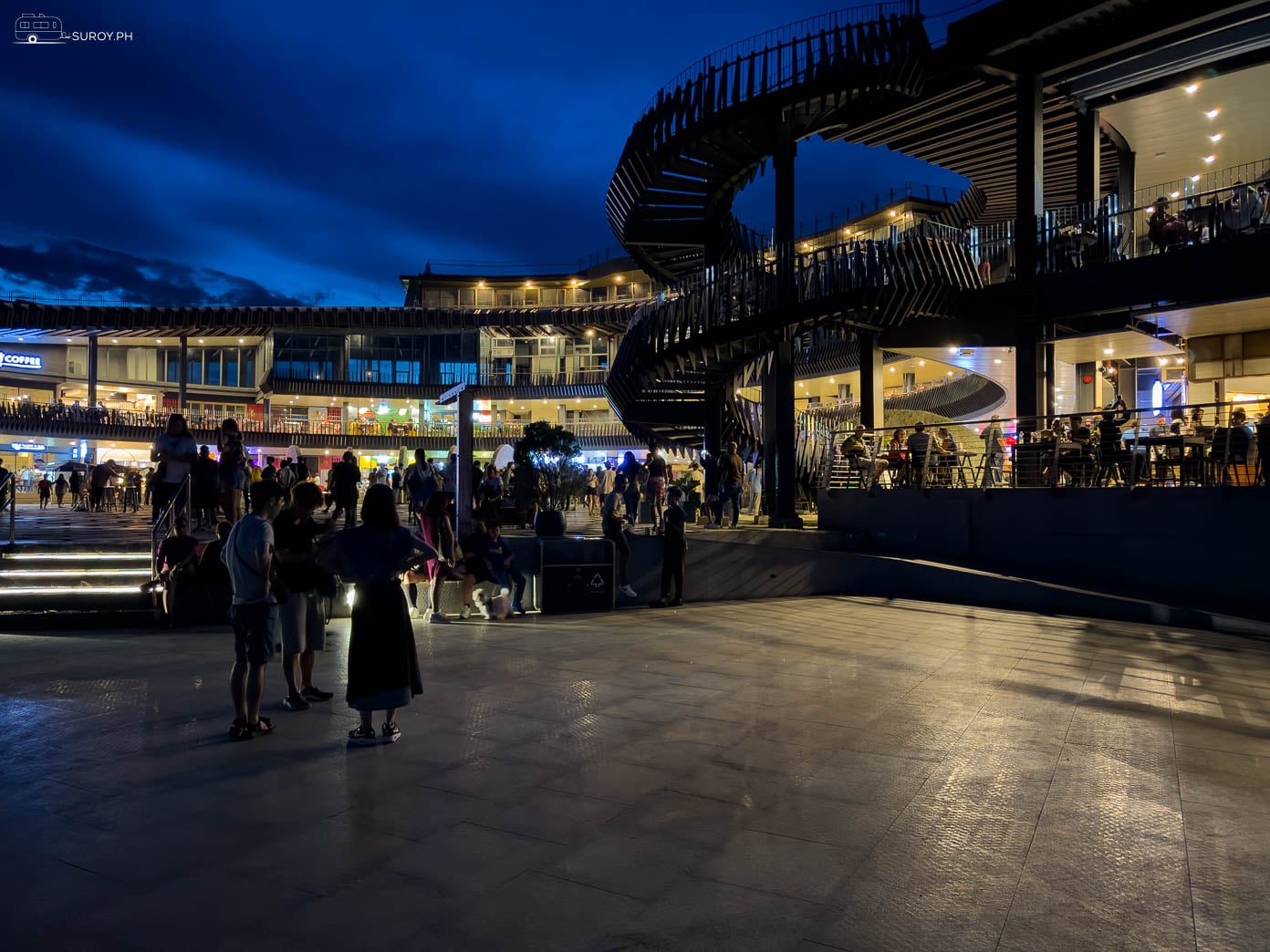
Malls do well in Cebu because they bundle a transport landmark, air conditioning, food, toilets, charging points, cinemas and a meeting spot that needs no directions. A cafe becomes a classroom, an office, a date and a group project headquarters, roughly in that order. A food market such as Sugbo Mercado can hold six different cravings at one table.
The hangout is not automatically commercial. Campuses, barangay courts, church grounds, town plazas, seaside walks, public parks and a friend’s front step still do serious social work. Which one wins depends on budget, municipality and how late the last ride runs.
That last constraint is the one visitors miss. Cebu can offer a mountain road, an urban food crawl, a beach, a dive town, a heritage street or a ferry to an island without anyone leaving the province, and access to all of it is unequal. Fares, entrance fees, equipment, weather, work schedules and the long trip home decide who turns a saved post into an actual Saturday. Tourist Cebu and daily Cebu are different places, and living on an island does not mean spending every weekend on a beach.
Ask your own province the same question: where can five friends meet when nobody wants to host, nobody has a car and nobody wants to spend much?
No, Gen Z Cebuanos do not eat lechon every day. The more revealing plate is the one that solves a problem fast: puso or hanging rice with barbecue, ngohiong between errands, siomai after class, a carinderia plate near work, or four shared orders at a night market.

Then the global menu arrives. Matcha, Korean fried chicken, milk tea and specialty coffee share a feed and a table with food a grandparent would recognize on sight. Neither one deletes the other.
The useful comparison is not which province has the best food. It is which meal gets a student or someone in a first job through a bad day without wrecking the week.
At a Cebu dinner table, past eight in the evening, a woman in her twenties handed over a phone and asked for a clip of herself cutting into a steak. Picturi sako gakaon og steak para laysho kau. Get a shot of me eating steak so it looks properly fancy.
From two seats away that is showing off. It was not. It was the first steak she had ever eaten, and the phone was out because a first is worth keeping. Performance and documentation look identical from across a table. The only way to tell them apart is to already know which one you are watching.
That gap explains most of what gets said about this generation online. A camera at a table reads as vanity if you assume the person has already been to a hundred tables. Plenty of them have not. The first steak, the first flight, the first hotel with a lobby, the first salary that covers a whole month. A generation that grew up holding a camera records the firsts that earlier generations simply ate.
It is also why the reply stays local even when the feed does not. A trend can arrive from Manila, Seoul or Los Angeles before breakfast. Cebu localizes it through language, school references, neighborhood landmarks, traffic jokes and a punchline that times better in Bisaya. English widens the audience. Bisaya buys intimacy. Filipino reaches a national feed. One creator switches between all three depending on whether the post is an explainer, a confession, a joke, a review or a reply. The choice is social, not random.
The phone-first setting is real, with a boundary worth stating. In the 2021 Young Adult Fertility and Sexuality Study, 93.0 percent of Central Visayas youth aged 15 to 24 used the internet and 95.7 percent had smartphone access. That survey used the old regional map, which still included Negros Oriental and Siquijor, so the figures describe the wider region rather than Cebu alone.
A meme template imports cleanly. Its last line still lands local. That is not evidence that Cebuanos are funnier than everyone else. It is evidence that humor gets more precise when the language already knows who is listening.
Central Visayas runs on services. In 2025, services accounted for 64.9 percent of the region’s employed population. Retail, hospitality, tourism, transport, education, health, finance, BPO work and technology all shape the career map around Cebu.
Among Central Visayas youth aged 15 to 24 in 2025, 30.9 percent were in the labor force. Of those, 88.3 percent were employed, while 13.1 percent of all youth in that bracket were not in education, employment or training. Those figures describe participation, not ambition. Many people that age are still studying.
What it adds up to is an option that was far less reliable a generation ago: building a career without moving to Metro Manila first. The night shift rhythm around Cebu IT Park is the visible version of that, not the whole economy. Others aim at remote work, a family enterprise, a creative business, seafaring work, an overseas contract, or a profession that still requires leaving. Pride in Cebu obligates nobody to stay.
Outside the office image, agriculture, fishing, construction, manufacturing, transport and local trade are still young Cebuano work. A complete version of this story has room for the student who codes at night and the one whose schedule follows crops, tides, deliveries or tourists.
Transfers, online banks, QR codes and split-bill screenshots are ordinary tools now. Across the Philippines, digital payments reached 57.4 percent of retail transaction volume in 2024. Cebu sits inside that shift, and a national share is not the same thing as universal access.
Cash still handles the small immediate parts of a day: a fare, a roadside snack, a market purchase, a loading point with weak signal, a store whose QR code has decided not to cooperate. The experienced move is not cashless only. It is knowing when to carry small bills and when a transfer saves the whole group an argument.
Gen Z spending gets reduced to coffee and online shopping jokes. The real budget runs to mobile data, school requirements, family contributions, rent, transport, subscriptions, medicine, and savings toward something filed under puhon.
A young Cebuano can complain about Cebu traffic at lunch and defend the place by dinner. Both are sincere. Local pride here grows out of language, family, food, music, schools, hometowns and the working assumption that Cebu can operate as a major center without waiting for Manila to notice.
The strong version of that is specific rather than superior. Manila is not the only mirror, which is why this guide keeps asking how Iloilo, Davao, Baguio and everywhere else does it. The weak version turns an accent or a regional language into a competition.
Tone does most of the work. Kuyawa can warn that something is dangerous or praise it as impressive. Samoka can carry real annoyance or amused affection. An outsider can learn the dictionary meaning. Relationship and delivery decide which one lands.
Kuan holds the space where a word should be. Puhon holds the space where a date should be. Bisaya hands you both, and most Cebuanos use them before lunch.

Sinulog, town fiestas, family gatherings, faith and community obligations still set Cebu’s calendar. Gen Z participation can be devotional, cultural, creative, social, or all four at once. Not every young Cebuano is religious, and turning up to the same event does not mean turning up for the same reason.
What changed is the format. A dance becomes a short video. A local seller takes orders through a story. This generation is not simply keeping or rejecting tradition. It is editing, posting, arguing with and reusing it.
Bisrock is Cebu’s musical memory, not its current sound. The local map now runs across Vispop, indie, R&B, pop, hip-hop, electronic music, folk and Bisaya rap. Some artists work entirely in Cebuano. Others move between languages, or let one Cebuano phrase carry the hook.
There is a joke going around that Gen Z does not do therapy, they just need one good song. It lands because the price difference is real. An hour with a therapist in Cebu costs more than most people in a first job can repeat every week. A playlist at two in the morning costs nothing and never cancels. A song is not treatment, and nobody here is pretending otherwise. It does explain why music carries so much weight for this generation, and why one Bisaya line in a chorus can outrank the melody around it.
The generational loop runs backwards too. A young listener finds a current artist, follows the influence, and arrives at a song a parent already knows by heart. Heritage does not always come as a lesson. Sometimes it arrives through the algorithm.
Province check: which old hometown song has your generation claimed back, and which young local artist should the rest of the country know?
Copy these into your group chat, your comments, or your next province post. The Cebu column is a starting point, not the official answer.
Iloilo and Bacolod readers can compare language particles, food shorthand and local-language pride. Davao and Cagayan de Oro can compare varieties of Bisaya and city geography without being folded into a Cebu identity. Baguio can compare multilingual life, tourism pressure and the way terrain rewrites the word near. Manila can compare Taglish, mall meeting points and commute-controlled friendships. Every province runs an operating system worth explaining.
| Question | A recognizable Cebu answer | Your province’s answer |
|---|---|---|
| What language carries the best jokes? | Usually Bisaya, sometimes mixed with English or Filipino | What changes when your group gets funny? |
| What local word refuses a clean translation? | puhon, laag, kuan, laysho and plenty more | Give us your word and its real feeling |
| What is the rescue meal? | Puso with barbecue, ngohiong, siomai, or the nearest carinderia answer | What feeds you on a difficult budget day? |
| How do you measure near? | Traffic, transfers, bridges, waiting time or a ferry | What obstacle replaces distance? |
| Where is the default third place? | Mall, cafe, plaza, court, campus, market or seaside | Where can friends meet without a formal plan? |
| What event rearranges the year? | Sinulog, a town fiesta, or both | Which event rearranges your province’s calendar? |
| What first gets filmed? | The first steak, the first flight, the first hotel with a lobby | What did your generation record the first time? |
| What work feels possible without moving away? | Services, tourism, retail, technology, trade, transport, enterprise and local industry | Which sector gives young people a reason to stay? |
| What stays stubbornly cash-only? | Some fares, small shops, markets and weak-signal moments | Where does the QR code stop helping? |
| What do outsiders reduce your place to? | Lechon, Sinulog, beaches, or one Cebu City stereotype | What part of your province is always missing? |
| What do you complain about with affection? | Traffic is a strong Cebu contender | Name the local frustration you still defend |
The signature is not a slang word, a food trend or an app. It is the capacity to hold several worlds open at once: local language and global media, family obligation and personal ambition, a QR code and a pocket of emergency coins, hometown pride and the freedom to leave.
Other provinces will recognize pieces of that. Good. The point was never to prove Cebu is uniquely young or uniquely Filipino. The point is to be specific enough that somewhere else can answer with its own version.
So, taga-asa ka? Where are you from? Take the comparison card to your province group chat and replace Cebu’s answers with yours.
There is no universal cutoff. This guide uses the late 1990s through the early 2010s as a practical frame, with most examples concerning older Gen Z in their late teens and twenties. Generational boundaries are lenses for spotting change, not exact categories, and differences inside one generation are often larger than the differences between generations.
Fancy, posh, expensive looking. It came up through Bisaya gay slang and crossed into general Gen Z use, and it is almost always delivered with a little irony. Calling a restaurant laysho kaayo is a compliment with one eyebrow raised.
In ordinary Cebu conversation people use the terms interchangeably for the local language. Linguistic and census categories can be more specific, and Bisaya can carry wider regional meanings. Follow the term a person uses for their own language.
No. Fluency and preferred language vary by household, school, location, disability, migration history and social group. Some are strongest in Cebuano, some in English or Filipino, and plenty switch among all three.
Yes, once you know what the words mean and have listened to how locals use them. Start with a greeting, a thank you and one useful word. Avoid performing an accent, and avoid forcing bai into every sentence.