
Hinulugang Taktak, Antipolo: The Waterfall, the Cleanup and What It Costs
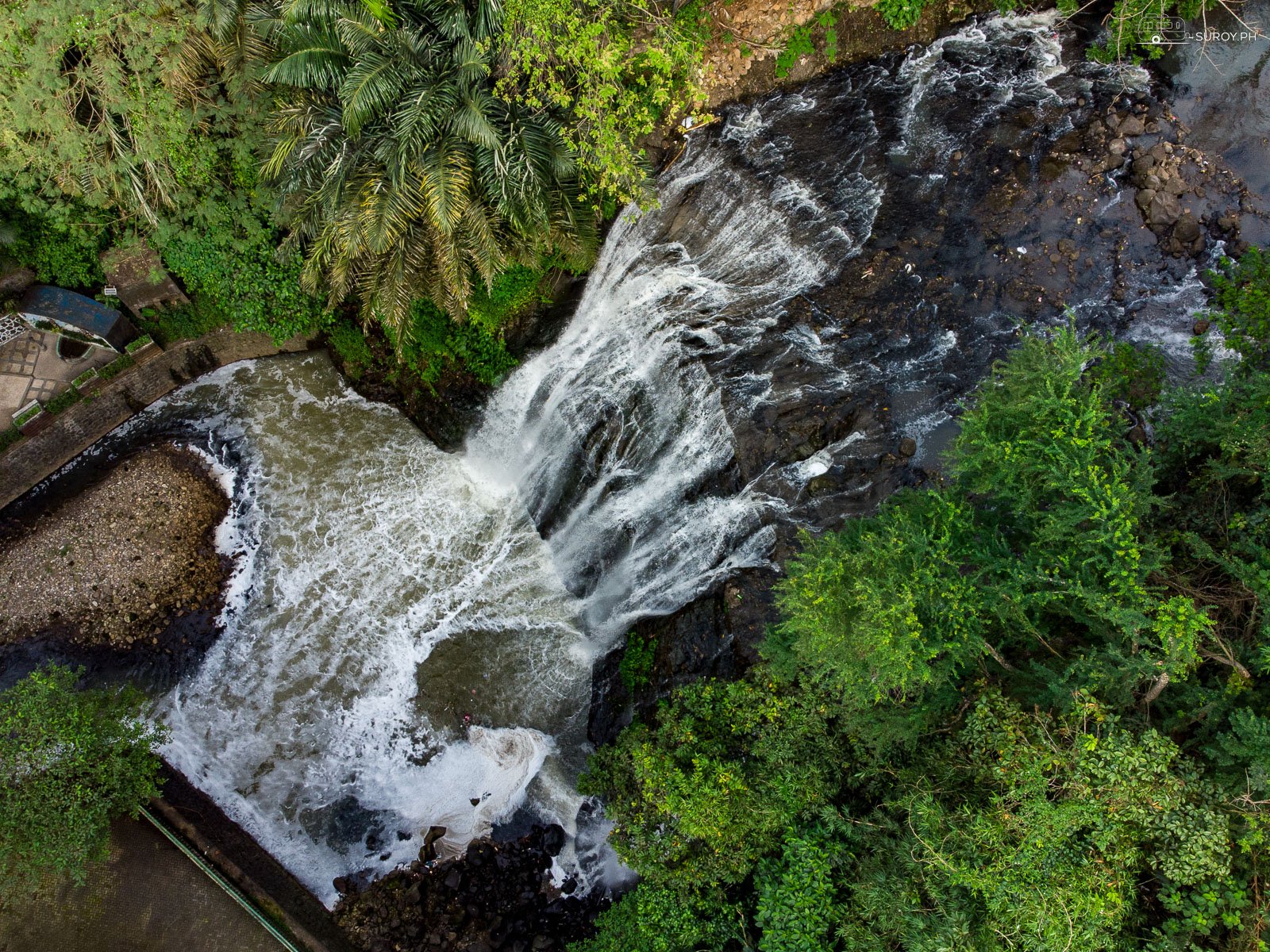
Hinulugang Taktak is a 21.5 meter waterfall in the middle of Antipolo, a protected landscape the size of a few city blocks, and one of the oldest attempts in the country to save a polluted river. Go to look, not to swim: the falls and river are off limits for bathing, and the swimming pool on site is separate. Call ahead for the current fee, which sources disagree on.
Hinulugang Taktak · Taktak Road, Barangay Dela Paz, Antipolo · 14.5947° N, 121.1574° E · Checked 28 October 2026

The name
Hinulugang Taktak means where the bell was dropped. The story says townspeople threw a church bell into the falls because its ringing was too loud. The falls are 21.5 meters high and about 25.8 meters wide.
How it became a protected area
This is the part the old brochures get wrong. It was never declared a National Historical Shrine.
Hinulugang Taktak · Antipolo
Seven decades of saving a waterfall
Pick a year.
Recreation area
1952
Proclamation No. 330 of 15 July 1952 set aside 0.85 hectares around the falls as a recreation area under the town of Antipolo.
National park
1990
Republic Act No. 6964, signed 18 September 1990, made it the Hinulugan Taktak National Park under the DENR, with the Department of Tourism and Rizal province.
Protected landscape
2000
Proclamation No. 412 of 17 November 2000 declared about 3.2 hectares the Hinulugang Taktak Protected Landscape. The 2018 ENIPAS law kept it on the list of legislated protected areas.
Reopened
2020
After about a year of rehabilitation it reopened on 13 February 2020 with the spider web platform, hanging canopy bridges and a climbing wall.
Sewage plant
2025
On 17 November 2025 Manila Water and the city opened the Hinulugang Taktak Sewage Treatment Plant, up to 16 million liters a day, to keep wastewater out of the river. No water test results had been published as of October 2026.
Checked October 28, 2026.
- 1952. Proclamation No. 330 reserved 0.85 hectares as a recreation area.
- 1990. Republic Act No. 6964, signed 18 September, made it the Hinulugan Taktak National Park under the DENR.
- 2000. Proclamation No. 412, dated 17 November, declared about 3.2 hectares the Hinulugang Taktak Protected Landscape.
- 2018. The ENIPAS law, RA 11038, kept it among the legislated protected areas.
The cleanup
The river has carried the town’s wastewater since the 1960s. Rehabilitation drives in 1991, 2009 and 2013 came and went. After about a year of work it reopened on 13 February 2020 with the spider web platform, hanging canopy bridges and a climbing wall. On 17 November 2025 Manila Water and the city opened the Hinulugang Taktak Sewage Treatment Plant, built to treat up to 16 million liters a day so less of it reaches the river. No water quality results had been published as of October 2026.


What you can do there
- Look at the falls from the viewing areas and bridges. This is the main event.
- Walk the canopy bridges and the spider web platform, added in 2020.
- Swim in the pool, which is separate from the river. Not in the falls.
- Picnic at the tables and cottages, rented by the hour in past fee schedules.
Entrance fee and hours
No current official figure could be found. The DENR fee schedule from April 2017 set entrance at ₱30 for locals, ₱15 for students and ₱100 for foreigners, with ₱50 for the pool, and a 2020 report still quoted ₱30. A 2024 photo feature said entry was free. Call the park or the Antipolo City tourism office before you go, and carry small bills either way.
How to get to Hinulugang Taktak
It is on Taktak Road in Barangay Dela Paz, off Sumulong Highway. From Metro Manila, the usual commute is LRT-2 to Antipolo station and a jeepney or tricycle up into the city. By car, take Marcos Highway or Ortigas Avenue Extension to Antipolo.

Antipolo pairs well with the Antipolo Cathedral, the pilgrim church of Our Lady of Peace and Good Voyage, a few minutes away. Further out in Rizal, Wawa Dam in Rodriguez is the other water day trip.
A river still being brought back, seventy years in. Pag-amping means take care, and it fits.
Suroy Wear · Statement Series

Pag-amping.
Take care. Of the places, and of each other. Made in the Philippines. ₱999.
Wear the story
Frequently asked questions
Can you swim at Hinulugang Taktak?
Not in the falls or the river, which are closed to bathing because of pollution. There is a separate swimming pool on site.
How much is the entrance fee at Hinulugang Taktak?
No current official figure was found. The 2017 DENR schedule set ₱30 for locals and ₱100 for foreigners, and a 2024 report said entry was free. Call ahead.
Is Hinulugang Taktak a national park?
It was made a national park by RA 6964 in 1990 and declared a Protected Landscape by Proclamation No. 412 in 2000.
How tall is Hinulugang Taktak?
About 21.5 meters high and 25.8 meters wide.
What does Hinulugang Taktak mean?
Where the bell was dropped, after a story about a loud church bell thrown into the falls.
Legal history from Proclamation 330 (1952), RA 6964 (1990) and Proclamation 412 (2000). Fees from the DENR schedule (April 2017) and later reports. Checked 28 October 2026.