

Banaue Rice Terraces: What Is UNESCO, Fees, Guides and the Bus from Manila
The Banaue Rice Terraces are worth the overnight bus, but know what you are looking at. The famous view from the Banaue viewpoint is a National Cultural Treasure, not the UNESCO site; the inscribed terraces within Banaue are at Batad and Bangaan, a jeep ride and a walk away. Overnight buses from Manila take about 9 hours, about ₱900 to ₱1,033 in 2025 and 2026 listings, and the town charges a ₱20 environmental fee.
Banaue · Ifugao · 16.900° N, 121.050° E (approximate)
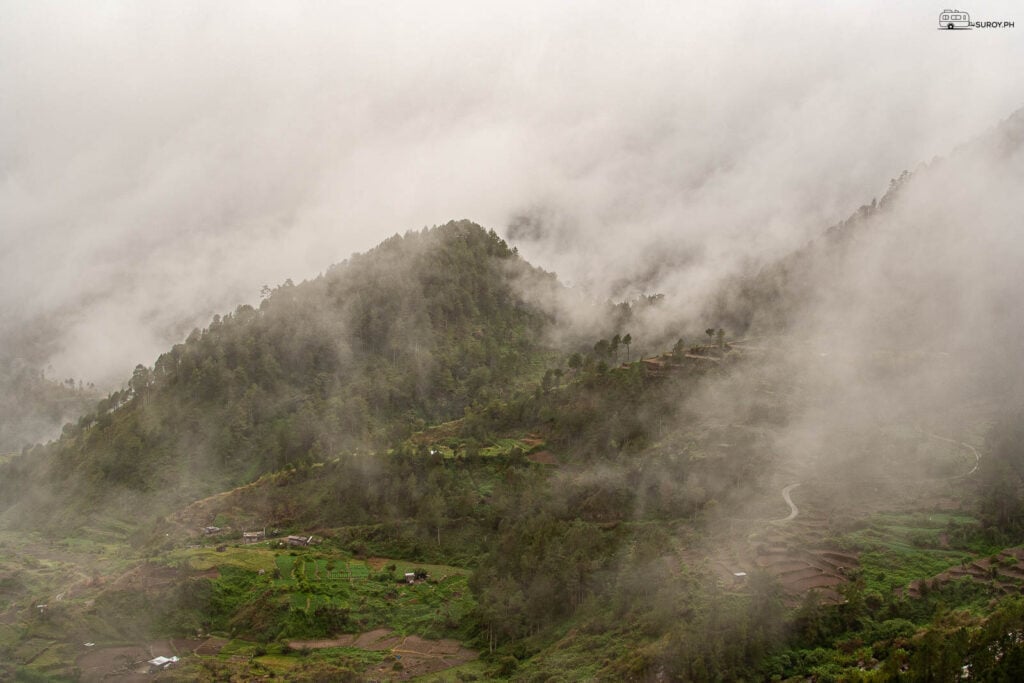
Banaue · Ifugao
What you are looking at
Tap a tab.
Batad and Bangaan, not the viewpoint
UNESCO
The Rice Terraces of the Philippine Cordilleras were inscribed in 1995 as five clusters: Batad and Bangaan in Banaue, Mayoyao, Hungduan and Nagacadan in Kiangan. The terraces seen from the Banaue viewpoint are not among them; they are a National Cultural Treasure under Presidential Decree No. 260 of 1973. The site was on UNESCO’s danger list from 2001 to 2012.
2,000 years, or a few hundred
Age
The traditional figure is 2,000 years. Archaeologists of the Ifugao Archaeological Project, reported in 2018, found wet-rice farming spreading only a few hundred years ago, clearly by about 1650.
₱20 fee, guides from ₱200
Fees and guides
The town’s posted ordinance sets a ₱20 environmental fee; register at the Municipal Tourism Center. Its posted guide rates run from ₱200 for viewpoint sightseeing to ₱900 for Batad and ₱1,200 with Tappiya Falls.
About 9 hours
The bus
Overnight buses from Cubao or Sampaloc take about 8 to 9 hours: Coda Lines at ₱910 to ₱1,033 in September 2026 listings, Ohayami at ₱910 to ₱958 and Dangwa at ₱900 in June 2025. Fuel surcharges can push fares up.
Ask which stage
When
Traditional tinawon rice is planted once a year. In Batad the harvest falls around June to July; the 2024 Tinawon festival ran 27 to 29 June. Ask the tourism office what stage the paddies are in before you book.
Checked 31 October 2026.
What is UNESCO-listed and what is not
UNESCO inscribed the Rice Terraces of the Philippine Cordilleras in 1995 as five clusters: Batad and Bangaan in Banaue, Mayoyao Central, Hungduan and Nagacadan in Kiangan. The site was on the List of World Heritage in Danger from 2001 to 2012. The terraces seen from the Banaue viewpoint near the town center were reportedly left out because modern buildings around them lowered their integrity; they are protected as a National Cultural Treasure under Presidential Decree 260 of 1973. Locally they are called the eighth wonder of the world, which is a popular name, not a title.


How old are the terraces?
Traditionally they are said to be 2,000 years old, a figure that goes back to the anthropologist H. Otley Beyer. The Ifugao Archaeological Project, started in 2012, dates wet-rice terracing much later: rice remains in terrace sediment about 675 years old, and clear wet-rice evidence from around 1650. Both figures are in circulation; the recent archaeology is the better evidence.
Fees and guides
The town’s posted ordinance sets a ₱20 environmental fee per person; register at the Municipal Tourism Center on arrival, where accredited guides are also booked. Batad collects its own fee at the path into the village, listed at ₱50 on Wikivoyage in February 2025. The Banaue Tour Guides Organization’s posted rates, undated, read on the town site on 31 October 2026:
| Tour | Guide rate |
|---|---|
| Banaue Viewpoint sightseeing | ₱200 |
| Viewpoint, museum and trade center | ₱500 |
| Banaue Viewpoint trek | ₱700 |
| Batad Rice Terraces | ₱900 |
| Batad with Tappiya Falls | ₱1,200 |
| Batad to Bangaan trek | ₱1,200 |
| Kinakin to Cambulo to Batad | ₱1,500 a day |
Confirm the rates and the fee at the tourism center; neither page carries a date.
Batad
Batad is the amphitheater of terraces most people picture. Jeepneys run from Banaue to the Saddle, the road end, in the morning and one around 3 PM, reported at ₱200 for tourists in May 2024; the tourism office can also arrange a tricycle. From the Saddle it is about 30 minutes or more downhill to the village, and about 30 minutes more to Tappiya Falls, where the pools are swimmable. The town lists a two-day trek with a night in a village guesthouse.


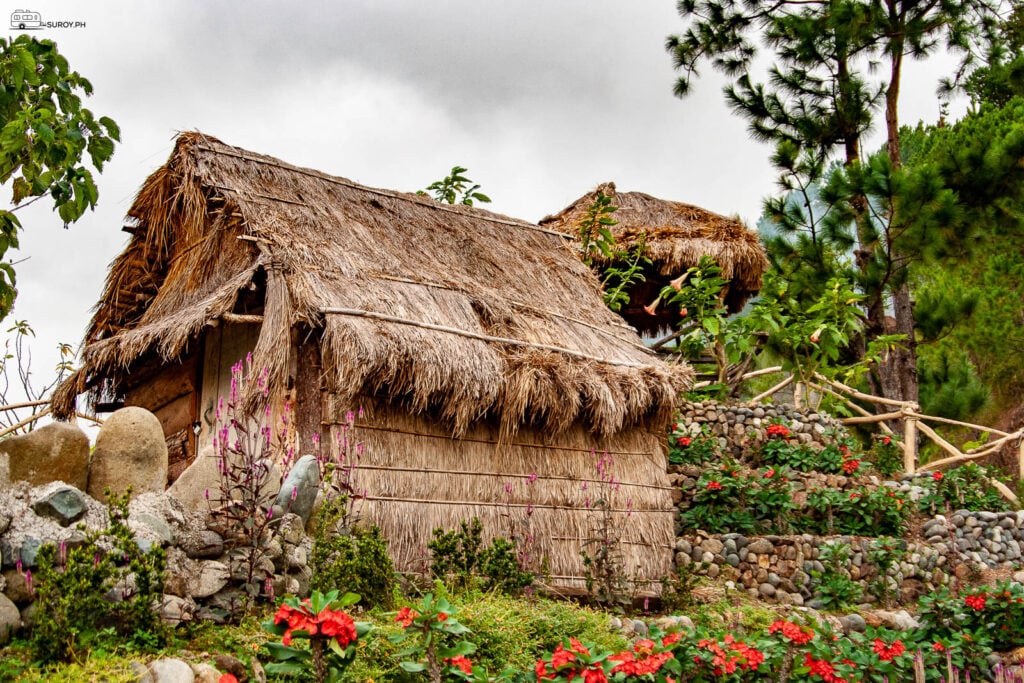
When to go
Traditional tinawon rice is planted once a year, on a cycle of 8 to 10 months. In Batad the harvest falls around June to July; the Tinawon festival there ran 27 to 29 June 2024. The green months come before that, and flooded “mirror” paddies around the turn of the year. Timing shifts by cluster and by year, so ask the tourism office what stage the paddies are in before you book. The rains run roughly June to October.


Getting there from Manila
Overnight buses: Coda Lines from the HM Transport terminal in Cubao, evening departures, ₱910 to ₱1,033 in a September 2026 listing; Ohayami Trans, around 10 PM, about ₱910 to ₱958, with sources disagreeing on its terminal; and Florida Lines (Dangwa) from Cubao around 8 PM, ₱900 in June 2025. They take about 8 to 9 hours. Book with the operator and confirm the terminal.
Our old caption on the “highest point of the Philippine highway system” sign, 7,400 feet, was out of date: that marker stands on the Halsema Highway in Benguet, and since 2019 the highest point has been in Tinoc, Ifugao, at 2,428 m.

Sagada and Bomod-ok Falls are a separate trip of a few hours northwest; Baguio is covered in the Baguio travel guide.
Terraces built by hand, wall by wall. The Banaue Rice Terraces tee carries them.
Suroy Wear · Island Series

Frequently asked questions
Is the Banaue viewpoint a UNESCO World Heritage Site?
No. The inscribed clusters in Banaue are Batad and Bangaan. The viewpoint terraces are a National Cultural Treasure.
How much is the Banaue environmental fee?
₱20 per person under the town’s ordinance. Batad collects its own fee.
How long is the bus from Manila to Banaue?
About 8 to 9 hours overnight, roughly ₱900 to ₱1,033 in 2025 and 2026 listings.
How old are the Banaue Rice Terraces?
Traditionally 2,000 years; archaeology dates wet-rice terracing to around 1650.
How much is a guide in Banaue?
₱200 for viewpoint sightseeing to ₱1,500 a day for the long Batad trek, per the posted rates.
Photographs by Suroy.ph, frames filed June 2022. Checked 31 October 2026.